
 EN
EN
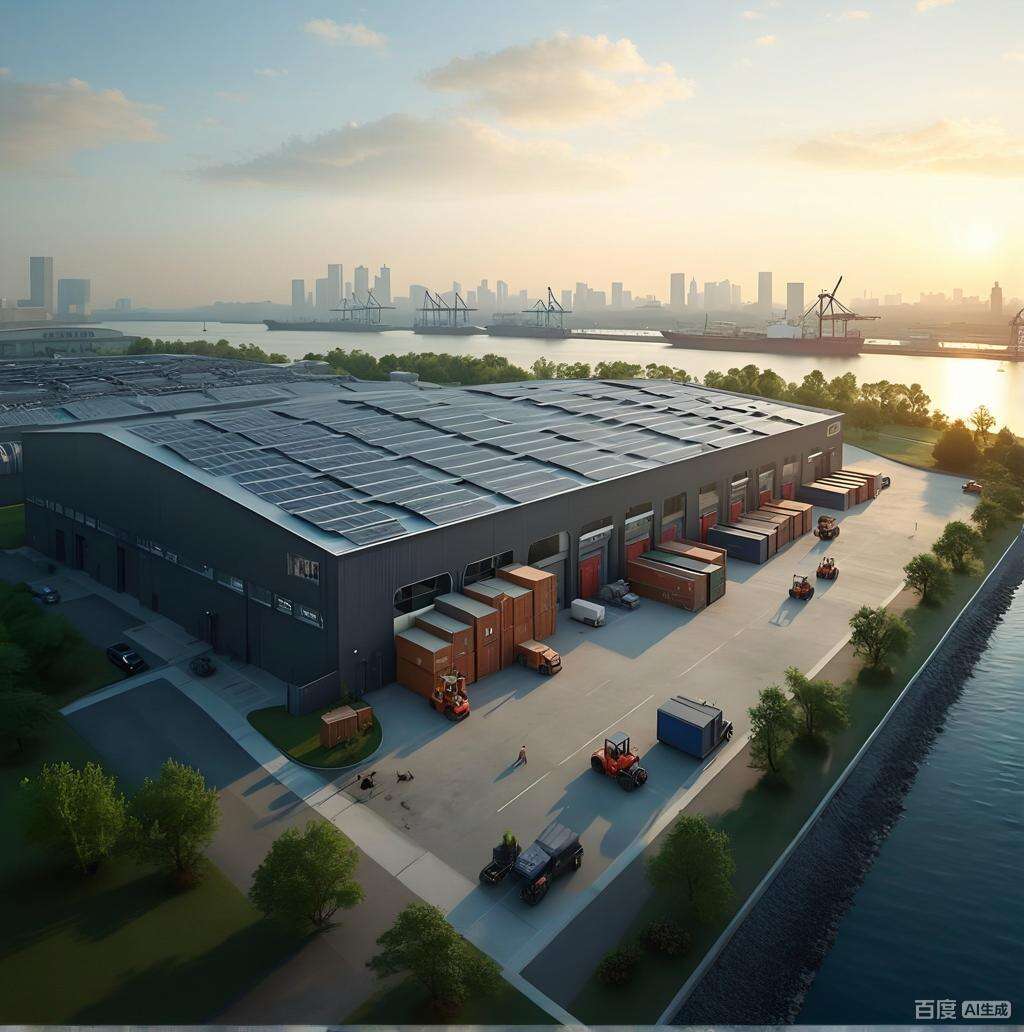
Keeping a galvanized steel structure in good shape when it is right next to the ocean takes a bit of know how. Salt air, high humidity, and constant wind can all team up to challenge even the best protective coatings. The good news is that with a few consistent habits, you can enjoy decades of reliable service without constant headaches. The goal is not complicated but it does require paying attention to a handful of practical details that many owners overlook.
Fresh Water Rinsing Is Your First Line of Defense
It sounds almost too simple but regularly hosing down your steelwork with clean fresh water can make a world of difference. In coastal areas, salt particles settle on every surface and when they mix with humidity they create a concentrated brine that slowly eats away at zinc coatings. Rinsing washes those salts away before they have a chance to do any real harm. This matters even more for parts of the building that sit under eaves or overhangs where rain never reaches, because those sheltered spots do not get natural washing from the weather. A quick soak with a standard garden hose every few months is often enough, though structures very close to the surf line might benefit from a monthly rinse. Just keep the pressure moderate so you are not blasting away the protective patina that naturally forms on the coating over time.
Inspections That Catch Trouble Before It Spreads
Walking around your building twice a year with a flashlight and a notepad is one of the smartest investments you can make. You are looking for the early warning signs that the zinc layer has been compromised. White rust, which appears as a powdery white residue, tells you the zinc is sacrificing itself as designed and it is time to pay closer attention. Red rust means the steel underneath is now exposed and needs immediate action. Pay special attention to places where water tends to pool, around bolt heads, along weld seams, and anywhere two different metals meet. These are the spots where corrosion almost always gets a foothold first. In a marine environment where salt spray is constant, bumping up inspections to every quarter is a sensible precaution. Catching a small problem now always beats dealing with a structural repair later.
Why Duplex Coating Systems Outperform in Salt Air
A single layer of zinc provides solid protection, but combining it with a suitable paint system creates something that lasts far longer than either layer on its own. This approach, often called a duplex system, puts a tough coating on top of the galvanized surface so that the zinc underneath stays sealed off from salt and moisture. According to industry data, a duplex system can deliver maintenance free protection for more than one and a half times the combined life of the paint and the galvanizing layers individually. In practice that means instead of touching up paint every few years you might go a couple of decades before needing major attention. When selecting paint, stick with formulations that are specifically rated for marine environments, because standard exterior paints simply are not built to handle the chloride levels found near the ocean.
Smart Drainage and Ventilation Habits
Corrosion accelerates dramatically when moisture gets trapped against steel surfaces with nowhere to go. A galvanized steel structure that drains well and breathes freely will consistently outperform one where water collects in pockets and corners. This starts at the design stage, making sure that all horizontal surfaces have a slight slope, that gaps and crevices are sealed or designed to shed water, and that air can circulate freely around columns and connections. But even on an existing building, small adjustments help. Keep gutters and downspouts clear so water flows away from the building instead of splashing back onto the steel. Trim back vegetation that holds dampness against the walls. Inside the building, make sure humidity has a way out, especially if you are storing materials that give off moisture. Dry steel is happy steel and the difference in coating life between a well ventilated building and a damp enclosed one can be dramatic.
Fixing Small Damage Before It Becomes a Big Bill
Sooner or later a scratch, a scrape, or a chip will appear in the coating. Maybe a forklift grazed a column or a bolt was tightened after galvanizing. Ignoring it is tempting because one small mark does not look like a crisis. But that tiny exposed patch is where salt and moisture will concentrate their attack, and once rust gains a foothold it can creep under the surrounding coating much faster than you would expect. The repair process is straightforward: clean the damaged area thoroughly to remove any rust or salt residue, then apply a zinc rich paint or cold galvanizing spray to restore the sacrificial protection. Look for repair products that contain at least eighty percent zinc by weight and aim to build up a coating thickness that matches the original galvanizing as closely as you can. Doing these touch ups promptly keeps a minor cosmetic flaw from turning into a structural liability.
Working with a Partner Who Understands Coastal Demands
Choosing the right supplier matters especially when the building is destined for a harsh marine location. Not all steel components are galvanized to the same standard, and coating thicknesses that work fine inland may not hold up when the sea is a stone’s throw away. Huaying engineers consider these environmental factors from the very start of a project, matching zinc coating weights and connection details to the specific challenges of coastal sites. When the right materials meet a sensible maintenance routine, the result is a galvanized steel structure that delivers reliable performance year after year without demanding constant attention or surprise repair costs.