
 EN
EN
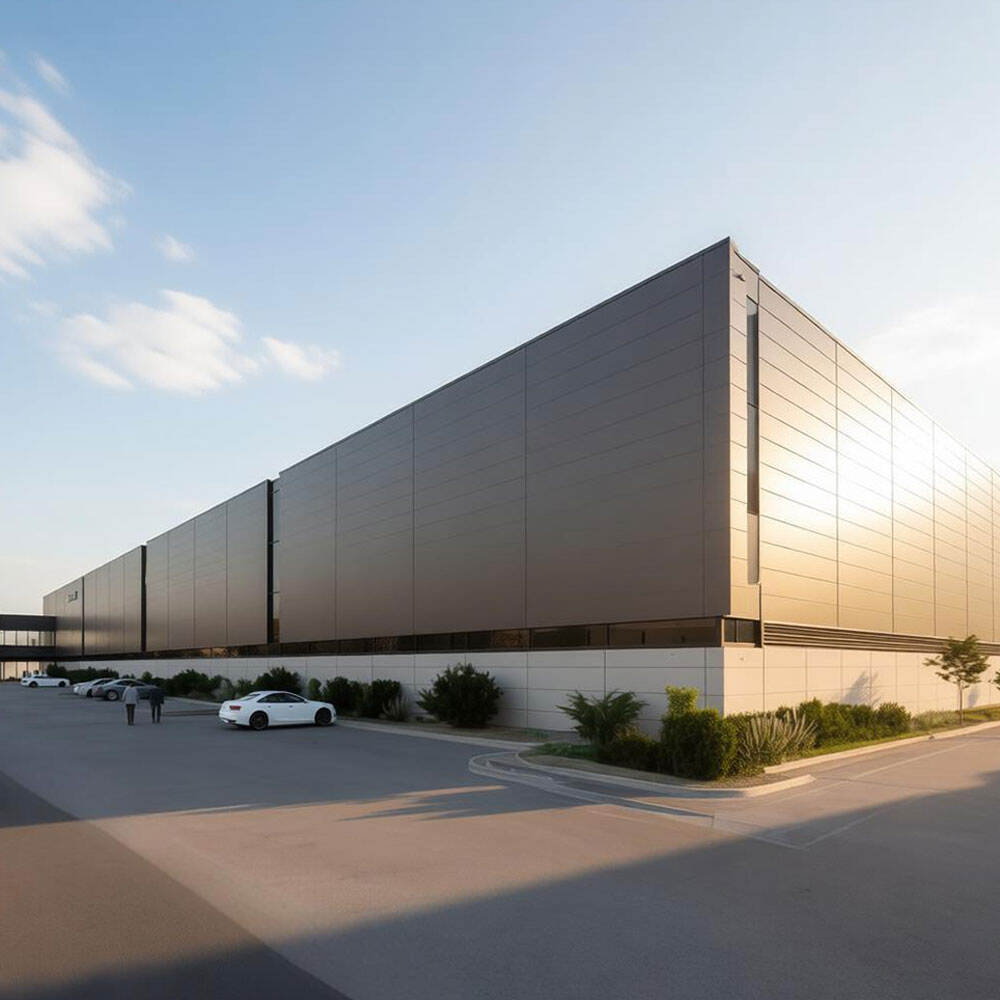
Industrial Requirements: Why Standard Prefabricated Steel Structure Buildings Fall Short
Aligning structural design with industrial use cases: warehouses, manufacturing plants, and heavy-load zones
Most industrial operations need custom built structures since off-the-shelf steel buildings just don't cut it for their specific needs. Take warehouses for instance they often need massive open spaces over 30 meters wide to fit those dense storage racks. Manufacturing floors have different challenges altogether requiring special foundations that absorb vibrations so delicate equipment works properly. And then there are areas like foundries or production lines where the floors must hold weights above 5,000 kg per square meter something three times what regular commercial buildings can handle. According to recent industry data from last year around two thirds of all retrofit jobs happen because the original building simply couldn't support things like overhead cranes or proper material transport systems. Facilities that skip this specialized planning usually end up stuck with major workflow issues and expensive modifications down the road typically within about five years of operation.
Non-negotiable technical specs for prefabricated steel structure buildings: clear span, roof pitch, R-value insulation, and column-free clearance
Four technical specifications determine industrial viability:
| Specification | Industrial Minimum | Standard Building Deficiency |
|---|---|---|
| Clear Span | ≥40 meters | Typically 15–25 meters |
| Roof Pitch | 1:4–1:6 slope | Flatter 1:12–1:20 slopes |
| Insulation (R-value) | R-30+ | R-10–R-15 |
| Column-Free Clearance | 100% operational | Interior support columns |
Steep roof pitches prevent snow accumulation in cold climates, while inadequate R-values cause condensation issues in 43% of uninsulated facilities, per thermal efficiency studies. Column-free clearance is the most critical factor—industrial operations lose 19% efficiency per interior column due to workflow disruptions. These benchmarks are non-negotiable for tender compliance.
Tender-Ready Procurement: From RFP Interpretation to Vendor Qualification
Translating tender clauses into precise prefabricated steel structure building specifications
The technical language in industrial tender documents can be really tricky to translate properly into actual specs that work on site. Get something wrong here and it could cost a fortune later on when bids get rejected. A recent look at procurement data from last year found around 4 out of 10 companies got knocked out because their specs didn't match what was actually required. Take something like seismic zone 4 compliance for example. Contractors need to know exactly what that means in practice - things like making sure structures can handle winds up to 150 mph according to ASCE 7-22 standards, building seismic moment frames suitable for Site Class D soils, and specifying steel thicknesses within tight tolerances (+/- 0.5 mm). When these details are clear upfront, everyone knows where they stand regarding load capacities, fire protection levels, and all those pesky environmental rules that come with every project.
Selecting vendors with engineering accreditation, ISO-certified fabrication, and industrial project track record
Vetting manufacturers requires scrutiny across three dimensions:
| Qualification Criteria | Verification Method | Industry Benchmark |
|---|---|---|
| Engineering Expertise | Active PE (Professional Engineer) stamps on designs | Mandatory for structural drawings |
| Fabrication Quality | ISO 9001-certified production audit trails | ≥95% weld defect-free rate |
| Project Experience | Commission certificates for comparable industrial facilities | 5+ buildings >50,000 sq ft |
Prioritize suppliers providing third-party validated test reports for seismic connections and corrosion resistance. Leading manufacturers maintain digital project portfolios demonstrating successful installations in environments such as automated warehouses and heavy-machinery plants—offering tangible evidence of domain-specific execution capability.
Compliance & Site Readiness: Preventing Disqualification in Industrial Tender Submissions
Mandatory regulatory alignment: IBC/ASCE 7 load codes, fire-rated assemblies, and zoning for prefabricated steel structure buildings
Meeting building code requirements is absolutely essential for winning industrial tenders. Prefab steel structures need to follow both IBC guidelines and ASCE 7 standards when calculating structural loads. These rules help ensure buildings can withstand all sorts of environmental stresses like strong winds, earthquakes, and heavy snowfall. For fire safety, manufacturers must install proper fire-rated components throughout their facilities. Walls, doors, and insulation systems should hold up for at least 90 minutes in case of a fire emergency within production areas. Zoning regulations also play a big role. Contractors need to check local requirements regarding property setbacks, maximum building heights, and where hazardous materials can be stored on site. Many bids get rejected simply because they miss these basic requirements. Municipal officials report turning down around one third of industrial proposals due to code violations, as noted in last year's Building Standards Quarterly. Getting third party certifications from recognized testing labs adds credibility to submissions and makes it easier to pass inspections later on.
Avoiding critical site-readiness failures: unverified soil reports, delayed utility coordination, and non-expandable foundations
When site prep gets overlooked, bids often get rejected despite having technically sound designs. The problem is usually buried in those unverified soil reports. What happens? Foundations fail because nobody considered the need for special pilings in unstable ground conditions that standard blueprints just don't cover. Then there's the whole mess with utility companies. Getting approvals from water, gas, and electric providers takes forever, causing massive scheduling headaches. According to Construction Efficiency Report data from last year, about three out of four industrial projects end up delayed by at least three months due to this exact issue. And let's not forget about those non-expandable foundations. They basically lock companies into fixed capacities, which goes against what most tenders actually require for future growth. To stay ahead of these problems, contractors should run proper geotechnical surveys right from the bidding stage. Designing foundations that can be expanded later with bolt-on additions makes much more sense in the long run than building something that becomes obsolete within years.
FAQ Section
What are the main shortcomings of standard prefabricated steel structure buildings for industrial use?
Standard prefabricated steel buildings often fail to meet industrial needs because they lack the customized design required for heavy-load zones, vibration-sensitive machinery, and expansive spaces needed in warehouses and manufacturing plants.
Why is column-free clearance important in industrial buildings?
Column-free clearance maximizes operational efficiency by removing obstacles that disrupt workflow. Each interior column can lead to a 19% reduction in operational efficiency.
How important is compliance with IBC and ASCE 7 standards for prefabricated steel structures?
Compliance is crucial, as these standards ensure that buildings can withstand various environmental stresses such as earthquakes, strong winds, and heavy snowfall, which are essential for safe and functional industrial operations.
What should be considered when selecting a vendor for prefabricated steel structure projects?
You should consider vendor engineering expertise, ISO-certified fabrication quality, and a solid track record of successful industrial projects, including verification through third-party test reports for crucial specifications.
Table of Contents
- Industrial Requirements: Why Standard Prefabricated Steel Structure Buildings Fall Short
- Tender-Ready Procurement: From RFP Interpretation to Vendor Qualification
- Compliance & Site Readiness: Preventing Disqualification in Industrial Tender Submissions
-
FAQ Section
- What are the main shortcomings of standard prefabricated steel structure buildings for industrial use?
- Why is column-free clearance important in industrial buildings?
- How important is compliance with IBC and ASCE 7 standards for prefabricated steel structures?
- What should be considered when selecting a vendor for prefabricated steel structure projects?