
 EN
EN
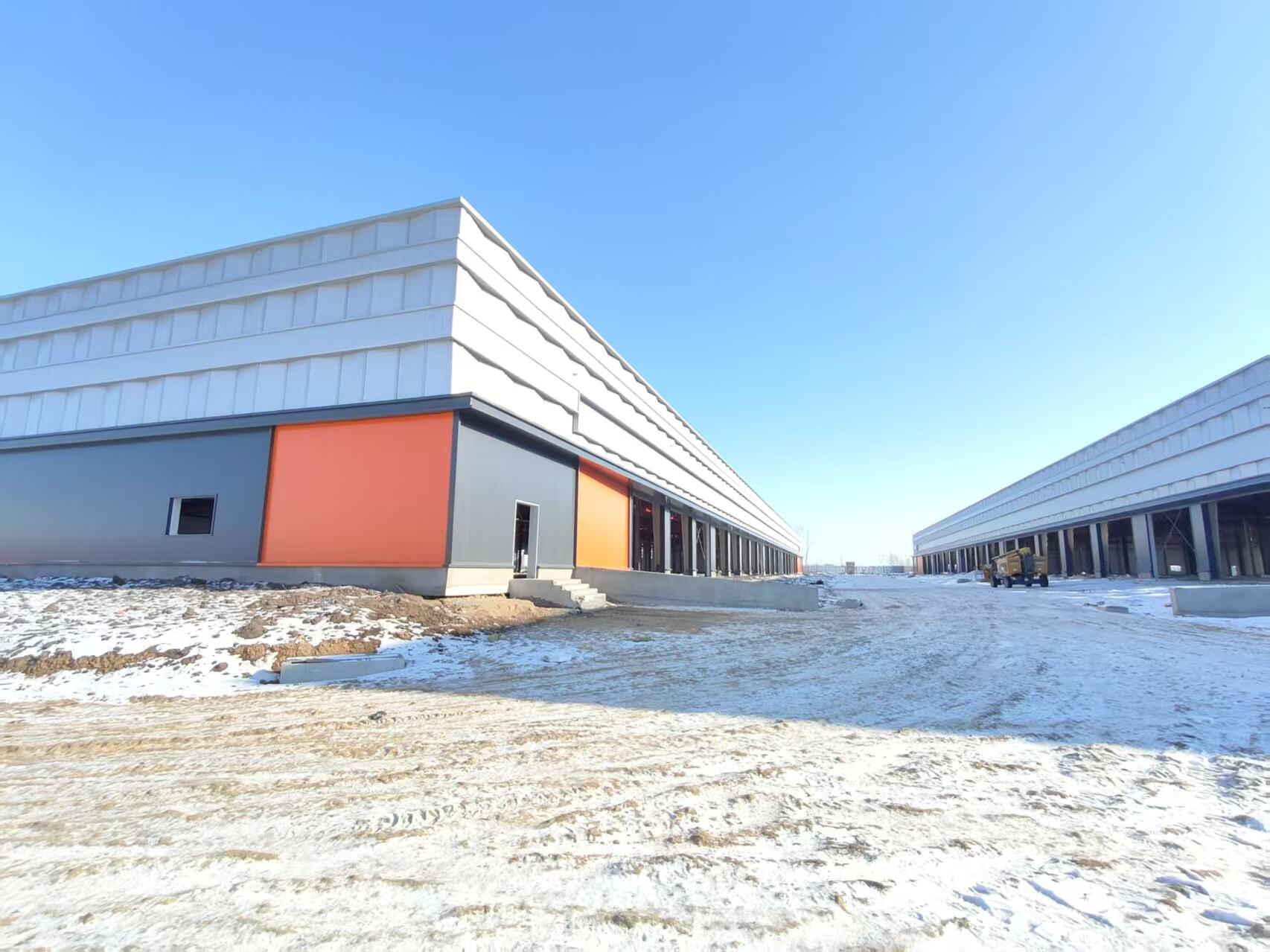
Inherent Strength and Material Selection for Metal Building Structures
Why Steel Is Ideal for Extreme Weather Applications
When it comes to strength compared to weight, steel beats out old school building materials by somewhere around half to three quarters in situations where buildings need to hold heavy loads. That makes steel pretty much ideal for places with tough weather conditions. Wood and concrete just don't cut it when there's lots of moisture going on because they tend to expand and contract over time, which is a big problem in areas that get flooded regularly. Steel has another trick up its sleeve too - it can bend without breaking when winds get really fierce. This helps avoid those total collapses we sometimes see with stiffer materials during tornado season, according to research from NIST back in 2022.
High-Strength, Low-Alloy (HSLA) Steels in Modern Construction
High Strength Low Alloy (HSLA) steels mix copper, nickel and chromium together to get those impressive yield strengths around 70 to 80 ksi, yet they still weigh about 25 percent less than regular carbon steel. The lighter weight makes all sorts of cost saving possibilities when designing buildings that need to meet those tough ASCE 7-22 wind standards without having to beef up every component just for safety's sake. Take a look at what's happening along hurricane prone coasts these days. More than half the new industrial buildings going up there are specifying HSLA steel as their main framing material because it simply works better in those extreme weather conditions.
Choosing the Right Steel Grade: ASTM A588, A653, and Galvalume Coatings
| Grade | Yield Strength | Best For | Coating Durability |
|---|---|---|---|
| ASTM A588 | 50 ksi | Coastal corrosion | 75+ years |
| ASTM A653 (G90) | 80 ksi | Snow load regions | 40–50 years |
| Galvalume | 60 ksi | Industrial chemical exposure | 60+ years |
Galvalume-coated steel demonstrates 6x better salt spray resistance than standard galvanized coatings per ASTM B117 testing.
Matching Material Properties to Environmental Challenges
Many coastal facilities go with ASTM A588 weathering steel because it forms those protective rust layers that actually help slow down corrosion over time. When we look at areas where there's lots of snow falling, the A653 grade matters a lot for keeping roofs intact. Some research from the University of Michigan back in 2023 found that buildings made with steel frames could handle snow loads three times what they were designed for compared to wooden ones. Chemical plant operators tend to prefer Galvalume coatings since they're made from an aluminum-zinc mix that stands up better against acid rain. The best results come when these coatings are applied thicker than 20 mils though, which gives them extra protection against harsh environments.
Protective Coatings That Enhance Durability of Metal Building Structures
Today's metal buildings depend heavily on special protective coatings to hold up against tough weather conditions. Zinc, epoxy resins, and PVDF coatings are particularly effective at fighting corrosion problems. What these coatings do essentially is serve as a kind of shield between the steel structure and environmental threats like rainwater, salty air near coasts, and all sorts of industrial chemicals in the atmosphere. According to recent industry testing data from around 2024 timeframe, steel panels with proper coating maintained about 92% of their original strength even after sitting out in coastal areas for 25 years straight. That's roughly twice what happens with regular uncoated steel exposed to similar conditions over the same period.
Zinc, Epoxy, and PVDF: Advanced Coatings for Harsh Climates
Zinc-rich primers provide galvanic protection in humid environments, while epoxy coatings excel in chemical resistance for industrial areas. PVDF stands out in UV-heavy climates, maintaining color stability and flexibility at temperatures from -40°F to 350°F (-40°C to 177°C).
Galvanized vs. Galvalume: Long-Term Corrosion Resistance Compared
| Characteristic | Galvanized (Zinc) | Galvalume (Zinc-Aluminum) |
|---|---|---|
| Salt Spray Resistance | 500–1,000 hours | 1,500–2,500 hours |
| Thermal Stability | Degrades > 390°F (199°C) | Stable to 750°F (399°C) |
| Ideal Climate | Moderate rainfall | Coastal/industrial |
Coating Performance in Coastal and Industrial Environments
Galvalume demonstrates superior performance in marine zones, with its aluminum content forming a stable oxide layer that resists salt penetration. Epoxy-polyester hybrids dominate industrial settings, neutralizing acidic pollutants through chemical inertness. Recent innovations include self-healing coatings that automatically seal minor scratches using microencapsulated polymers.
Structural Resilience Against Wind, Snow, and Rain Loads
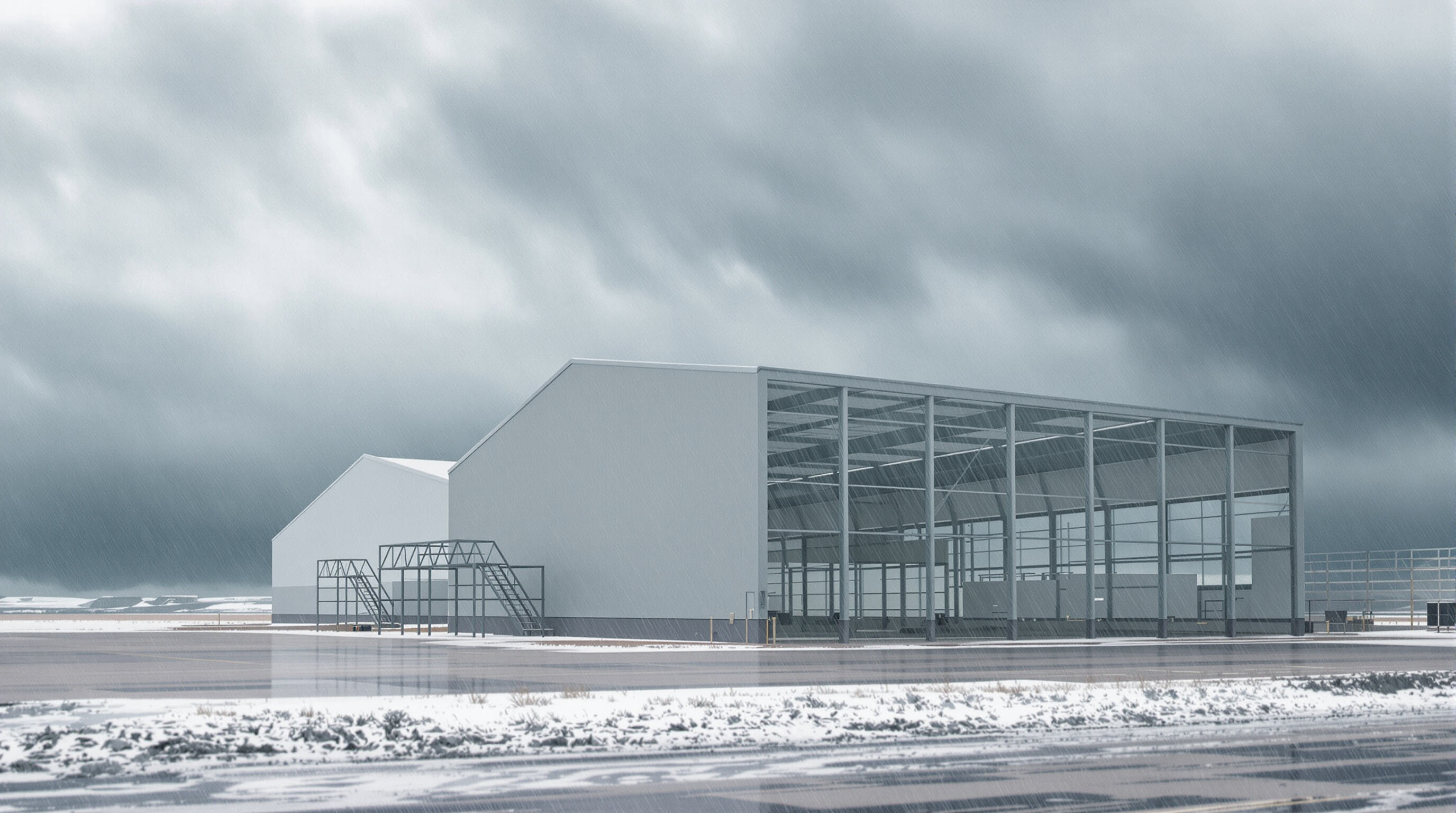
Metal building structures demonstrate unmatched weather resilience through precision-engineered load management systems designed for specific environmental threats.
Engineering for High Winds: Standards in Hurricane-Prone Areas
Coastal installations follow ASCE 7-22 wind load standards using reinforced connections and aerodynamic profiles. A 2023 analysis of hurricane-resistant steel frameworks revealed buildings with knee-braced frames and tension-controlled anchor bolts withstand wind speeds exceeding 150 MPH by redistributing forces through structural components.
Snow Load Management and Roof Design in Cold Climates
Sloped roofs (minimum 4:12 pitch) combined with continuous steel purlins prevent dangerous accumulation. Structural simulations show these configurations support snow loads up to 70 PSF–critical in regions like New England averaging 180" annual snowfall.
Case Study: Metal Buildings During the 2021 Texas Winter Storm
When historic freezing rain and snow collapsed 23% of conventional structures, metal buildings with standing-seam roofs and double-channel gutters maintained integrity under 22 PSF ice loads, demonstrating steel's superior cold-weather performance.
Design Innovations: Tapered Beams and Rigid Frames for Load Distribution
Single-slope tapered beams reduce wind uplift forces by 28% through gradual stress transfer (2023 Steel Design Institute report), while welded rigid frames achieve 360-degree load sharing across structural members.
Fire and Seismic Performance of Metal Building Structures
Steel’s Response to Wildfire and High-Temperature Exposure
Steel holds up pretty well when temps hit around 1,200 degrees Fahrenheit, making it a real asset for areas where wildfires are common. Regular building materials catch fire and spread flames, but steel just stands there without catching. That said, if steel sits in intense heat for too long, it starts losing some of its ability to hold weight. Recent research from Mackiewicz and team back in 2023 showed something interesting about steel roofs specifically they still have about 60% of their original strength even when things get as hot as 1,022°F. Builders now incorporate various tricks to protect against this issue. Protective coatings and clever compartment designs help slow down how fast heat moves into important parts of the structure. Take intumescent coatings for example these actually swell up when exposed to high heat, creating an extra layer of insulation that keeps buildings standing longer during actual fires.
Earthquake Resilience: Flexibility and Stability of Steel Frames
The ductile nature of steel means buildings made from this material can actually soak up earthquake energy before something breaks apart completely. When engineers design these structures, they often include rigid frames along with special connections between beams and columns that spread out the shaking force across the whole building instead of letting it concentrate in one spot. Recent tests back in 2024 showed steel connections can handle more than 7% movement between floors during quakes, way beyond what most codes require in areas prone to earthquakes. Modern building techniques now commonly feature parts designed specifically to dissipate energy during tremors, such as those fancy buckling restrained braces we see in taller buildings. According to research published by Fang and others last year, steel remains the go to material worldwide for constructing buildings that stand up to earthquakes because it offers just the right mix of being both strong enough to hold together and flexible enough to bend without breaking when the ground moves underneath.
Long-Term Maintenance and Lifecycle Expectancy in Harsh Conditions
Expected Service Life of Metal Buildings in Extreme Weather
Properly engineered metal building structures demonstrate remarkable longevity, with an average service life of 40–60 years in harsh environments according to ASTM International studies (2023). Key durability factors include:
- Material selection: Galvalume®-coated steel retains 95% rust resistance after 30 years in coastal zones
- Load engineering: Structures designed to 170 mph wind ratings show ₠1% deformation after 20 years
- Climate adaptation: Arctic-grade coatings prevent spalling at -40°F, while desert formulations reflect 89% of UV radiation
Recent research confirms that buildings combining ASTM A653 steel with zinc-aluminum coatings require 37% less frequent repairs than uncoated alternatives in hurricane-prone regions.
Essential Maintenance Practices for Joints and Corrosion Points
Three critical maintenance protocols optimize metal building durability:
- Biannual inspections of roof seams and bolt connections using ultrasonic thickness gauges
- Coating renewal every 12–15 years on high-wear areas like eaves and gutters
- Drainage optimization to prevent standing water, which accelerates corrosion by 400%
Field data shows that buildings implementing these practices maintained 92% structural integrity after extreme weather events, versus 68% for unmaintained structures (Ponemon Institute 2023).
Balancing Low-Maintenance Claims With Real-World Durability
While manufacturers often advertise "maintenance-free" metal buildings, real-world performance data reveals:
- Coastal environments require sealant replacement every 8–10 years
- Industrial zones demand quarterly debris removal from roof surfaces
- Heavy snowfall regions need annual fastener torque verification
A 2023 survey of 1,200 facility managers found that buildings receiving tailored maintenance programs lasted 2.3x longer than those following generic schedules, proving proactive care directly impacts lifecycle costs.
FAQ
What makes steel a good choice for building in areas with extreme weather?
Steel is ideal for regions with extreme weather due to its high strength-to-weight ratio, flexibility against high winds, and resistance to moisture-related expansion and contraction.
How does Galvalume coating compare to galvanized steel?
Galvalume coating offers better salt spray resistance and higher thermal stability compared to traditional galvanized steel, making it well-suited for coastal and industrial environments.
What maintenance is required for metal buildings?
Metal buildings require regular maintenance such as biannual inspections of joints and coatings, coating renewal every 12–15 years, and drainage optimization to prevent corrosion.
How long can metal buildings last in harsh climates?
Metal buildings can have a service life of 40–60 years in extreme climates if properly maintained and engineered, according to ASTM International studies.
Table of Contents
- Inherent Strength and Material Selection for Metal Building Structures
- Protective Coatings That Enhance Durability of Metal Building Structures
- Structural Resilience Against Wind, Snow, and Rain Loads
- Fire and Seismic Performance of Metal Building Structures
- Long-Term Maintenance and Lifecycle Expectancy in Harsh Conditions
- FAQ