
 EN
EN
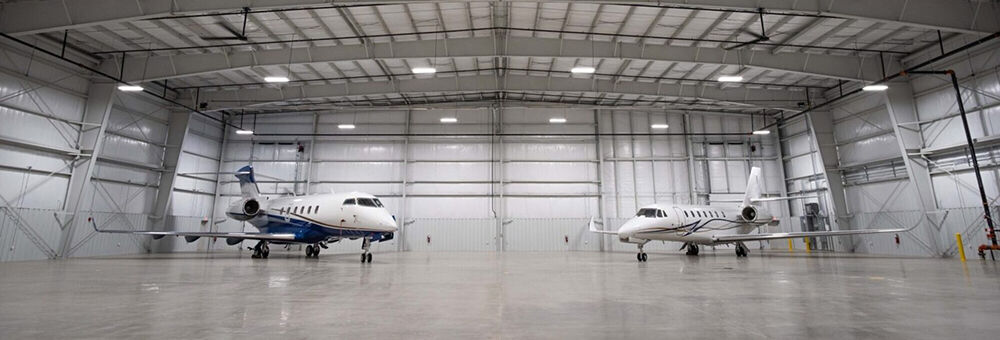
Regulatory Compliance for Aircraft Hangar Safety
FAA and EASA Standards for Aircraft Maintenance Hangars
Both the FAA and EASA have strict rules about keeping aircraft hangars safe, looking at things like how strong the building is, whether there's enough fresh air flowing through, and if they're protected against lightning strikes. A recent look at industry data from last year shows something interesting too. Out of all the problems found during hangar checks, almost four out of five come down to not testing the electrical systems properly. That really highlights why it's so important to stick with those regular checkups that match what the airworthiness directives say.
OSHA Guidelines for Hazardous Materials, Fire, and Electrical Safety
OSHA’s 29 CFR 1910 regulations govern hazardous material storage, fire extinguisher placement (maximum 75 feet between units), and arc-flash boundaries near electrical panels. Updated requirements mandate vapor detection systems in hangars storing jet fuels, with alarms activated at 20% of the lower explosive limit (LEL) to prevent ignition risks.
NFPA 409: Fire Protection Standards for Group I—IV Aircraft Hangars
NFPA 409 classifies hangars by size and fuel capacity, dictating fire protection measures accordingly. Group II hangars (10,000—40,000 sq ft) must feature 2-hour fire-rated walls and pre-action sprinkler systems. Hydrant valve clearance zones are required to extend at least 15 feet from all aircraft parking areas to ensure rapid emergency access.
International Compliance: IATA and Cross-Border Operational Requirements
Hangars servicing international carriers must comply with IATA’s Operational Safety Audit (IOSA), which mandates standardized de-icing fluid containment, emergency lighting visible up to 100 feet, and multilingual safety signage in cross-border work environments to support global operational consistency.
Fire Suppression Systems and Emergency Preparedness in Aircraft Hangars
Design and Installation of Fire Protection Systems and Extinguisher Requirements
Aircraft hangar fire suppression systems need to meet both FAA and EASA regulations, which typically means installing those automatic foam water deluge systems in Group I through IV facilities. The building materials themselves have got to hold up against extreme heat too they need to withstand temperatures over 1800 degrees Fahrenheit (about 982 Celsius) for at least two whole hours straight. When it comes to fire extinguishers, there's this 75 foot rule everyone follows. Class B extinguishers should be placed close to where fuels are stored, while the Class C ones need to be no more than 50 feet away from any electrical equipment. Makes sense really, since nobody wants to deal with a fire spreading unchecked while scrambling to find the right type of extinguisher.
Emergency Evacuation Plans, Drills, and Integration of Fire Lanes
Regular evacuation drills every three months can cut down on how long it takes people to respond in emergencies. The National Fire Protection Association found that these drills actually reduced reaction times by around 40% in their 2023 report. When it comes to fire safety around aircraft hangars, keeping those access roads clear matters a lot too. They need at least 25 feet between the wall and the road edge, plus proper lighting so pilots and ground crews can see them even when daylight fades. Some airports have started implementing these geofence technology systems, and what's interesting is that they've seen aircraft damage drop by nearly two thirds during actual emergency situations compared to facilities without such alerts.
Case Study: Effective Fire Response in a Group II Aircraft Hangar
A massive hydraulic fluid fire broke out in a huge 120,000 square foot hangar somewhere in Texas back in 2022. Fortunately, the building's safety systems kicked in fast, putting out the flames completely within just two minutes thanks to those infrared detectors spotting the fire early and triggering the foam system. Everyone inside got out safely too - all 85 workers made it out in less than three and a quarter minutes. Even though the flames kept burning for almost half an hour after that, somehow the building itself stayed intact. This incident really shows what good automatic suppression systems can do when combined with regular training drills for staff members.
Hazard Identification, Risk Assessment, and Control Measures
Systematic Risk Assessments and Common Hazards in Aircraft Hangars
Risk assessments are pretty much essential for aircraft hangars dealing with all sorts of dangers from fuel vapors floating around to electrical problems and accidents involving heavy machinery. Most places follow a standard approach that starts with spotting potential hazards, figuring out how often they might happen, looking at what damage could occur if something goes wrong, ranking which risks matter most, then coming up with ways to reduce those risks. Hangar managers typically rely on equipment like infrared cameras to spot heat issues and gas detectors to catch dangerous fumes building up. These tools become even more critical when working with bigger aircraft models classified as Group III or IV since they store so much fuel and have complex systems that can pose greater threats if not properly monitored.
Hazardous Communication (HazCom) and Chemical Safety Management
The HazCom 2012 regulations from OSHA set specific rules for dealing with substances like jet fuel, hydraulic fluids, and those de-icing chemicals we all know are a pain to work with. Workers need access to Safety Data Sheets at all times, and any container storing more than 55 gallons of something that catches fire easily has got to be labeled properly. Training sessions aren't just paperwork either they actually teach people what to do if there's a spill, how to handle air circulation in tight spaces, and why mixing certain chemicals can cause problems especially important stuff when technicians are working on planes made from composite materials these days.
Lockout/Tagout Procedures for Safe Maintenance Operations
According to OSHA regulation 29 CFR 1910.147, proper Lockout/Tagout (LOTO) procedures stop equipment from accidentally turning on while maintenance work is being done. Before any repair gets started, techs need to shut down all power sources first. That means locking out hydraulics which can run at pressures as high as 3,000 PSI, plus cutting power to those auxiliary power unit circuits too. For bigger jobs such as complete engine rebuilds where several different kinds of energy might be involved, many shops now implement extra lock points and start using digital checklists to verify everything is properly secured. Hangar managers find they need to run these annual safety checks more frequently than before, especially since so many aircraft manufacturers are rolling out new hybrid engines that combine traditional fuel systems with electric components.
Personal Protective Equipment and Fall Protection in Hangar Environments
Aircraft hangar operations demand comprehensive personal protective equipment (PPE) and fall protection systems to mitigate risks from chemical exposure, falls, and machinery. Proper implementation reduces incident rates while ensuring adherence to OSHA 1910.132 and ANSI/ASSE Z359 standards.
Essential PPE for Aircraft Hangar Workers: From Gloves to Flame-Resistant Gear
Workers handling composite materials should wear cut-resistant gloves rated ANSI/ISEA 105 Level 4. NFPA 2113-certified flame-resistant clothing protects against flash fires near fuel systems, while anti-static footwear with ASTM F2413-18 metatarsal guards ensures safety during brake servicing.
Respiratory Protection Against Fumes, Dust, and Particulates
NIOSH-approved N95 respirators provide effective filtration during sanding operations, while powered air-purifying respirators (PAPRs) are required for spray painting with isocyanate-based coatings. Quarterly fit testing and scheduled cartridge replacement ensure ongoing protection from hydrocarbon fumes and fine particulates.
Fall Protection Systems for Elevated Work Platforms and Overhead Tasks
Fall arrest systems combining full-body harnesses and self-retracting lanyards protect crews working on wing surfaces or overhead structures. Anchorage points must support 5,000 pounds of force per OSHA 1926.502, and guardrails with midrails and toeboards are mandatory on all platforms exceeding 4 feet in height.
Safety Culture, Training, and Continuous Compliance Monitoring
A strong safety culture in aircraft hangars depends on consistent training, clear communication, and proactive monitoring. Facilities following OSHA 29 CFR 1910 and 1926 standards experience 47% fewer incidents over three years (BLS 2023), demonstrating the impact of embedding safety into daily operations.
Safety Training Programs and Frequency for Hangar Personnel
OSHA requires initial and annual refresher training on fire safety, chemical handling, and equipment use. Leading organizations conduct biannual sessions led by Certified Safety Professionals (CSPs) to address emerging risks such as lithium-ion battery fires and advanced composite material hazards.
Clear Signage, Communication, and Pedestrian Safety in High-Risk Zones
High-visibility floor markings, ANSI-compliant signs (e.g., “No Smoking Near Fuel Zones”), and dedicated pedestrian walkways reduce collision risks by 62% in busy hangars. Real-time intercoms and color-coded zone alerts enhance awareness during aircraft movement and high-risk operations.
Incident Reporting, Inspection Logs, and Digital Safety Checklists
Digital platforms streamline near-miss reporting and FAA-mandated inspection records. Hangars using cloud-based checklists resolve 89% of identified hazards within 24 hours, while predictive analytics help detect recurring issues such as improper tool storage or inadequate ventilation.
Choose Huaying Steel: Global Prefabricated Steel Structure Expert
FAQ
What are the basic regulatory standards for aircraft hangar safety?
Standards are set by bodies such as the FAA and EASA, focusing on hangar structural integrity, ventilation, lightning protection, and electrical system testing compliance.
Which fire protection systems are recommended for aircraft hangars?
Recommended systems include automatic foam water deluge systems and 2-hour fire-rated walls, with extinguisher placement rules focusing on proximity to fuel and electrical equipment.
How often should emergency evacuation drills be conducted?
Drills should be conducted every three months to ensure efficient evacuation and reduced reaction times during emergencies.
What personal protective equipment is vital for hangar workers?
Essential PPE includes cut-resistant gloves, NFPA-certified flame-resistant clothing, anti-static footwear, and appropriate respiratory protection like N95 respirators or PAPRs.
What is the significance of lockout/tagout procedures in hangar maintenance?
LOTO procedures prevent equipment from accidentally activating during maintenance, ensuring worker safety by securing all energy sources before repairs begin.
Table of Contents
- Regulatory Compliance for Aircraft Hangar Safety
- Fire Suppression Systems and Emergency Preparedness in Aircraft Hangars
- Hazard Identification, Risk Assessment, and Control Measures
- Personal Protective Equipment and Fall Protection in Hangar Environments
- Safety Culture, Training, and Continuous Compliance Monitoring
- Choose Huaying Steel: Global Prefabricated Steel Structure Expert
-
FAQ
- What are the basic regulatory standards for aircraft hangar safety?
- Which fire protection systems are recommended for aircraft hangars?
- How often should emergency evacuation drills be conducted?
- What personal protective equipment is vital for hangar workers?
- What is the significance of lockout/tagout procedures in hangar maintenance?