
 EN
EN
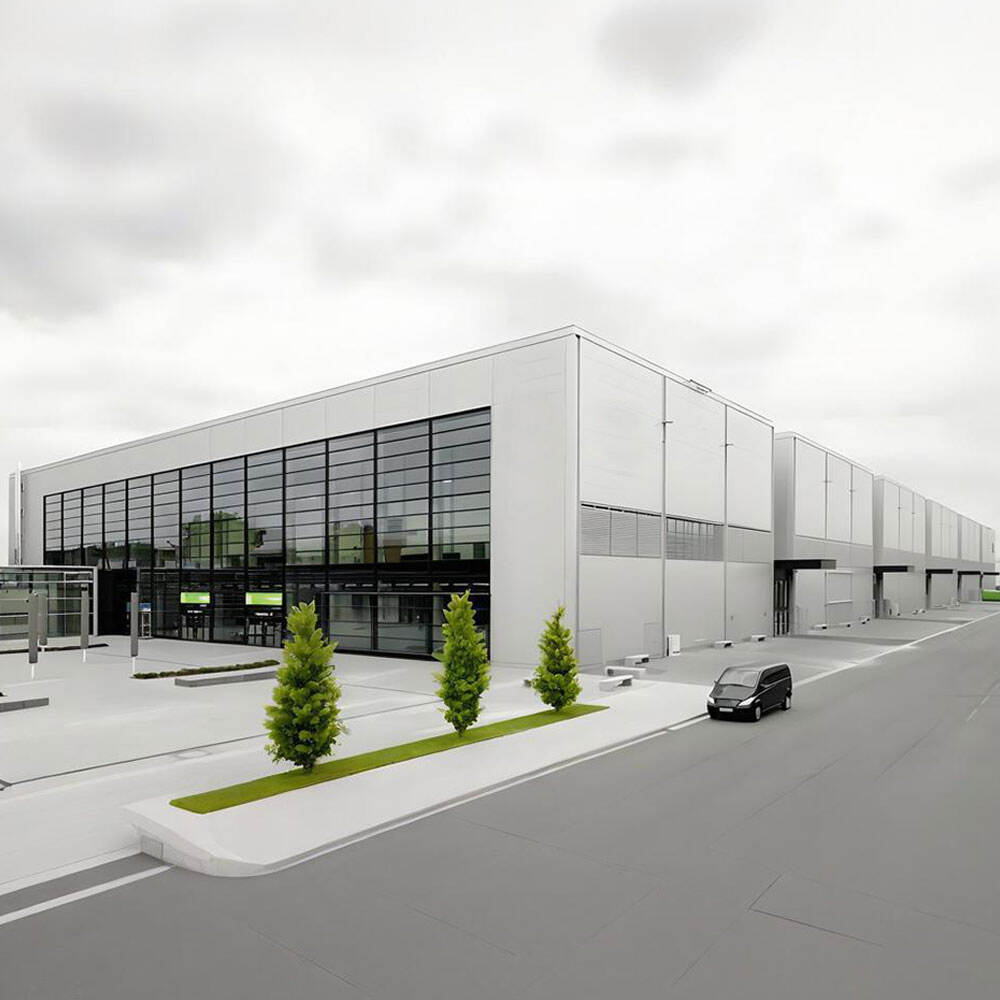
Structural Integrity: Designing Prefabricated Workshops for Crane Loads and Dynamic Equipment Forces
Load-Bearing Capacity Calculations for Overhead Cranes and Impact-Prone Machinery
Getting the load bearing numbers right is absolutely critical when building prefabricated workshops that need to handle overhead cranes and all sorts of heavy machinery. The engineers working on these projects have to consider both the static loads, which includes just the weight of the building itself, plus those dynamic loads created when the equipment actually runs. We've seen cases where sudden movements like cranes starting up fast, coming to abrupt stops, or even loads swinging around can increase stress levels by roughly 25% in facilities that get constant use. That's why nobody skips the dynamic impact analysis anymore. Most designs include standard safety margins, typically around 1.5 times for those crane runway beams, to protect against failures caused by metal fatigue over time. To double check everything works as planned, many teams run finite element analysis simulations these days. These tests show how beams react under different stress conditions, helping ensure they won't bend out of shape or sag too much during peak operations. And let's not forget about the materials themselves either. High strength structural steel makes all the difference here, giving buildings that extra punch needed to withstand repeated loading cycles without breaking down prematurely.
Q355B vs S355JR: Material Selection for Fatigue Resistance in High-Cycle Industrial Environments
When deciding between Q355B (based on Chinese GB/T 1591) and S355JR (from European EN 10025-2), engineers need to consider how these steels will perform over time in heavy machinery environments. Both have similar minimum yield strengths around 355 MPa, but there are real differences when looking at how consistent they are metallurgically and how they handle cold temperatures. The European grade S355JR stands out for its ability to withstand repeated loading beyond 100,000 cycles, which matters a lot for things like crane supports. This comes down to better control during manufacturing regarding sulfur levels and the shapes of impurities in the metal, making cracks less likely to start forming. At minus 20 degrees Celsius, S355JR can absorb impacts with a Charpy V-notch test result of 27 Joules, something Q355B just doesn't match up to in colder conditions. Protective coatings work for both materials against corrosion, but the uniform structure of S355JR gives it an edge against stress-related cracking when subjected to ongoing tension forces. For projects where money is tight and loads aren't extreme, Q355B still works fine. However, whenever operations need to keep running smoothly without interruption, safety needs to be absolute, or equipment must last through many years of service, most professionals go with S355JR specifications.
Modular Construction Advantages: Scalability, Maintenance Access, and Prefabricated Workshop Assembly Efficiency
Tight Tolerances and Bolted Connections: Enabling Rapid Deployment and Future Expansion
When manufacturing takes place under factory control, it delivers structural components with dimensional accuracy down to the millimeter level. This kind of precision makes sure that all those bolt holes line up properly when pieces come together at the job site. The result? Faster assembly with fewer mistakes because everything fits so well together through those strong bolt connections. Take a look at real world examples: building a 5,000 square meter prefabricated workshop now typically takes around 3 to 4 weeks instead of the usual 12 plus weeks needed for traditional methods according to recent industry reports from 2023. Another big advantage comes from having standard bolt patterns across different parts and modular bay designs. Want to expand later? No problem. New sections simply snap into place with what's already there without needing any major redesign work or stopping current operations altogether.
Serviceability Trade-offs: When Bolted Joints Outperform Welded Frames in Heavy-Maintenance Facilities
When dealing with big maintenance-heavy equipment like those 20-ton CNC machines or forging presses, bolted connections just make more sense than welded frames in most cases. The real advantage comes from being able to take parts apart selectively when replacing or upgrading machinery. No need to worry about heat damage to nearby sensitive electronics or precision tools that happens so often with flame cutting. According to some field reports we've seen, this modular approach cuts down on scheduled maintenance downtime by around 40% during big equipment overhauls (the Industrial Maintenance Journal had similar findings in their 2024 edition). That's why top industrial clients are now asking specifically for these high-strength bolted systems, particularly those grade 10.9 M24 fasteners. For them, the ability to service equipment easily, keep workers safe, and maintain production time matters far more than the slight stiffness benefits welding might offer.
Environmental Resilience: Corrosion Protection and Fireproofing for Harsh Industrial Settings
Zinc-Aluminum Coating Systems vs Thermal Sprayed Aluminum: Real-World Durability in ISO 12944 C5-I Environments
When dealing with those harsh ISO 12944 C5-I conditions we all know about - think salt air, chemicals everywhere, and constant moisture - how well structures resist corrosion basically determines how long they'll last before needing work. Zinc aluminum alloys like the Zn-5%Al-RE stuff offer decent sacrificial protection through electrochemistry. Most installations last around 15 to 20 years without much maintenance, and at roughly $18 to $25 per square meter it's pretty affordable compared to alternatives. Thermal Sprayed Aluminum takes things further though. It creates this thick metal layer that bonds right into the surface, standing up better against pits, crevices corroding away, and even physical wear from machinery. We've seen these coatings hold up for over 25 years on offshore rigs and coastal facilities, which makes TSA the go-to choice when getting back there for touch-ups would be dangerous or just plain impossible. Sure, TSA needs special gear and trained professionals to apply it (cost runs about $35 to $50 per square meter initially), but considering how rarely it needs maintenance and how tough it is against impacts, most engineers agree it's worth every penny. And don't forget about adding intumescent fireproofing on top of either coating system. This stuff keeps structures intact even when temps hit over 500 degrees Celsius during emergencies, giving people precious time to evacuate while still protecting against rust and decay.
| Coating Attribute | Zinc-Aluminum Systems | Thermal Sprayed Aluminum |
|---|---|---|
| Expected Lifespan in C5-I | 15–20 years | 25+ years |
| Maintenance Frequency | Moderate (recoating likely after 15 years) | Low (minimal intervention expected) |
| Upfront Cost | Lower ($18–25/m²) | Higher ($35–50/m²) |
| Impact Resistance | Moderate | Superior |
Foundation Integration: Ensuring Structural Continuity Between Prefabricated Workshop and Heavy Machinery Support Systems
Vibration-Dampened Foundation Design for 50+ Ton Presses and CNC Machining Centers
Industrial heavyweights like those massive 50-ton plus forging presses and super accurate CNC machining centers create serious harmonic vibrations when they run, sometimes hitting as much as 15 G-forces in really rough conditions. If these vibrations aren't controlled properly, they wear out the structural connections faster and mess with how precisely the equipment works over time. Good vibration damping foundations tackle this problem using three main components. First there are these extra dense concrete cores (about 1.5 to twice normal density) that soak up those lower frequency shakes. Then we put special rubber isolation pads underneath where the machines sit to separate out the moving parts from the rest of the structure. And finally, reinforced tie beams connect the machine bases straight to the building's main steel frame so the weight gets spread throughout the whole structure instead of just sitting on those bolts. When dealing with CNC machines that need absolute precision down to microns, keeping vibrations below 5 microns per second becomes essential. This usually requires adding tuned mass dampers and creating specially designed gravel areas around the equipment. Something important often overlooked is making sure the foundation can handle the different ways concrete and steel expand when heated, otherwise cracks start forming that weaken everything against earthquakes. When done right, these advanced foundations cut down on vibrations spreading to nearby work areas by almost 90% and typically double the lifespan of the equipment compared to regular flat ground installations.
Frequently Asked Questions
What is the importance of load-bearing capacity calculations in prefabricated workshops?
Load-bearing capacity calculations are critical to ensure that the structure can handle both static and dynamic loads, such as those from overhead cranes and heavy machinery, preventing structural failures.
How do Q355B and S355JR materials differ in high-cycle environments?
Both materials have similar yield strengths, but S355JR is more consistent metallurgically and performs better in cold temperatures, making it preferable for high-cycle environments where durability and safety are paramount.
What advantages do bolted connections have over welded frames?
Bolted connections allow for easier disassembly for maintenance and upgrading of machinery, reducing downtime and preventing heat damage to sensitive components during repairs.
Why are Zinc-Aluminum and Thermal Sprayed Aluminum coatings used in harsh environments?
These coatings provide corrosion protection, with TSA offering superior durability and impact resistance, essential for structures in environments with salt air, chemicals, and constant moisture.
How does a vibration-dampened foundation benefit heavy machinery?
Vibration-dampened foundations reduce structural wear and improve machinery precision by absorbing vibrations, extending equipment lifespan, and maintaining operational accuracy.
Table of Contents
- Structural Integrity: Designing Prefabricated Workshops for Crane Loads and Dynamic Equipment Forces
- Modular Construction Advantages: Scalability, Maintenance Access, and Prefabricated Workshop Assembly Efficiency
- Environmental Resilience: Corrosion Protection and Fireproofing for Harsh Industrial Settings
- Foundation Integration: Ensuring Structural Continuity Between Prefabricated Workshop and Heavy Machinery Support Systems
-
Frequently Asked Questions
- What is the importance of load-bearing capacity calculations in prefabricated workshops?
- How do Q355B and S355JR materials differ in high-cycle environments?
- What advantages do bolted connections have over welded frames?
- Why are Zinc-Aluminum and Thermal Sprayed Aluminum coatings used in harsh environments?
- How does a vibration-dampened foundation benefit heavy machinery?