
 EN
EN
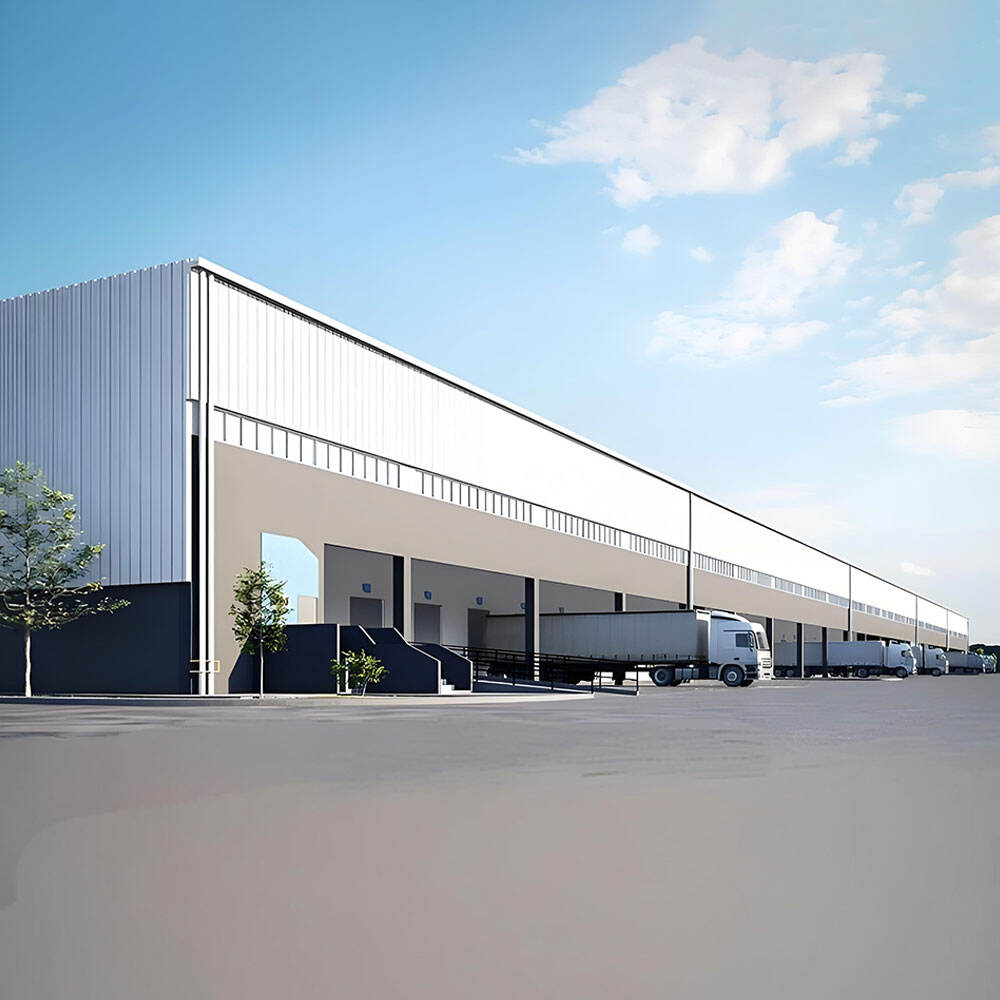
Structural Design Standards Governing Factory Steel Structures
AISC 360-16, Eurocode 3, and TCVN 5575: Ensuring Structural Integrity Across Markets
Following international design standards is essential for building safe steel structures in factories around the world. In North America, most engineers rely on AISC 360-16 and its LRFD approach when designing steel structures. Over in Europe, things work differently because they follow Eurocode 3 for calculating steel components. When it comes to countries in Southeast Asia such as Vietnam, local regulations require compliance with TCVN 5575:2012 which outlines what's necessary for maintaining structural integrity. All these different codes cover similar ground though - they set limits on how much stress materials can handle before failing, specify how connections between parts should be made, outline tests to check if structures will stay stable, and define acceptable levels of bending or movement. This ensures buildings perform reliably even when subjected to various forces during normal operations across different manufacturing settings.
Load Requirements for Factory Steel Structures: Wind, Seismic, Snow, and Live Loads per IBC and Regional Codes
Steel structures used in factories need to stand up against all sorts of environmental forces that are spelled out in the International Building Code (IBC) plus whatever local rules apply where they're built. When it comes down to what actually matters for these structures, there are several key factors engineers look at. Wind loads matter a lot, especially since coastal areas can see winds hitting around 115 mph according to ASCE 7-22 guidelines. Then there's the shaking from earthquakes which depends heavily on the type of soil beneath the building and how active the area is seismically. Snow loads also play their part, particularly when considering roof slopes and local weather patterns. For regular manufacturing spaces, the minimum live load requirement stands at 25 pounds per square foot as outlined in IBC Table 1607.1. Different regions throw their own twists into the mix too. Take Scandinavia for instance, where snow load requirements jump nearly 40% above standard IBC levels. Meanwhile over in Japan, buildings have to handle earthquake risks with reinforcement that's about 30% stronger than normal specs demand. Getting these load calculations right makes a huge difference. Studies show that most structural problems found after construction happens because someone missed something in this planning phase.
Fabrication and Erection Compliance for Factory Steel Structures
AS/NZS 5131, AWS D1.1, and TCVN 170: Quality Assurance for Welded and Bolted Connections
The strength of any structure really depends on following proper fabrication rules. Standards like AWS D1.1 require ultrasonic tests for important welds, while AS/NZS 5131 has strict measurements and checks for steel structures. TCVN 170 deals specifically with bolts, setting clear torque specs to stop things from warping when putting components together. Poor welding jobs or off-center holes create weak spots that can shorten a structure's life significantly. Independent inspectors check edges, joints, and coatings to make sure everything meets specs. These inspections cut down on failures by around 45% in factories and plants, as shown in recent structural reports from 2023.
OSHA 1926 Subpart R & 1926.758: Safety Protocols for Erecting Factory Steel Structures
When it comes to keeping workers safe during construction, there are specific rules outlined in OSHA 1926 Subpart R that everyone needs to follow. Regulation 1926.758 focuses particularly on those metal building structures that require engineered systems. The regulation actually covers several important areas including checking if lifting gear is properly set up, making sure fall protection is in place, confirming what percentage of bolts have been secured on those rigid frame structures before putting any loads on them, and installing permanent bridging before workers start using purlins for moving around. According to recent industry reports from last year, following these procedures stops roughly three quarters of all accidents related to erecting buildings. What's interesting is how these safety steps naturally fit into existing quality control processes, creating a kind of safety performance system that works across different aspects of construction work.
Certification, Traceability, and Tender Documentation Requirements
CE Marking (EN 1090), ISO 9001, and CC3: Bid Eligibility Gateways for Factory Steel Structures
Getting those project bids approved often requires meeting certain international standards. The CE Mark under EN 1090 shows that structural steel meets requirements across Europe, while ISO 9001 proves companies have solid quality control processes needed for most global tender applications. Then there's Russia's CC3 certification which basically tells authorities that equipment complies with local safety rules. Missing any of these marks can pretty much guarantee rejection from about 70% of government infrastructure contracts around the world according to industry reports. For manufacturers trying to win contracts, keeping all these certifications up to date isn't just good practice it's practically a requirement for getting past the initial screening stages of most major bids.
Material Traceability and Mill Test Reports (ASTM A6/A6M, JIS G3106) in Pre-Qualification Packages
Keeping track of materials through the production process makes sure all parts actually meet what they're supposed to be. When putting together pre-qualification documents, manufacturers need those Mill Test Reports (MTRs) that check if the metal's chemistry and strength match up to industry standards like ASTM A6/A6M over here in the US or JIS G3106 when dealing with Japanese specs. The MTR itself should list things like heat numbers where the metal came from, plus have some kind of independent verification. This creates a paper trail that shows everyone involved the product can handle the stresses it will face and stays within safe limits. Without this documentation, no one is going to approve the tender anyway.
FAQ
What are the key international design standards for factory steel structures?
The key international design standards for factory steel structures include AISC 360-16 in North America, Eurocode 3 in Europe, and TCVN 5575:2012 in Southeast Asia, particularly Vietnam. These standards govern stress limits, connections, stability tests, and acceptable levels of bending or movement.
Why is load calculation important in steel structure design?
Load calculation is crucial because it determines the structure's ability to withstand environmental forces such as wind, seismic activity, snow, and live loads. Errors during this phase lead to most structural problems post-construction.
What role do inspections play in the longevity of steel structures?
Inspections play a vital role in ensuring fabrication and erection compliance by checking edges, joints, and coatings to meet specified quality standards, thereby reducing failures significantly.
How do safety protocols integrate with quality control in construction?
Safety protocols such as those specified by OSHA integrate with quality control processes by ensuring procedures for lifting gear, fall protection, and bolt securing are met, reducing accidents and ensuring structural integrity.
Why are certifications like CE Mark and ISO 9001 crucial for tender approvals?
Certifications such as the CE Mark and ISO 9001 demonstrate adherence to international quality standards required for most global tenders, directly impacting manufacturer eligibility for government contracts.
Table of Contents
- Structural Design Standards Governing Factory Steel Structures
- Fabrication and Erection Compliance for Factory Steel Structures
- Certification, Traceability, and Tender Documentation Requirements
-
FAQ
- What are the key international design standards for factory steel structures?
- Why is load calculation important in steel structure design?
- What role do inspections play in the longevity of steel structures?
- How do safety protocols integrate with quality control in construction?
- Why are certifications like CE Mark and ISO 9001 crucial for tender approvals?