
 EN
EN
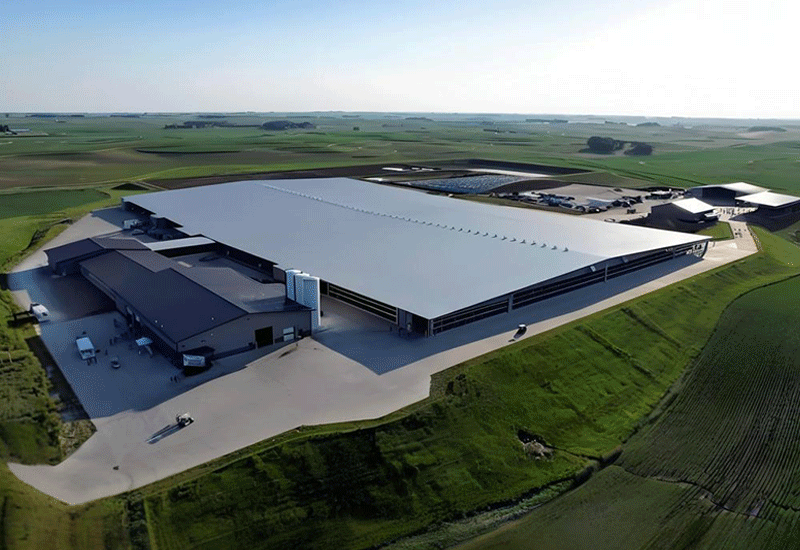
Why Steel Structure Buildings Pose Unique Soundproofing Challenges
Airborne and Impact Noise Amplification Due to Steel’s High Density and Resonance
The dense nature of steel, around 7,800 kg per cubic meter, helps block out high frequency noises such as people talking or passing cars according to what's known as the Mass Law principle. But there's another side to this story. Steel is pretty stiff stuff, which means it actually vibrates quite a bit when exposed to lower frequency sounds below about 250 Hz. Think of things like the rumble from machines or vibrations coming through heating systems. According to research from NRC Canada back in 2023, these vibrations can actually make low frequency noises louder by between 6 and 12 decibels. When steel panels aren't lined properly, they behave somewhat like big drum skins. They bounce back more than 95 percent of any sound that hits them, creating annoying echoes that hang around in rooms for far too long.
Structural Transmission: How Vibrations Travel Through Metal Framing and Connections
Vibrations caused by footsteps, running machines, or moving parts travel super fast through steel frames, sometimes going over 5000 meters per second. These vibrations find their way around standard insulation materials through bolts, weld points, and other structural joints. They carry low frequency sounds across pretty long distances too, sometimes reaching about 30 meters away from the source. Steel just doesn't dampen these vibrations naturally like wood does. Tests have measured that steel actually sends out three times as much vibration energy compared to wood when looking at frequencies around 100 Hz. This makes a big difference in real world applications where controlling noise transmission matters.
| Noise Type | Transmission Path | Mitigation Difficulty |
|---|---|---|
| Airborne (speech) | Reflections in cavity | Moderate |
| Structure-borne (impacts) | Beams/connections | High |
Effective Soundproofing Strategies for Steel Structure Building Envelopes
Acoustic-rated insulated metal panels (IMPs) and composite wall systems
Insulated Metal Panels (IMPs) designed for acoustics actually build sound control right into the walls themselves. The panels work because they sandwich materials like mineral wool or fiberglass between two layers of steel. This setup can hit sound transmission class ratings from around 45 to 55, all without messing up how well the building keeps heat out. Regular metal cladding just doesn't do this. With IMPs, the sound waves get absorbed in the middle layer where they turn into heat instead of bouncing back out. Tests show these panels cut down on airborne noise about 60 percent better than plain steel walls without insulation. Makes sense when thinking about commercial buildings where noise control matters a lot.
Layered construction: air gaps, resilient channels, and continuous sealing for flanking paths
Multi-stage assemblies counter structural noise through strategic decoupling and mass augmentation. A three-phase approach delivers optimal results:
| Technique | Purpose | Performance Impact |
|---|---|---|
| Resilient channels | Isolate drywall from framing | Prevents 90% of vibration transfer |
| Air gaps (>25mm) | Break sound wave continuity | Adds STC 8–12 points per cavity |
| Acoustic sealants | Eliminate flanking paths | Critical for maintaining rated STC performance |
The technique works on mass spring physics principles. Heavy materials like mass loaded vinyl or thick drywall form barriers against outside noise, while separate interior surfaces soak up what gets through. Getting this right matters a lot. Any gaps between panels, around pipes or where walls meet floors let sound escape. Studies show something surprising too. Just 1% of open space across the whole wall surface can cut soundproofing performance in half. That's why attention to detail during installation makes such a big difference in real world applications.
Decoupling Techniques to Isolate Structural Noise in Steel Framing
Sound isolation clips, floating floors, and vibration-dampening hangers for steel joists
When we talk about decoupling in construction, what we're really doing is separating different parts of the building so vibrations can't travel through them as easily. Those little sound isolation clips that go between steel beams and drywall channels work pretty well because they have rubbery material inside that soaks up the impacts. Some studies suggest they cut down on noise traveling through structures by around three quarters, though results vary depending on installation quality. For floors, floating designs with special underlayments act like soundproofing blankets, creating physical barriers against unwanted vibrations. Mechanical equipment gets hung from specially designed supports that reduce how much shaking gets transferred throughout the building. If done right, all these methods disrupt those pesky vibration bridges where noise likes to sneak through, typically cutting noise levels somewhere between 15 to 20 decibels. This makes a big difference in apartments or offices built with steel frames where quiet matters.
Targeted Upgrades for Critical Weak Points in a Steel Structure Building
STC-rated acoustic doors, laminated/double-glazed windows, and perimeter gasketing
Steel framed buildings often have trouble spots around entry areas. Doors rated at STC 45 or higher do a much better job blocking noise that comes through from nearby spaces or outside environments. Windows made with laminated glass or double glazing (with those little air pockets between panes) can cut down on sound passing through by about half compared to regular single pane glass. For sealing around doors and windows, perimeter gaskets made from rubber-like materials form an almost unbroken seal along edges. These seals stop most of the annoying side channel noises that sneak in through gaps between different building components.
Interior absorption: ceiling baffles, acoustic partitions, and mass-loaded vinyl applications
Steel tends to reflect sound all over the place, so interior surfaces need to counteract this effect somehow. For those big open spaces like warehouses or factories with high ceilings, suspended ceiling baffles filled with mineral wool that has an NRC rating of at least 0.8 work really well to cut down on echoing noises. When it comes to separating different areas within these kinds of buildings, modular acoustic partitions are becoming popular choices. These typically have fabric covers wrapping around fiberglass cores and offer both flexibility and good performance for creating distinct zones between offices and production floors. In areas where there's lots of impact activity going on, applying mass loaded vinyl directly onto steel frames can make a big difference. We're talking about reductions in vibration transfer ranging from 20 to 30 decibels while still keeping valuable floor space intact for actual operations.
FAQ
Why do steel structure buildings amplify noise?
Steel's high density helps block high-frequency noise, but its stiffness makes it vibrate under low-frequency sounds, amplifying these noises.
How do vibrations travel in steel structures?
Vibrations travel quickly through steel, sometimes over 5000 meters per second, moving around standard insulation materials through structural joints and causing noise transmission.
What soundproofing measures work best in steel buildings?
Acoustic-rated metal panels, resilient channels, and specialized insulation and sealants can effectively reduce noise transmission in steel structure buildings.
What are common weak points for noise in steel buildings?
Common weak points include windows, doors, and structural joints where sound can easily transfer through gaps or improperly sealed areas.