
 EN
EN
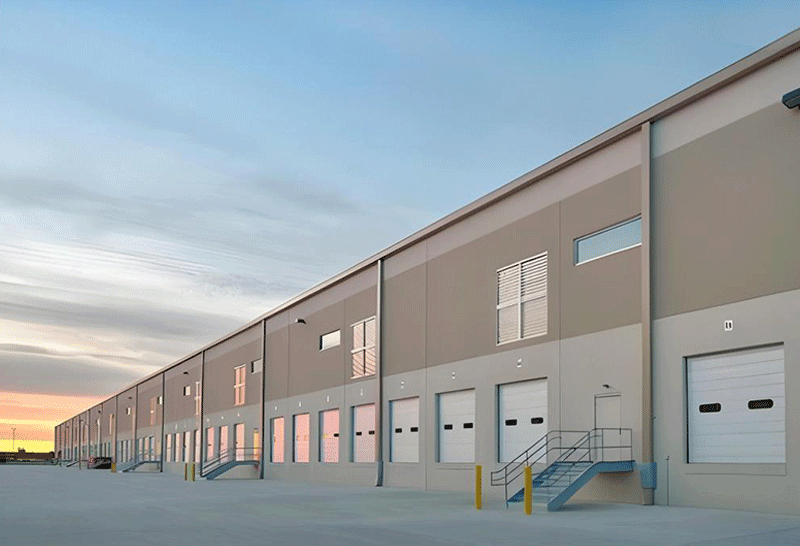
Why Modular Design Makes Prefabricated Warehouses Inherently Expandable
Clear-span framing and standardized bolted connections enable plug-and-play physical extension
Prefabricated warehouses rely on clear span designs that get rid of those pesky interior columns, giving businesses open floor spaces that can easily grow over time. The standardized bolt connections mean adding extra bays works just like stacking building blocks, which typically saves around half the construction time when compared to traditional on-site methods. The modular nature actually allows buildings to expand sideways while still keeping everything structurally sound, something engineers have tested thoroughly looking at how weight spreads through connected parts. Components made in factories are precisely measured too, so when companies want to add new sections even decades later, everything fits together without problems.
Manufacturer continuity: Leveraging original design data and component compatibility for seamless integration
Working directly with the original manufacturer makes expansions much easier since they can provide those confidential design documents, material specs, and inventory records. When components actually fit together properly, there are no headaches with mismatched framing parts, cladding materials, or connection hardware. This becomes really important during projects like adding mezzanine floors or stretching out roof structures. Before breaking ground, digital twins let engineers test how loads will distribute throughout the building. Standardized manufacturing processes keep material quality consistent from one construction phase to the next, which cuts down on problems related to settling differences or temperature changes affecting different sections differently. According to what most industry folks report, this kind of continuity typically saves around 30% on engineering validation expenses. Plus, everything added complies with today's building regulations right from the start, so there's no need for expensive retrofits later on.
Proven Expansion Methods for Prefabricated Warehouse Footprint and Volume
Horizontal expansion: Adding bays, wings, or annexes without structural compromise
When companies want to grow horizontally, they usually go for prefab systems because these things are built to be modular right from the start. Just slap on those standard bays or annexes right next to where the building already stands. The frames get repeated over and over again, and those bolts come pre-engineered so everything fits together quickly. Most businesses can keep running normally while expanding since workers can move to other parts of the facility. Temporary walls help contain all that construction mess and loud noises too. Take one big logistics company for instance—they managed to boost their storage space by around 30 percent within seven weeks without missing a single delivery thanks to adding those bays one after another. But make sure the ground can handle the extra weight first! Also important is keeping the same slope on roofs, aligning gutters properly, and making sure those portal frames match up across the whole expanded area otherwise things might not hold up long term.
Vertical expansion: Mezzanines, multi-tier racking, and crane-ready roof reinforcement
Going vertical instead of horizontal is smart when trying to get more storage space without buying extra land. Mezzanine floors made in factories and ready to install fast save around 40 to 60 percent compared to pouring concrete on site. In warehouses where heavy machinery operates or automation is needed, building roofs stronger right at the start makes sense for supporting overhead cranes later on or handling equipment that weighs more than five tons. Putting in automated storage systems creates about 25% more stress on structures than regular shelving does, so checking how much weight columns can take and what floors will hold becomes really important before anything gets built. Companies that think vertically from the beginning usually find their operations grow smoothly over time while keeping options open for whatever comes next.
Critical Structural and Regulatory Checks Before Expanding Your Prefabricated Warehouse
Foundation load capacity, anchor bolt retrofitting, and load path validation
When planning any kind of expansion work, it's essential to check whether the current foundation can handle the increased loads, especially at points where new sections like additional bays, mezzanine floors, or areas meant for heavy machinery connect to what was already built. Most of the time, anchor bolts need some sort of retrofitting to maintain proper structural integrity between the older parts and whatever gets added later on. Checking how forces actually move through the building structure is absolutely critical stuff. We're talking about making sure everything from columns down to the actual foundation base can properly carry those loads across all connection points. This becomes even more important when dealing with taller structures or spaces requiring higher ceilings. Contractors who skip over these basic assessments end up facing serious problems later on ranging from unsightly settlement cracks appearing in walls to entire columns giving way under stress, not to mention potential catastrophic failures during earthquakes or other sudden impacts.
Zoning compliance, building code updates, and permitting requirements for existing structures
Local zoning rules can put limits on expanding buildings sideways or adding extra floors, even when the property is already designated for industrial use. The building codes change all the time too. Fire safety distances, earthquake protection measures, wheelchair access requirements for things like mezzanine stairs, and energy saving regulations are constantly being updated since the day the building was first constructed. Getting those official stamped drawings from engineers who know the local area should happen right at the beginning stages if we want to get permits without headaches later on. It's smart to talk with city planners and environmental groups early on while working through issues related to how land can be used, managing rainwater runoff, or dealing with historic preservation areas around the site. This kind of advance coordination helps prevent costly surprises down the road when work has already started.
FAQ Section
Why are prefabricated warehouses easily expandable?
Prefabricated warehouses are easily expandable due to their modular design, which allows for seamless integration of additional sections using standardized bolts.
How does working with the original manufacturer help in warehouse expansions?
Working with the original manufacturer helps because they can provide original design data and ensure compatibility of new components, ensuring a smooth expansion process.
What precautions should be taken before expanding a prefabricated warehouse?
Precautions include checking foundation load capacity, ensuring zoning compliance, and validating building codes to avoid structural and regulatory issues.