
 EN
EN
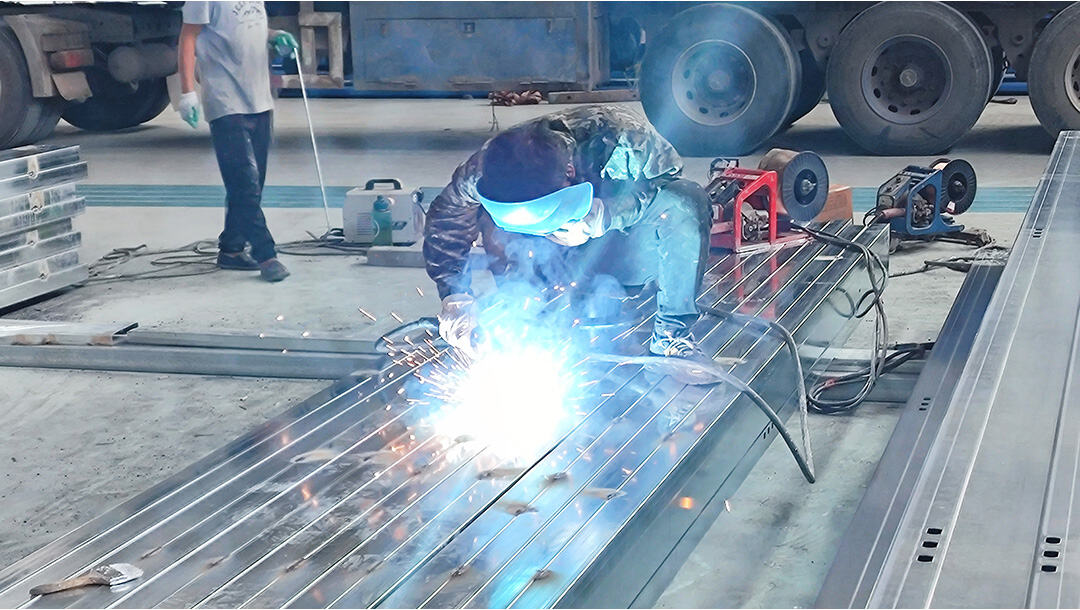
Unmatched Strength and Long-Term Durability of Steel Buildings
Long-Term Durability and Longevity of Steel Structures
Industrial steel buildings often last well over 50 years, and with good care can keep going for more than a hundred. Steel just doesn't behave like wood or concrete when it comes to wear and tear. While wooden structures warp and crack over time, and concrete develops hairline fractures, steel maintains its integrity. A recent look at steel components showed they still hold about 97 percent of their original strength even after three decades of constant use. And because steel isn't organic, there's no worry about rot setting in, mold growing, or pests making homes in the walls like happens so frequently with other building materials. This makes steel particularly appealing for long term industrial projects where replacement costs need to stay low.
Performance Under Extreme Weather Conditions
Steel structures used in industrial settings can handle wind speeds well beyond what most people imagine, surviving gusts over 150 mph which would be classified as Category 5 hurricane force. They also stand up to heavy snow loads of more than 40 pounds per square foot. What makes these structures so resilient? The welding techniques and solid framework design play a big role in their ability to resist earthquakes. According to recent studies from FEMA's 2024 report on building performance, steel buildings actually perform about 68 percent better during seismic events compared to similar concrete structures. When it comes to rainwater management, continuous gutter systems combined with sloped roofs really make a difference. These designs let water drain away at a much quicker rate than flat roofs do, typically around four times faster according to industry standards. This helps prevent dangerous water buildup that could damage the building over time.
Resistance to Pests, Corrosion, and Structural Fatigue
Galvanized coatings with three layers offer excellent protection from corrosion. After sitting in salt spray tests for fifteen years, these coatings show just 0.12 mm of surface wear, which makes them great choices for areas near coastlines or where chemicals are present. The steel has pretty impressive fatigue strength ranging between 160 and 200 MPa, so it can handle more than 100 thousand stress cycles before failing. That kind of durability works well when building machinery foundations. Another benefit worth mentioning is how resistant this material remains to pests like termites and rodents. Maintenance bills drop significantly as a result, about eighteen dollars saved each year on every square foot compared with wooden structures. These savings add up over time for facility managers looking to reduce expenses while maintaining structural integrity.
Case Study: Two-Decade Performance in Industrial Environments
The steel facility at a manufacturing plant somewhere in the Midwest, built back in 2004, needed only about 23 cents per square foot for maintenance across twenty years. That's actually 89 percent cheaper than what they spent maintaining the old concrete building before it. When we look at thermal images, everything checks out regarding insulation performance. Pretty impressive considering those original bolts and joints haven't shown any real deflection even though there are daily operations involving 25-ton cranes going on around them. This kind of durability matches what NIST has been saying all along about steel structures retaining roughly 94% of their original thermal and structural integrity after twenty years of use.
Accelerated Construction and Minimal Operational Downtime
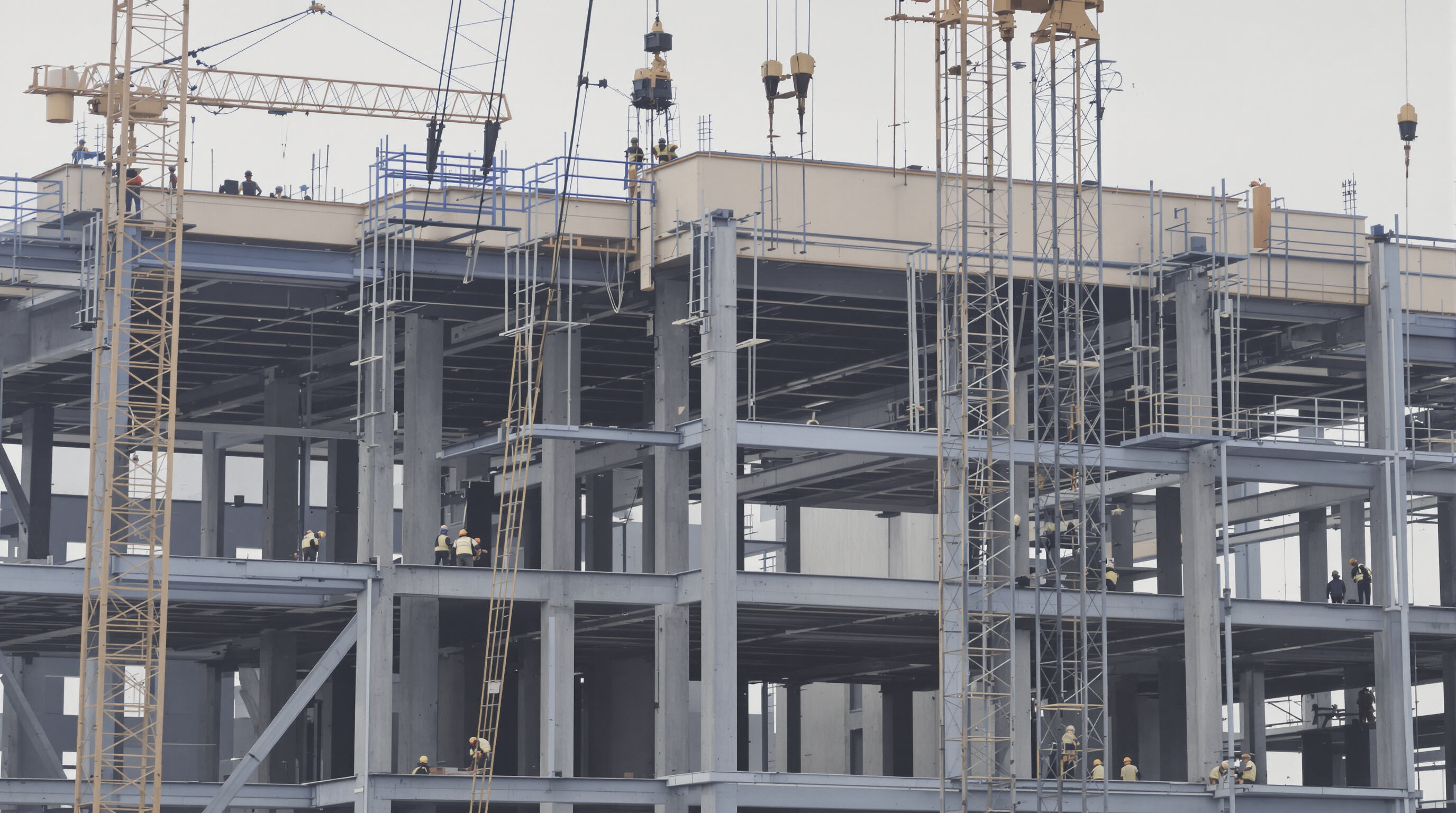
Fast Assembly Using Prefabricated Steel Components
Steel components that are pre-engineered get made according to very specific measurements, which means putting them together at construction sites happens anywhere from 30 to 50 percent quicker compared to old school building techniques. The accuracy here cuts down on what workers have to do and fixes problems later on since these modular structures simply snap together with bolts. No waiting around for concrete to dry or trying to fit pieces manually anymore. According to some research published last year in Plant Engineering magazine looking at modular builds, nearly three quarters (that's 72%) of industrial jobs where they used this kind of prefabricated steel actually finished right on time or even ahead schedule despite all sorts of real world challenges.
Comparison with Traditional Construction Timelines
| Factor | Steel Buildings | Traditional Construction |
|---|---|---|
| Design-to-Completion | 3–6 months | 12–18 months |
| Weather Delays | 15% fewer | High risk |
| Labor Hours | 8,200 | 14,500+ |
Data: National Association of Industrial Contractors (2023)
Faster Occupancy and Reduced Project Delays
Steel buildings allow businesses to occupy facilities 6–9 months earlier than conventional construction. This rapid deployment minimizes revenue loss during transitions—especially critical for manufacturers under production deadlines. Industry data shows a 25% improvement in project ROI due to lower financing costs and earlier revenue generation.
Significant Cost Savings Across the Building Lifecycle
Lower Maintenance Needs Due to Steel’s Resilience
Steel buildings require 40% less annual upkeep than those built with traditional materials, according to a 2023 sustainable construction report. This stems from steel’s resistance to rot, mold, pests, and structural degradation. Over 20 years, this durability translates to an average savings of $17,000 in repair costs per facility (Sustainable Building Institute).
Energy Efficiency and Reduced Utility Expenses
Modern steel buildings with insulated panels and reflective roofing achieve 25–30% lower energy consumption than conventional industrial structures. A 2024 case study showed climate-controlled warehouses saving $6.50 per square foot annually on utilities. Innovative ventilation systems combined with steel’s thermal stability reduce HVAC loads, supporting net-zero energy goals for large-scale facilities.
Insurance Benefits and Long-Term Return on Investment
Steel framed industrial buildings get insurers to cut premiums by around 18% because they resist fires better and hold up during disasters. When looking at returns over time, steel structures actually perform quite well compared to older methods. Studies show these buildings can give back about 12.4% more return on investment over 35 years mainly because they cost less to run day to day and sell for good prices later on. Take what happened in New York City where someone retrofitted an old building with steel parts. The results were impressive too - they saved about four and a half million dollars each year just from running costs alone. That means the whole project paid for itself in just five short years according to data from the JLL Global Sustainability Report which tracks these kinds of things.
Design Flexibility and Scalability for Evolving Industrial Needs
Clear-Span Interiors Maximizing Functional Space
Rigid-frame steel engineering eliminates interior support columns, creating unobstructed spaces up to 300 feet wide. This design freedom allows factories and warehouses to optimize layouts for heavy machinery, automation, and high-density storage. A 2023 industrial facility survey found clear-span configurations reduced wasted floor space by 34% compared to multi-column buildings.
Seamless Expansion Without Structural Compromise
Modular steel components enable straightforward expansion—production bays, offices, or storage zones can be added without demolition. Pre-engineered connections allow new sections to be bolted directly to existing frameworks while maintaining full structural integrity, a key advantage during sudden demand increases.
Customization Options for Specialized Industrial Applications
Steel buildings can be customized with reinforced crane systems, insulated panels for temperature-sensitive operations, or EMI-shielded electrical conduits. This adaptability ensures compliance with strict industry standards, from pharmaceutical cleanrooms to automotive paint booths, supporting long-term operational evolution.
FAQ
Why are steel buildings more durable than traditional materials?
Steel buildings are more durable due to their resistance to rot, pests, and structural degradation, unlike wood or concrete.
How do steel structures perform in extreme weather conditions?
Steel structures tolerate high wind speeds and heavy snow loads, offering resilience due to solid framework designs and welding techniques.
What makes steel a cost-effective choice for industrial buildings?
Steel lowers maintenance needs, offers energy efficiency, and accrues significant savings throughout the building lifecycle.