
 EN
EN
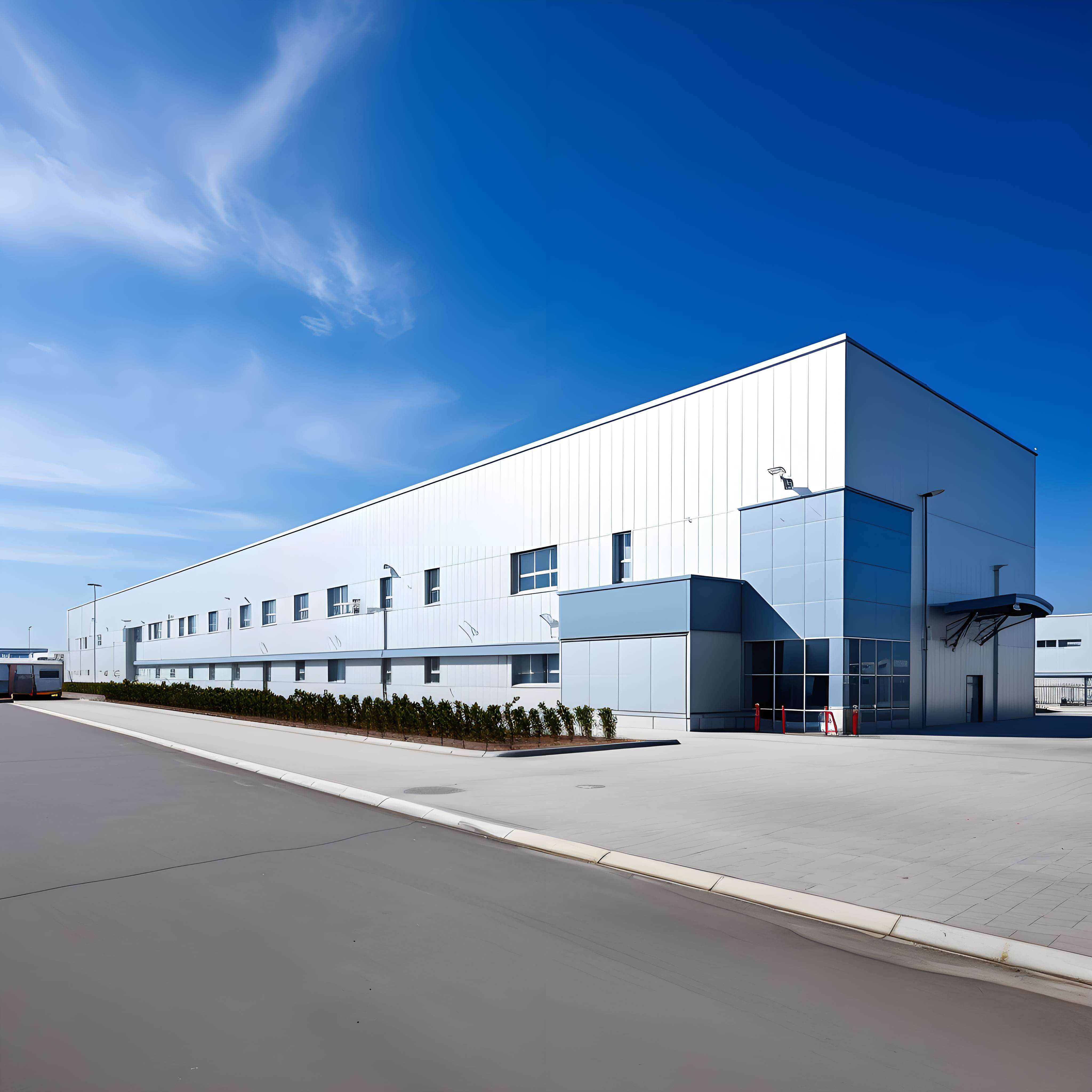
Accelerated Deployment Without Disrupting Supply Chain Operations
How prefabricated warehouse construction slashes time-to-occupancy to under 12 weeks
Building standardized components off site at the same time as preparing the ground cuts down on those annoying delays that happen all the time in regular construction projects. When we do things this way side by side rather than one after another, it actually shortens the whole building process by somewhere around 40 to 60 percent. People can move into their new spaces within about 12 weeks give or take depending on circumstances. The heavy duty steel frames along with wall panels show up exactly when needed for quick assembly by experienced teams. This helps avoid problems caused by bad weather and means we need about 35 percent fewer workers onsite. As they're pouring the foundation, our roof trusses get welded with pinpoint accuracy inside temperature controlled factory settings where quality stays consistent and everything gets done faster. For companies dealing with sudden increases in customer demand during certain seasons or trying to adjust to changes in their supply chains, this kind of flexibility makes all the difference in staying competitive.
Real-world case: Rapid deployment during peak-season logistics surges
One big distributor needed about 80,000 square feet of extra space right before Black Friday shopping madness hit. They got everything ready for business in just 11 weeks, which is half the time most companies take normally. The phased approach was smart too because nearby warehouses could keep running as normal while workers put together the new building. Those modular loading docks connected to their old conveyor belts in under three days flat, handling twice the usual product volume without messing up operations at all. Speed really matters when money's on the line. Retailers lose around $1.4 million each day just from customers abandoning their online carts if shipments get delayed during busy seasons according to Supply Chain Quarterly last year. Prefab warehouse solutions aren't just quick fixes anymore they're becoming serious competitive tools for businesses facing tight deadlines.
Predictable Cost Control and Lifecycle Value in Prefabricated Warehouse Projects
Fixed-price contracts and reduced labor dependency minimize budget overruns
Prefabricated warehouses deliver exceptional cost predictability through fixed-price contracts that eliminate financial surprises. Factory-controlled manufacturing reduces on-site labor dependency by up to 45%, cutting wage expenses and weather-related delays. Industry analysis identifies three core financial advantages:
- Material efficiency: Precision cutting in factory environments reduces steel waste by 18–22%
- Accelerated timelines: Projects complete 30–40% faster, lowering financing costs and accelerating revenue generation
- Lifecycle savings: Energy-optimized designs and durable steel components reduce annual operating costs by ~15%
Modular construction delivers 10–20% lower total construction costs versus traditional builds, while standardized components ensure maintenance remains predictable across the facility’s lifespan. This certainty enables strategic capital allocation—not reactive contingency management.
Scalable Modularity: Growing Your Prefabricated Warehouse as Inventory Demands Evolve
Phased Expansion Without Operational Downtime or Structural Retrofitting
Modular prefabricated warehouse systems support seamless capacity growth through planned expansion joints and standardized connection points engineered into the initial design. Businesses can:
- Add new sections during off-peak periods without halting operations
- Integrate bolt-on extensions—eliminating costly structural retrofits
- Scale storage space by 40–200% in under 8 weeks (Industry Benchmark, 2023)
Because expansions use off-site fabricated modules, on-site disruption is minimal. Facility managers report 90% less workflow interruption compared to conventional extensions.
From Seasonal Overflow to Permanent Distribution Hubs: Long-Term Adaptability Built-In
Prefabricated warehouses are designed for dual-purpose flexibility—transforming temporary overflow solutions into permanent assets. Key features include:
- Reconfigurable interiors, with adjustable racking and relocatable mezzanines
- Load-adaptive frameworks, engineered to support future automation integration
- Foundation systems, designed for multi-phase expansion
During peak seasons, overflow modules provide immediate capacity; when demand stabilizes, those same structures convert into permanent distribution hubs through reconfiguration—reducing long-term facility costs by 57% versus building replacements. This adaptability future-proofs logistics infrastructure against volatility and growth.
Engineered Durability and Compliance: Meeting Industrial Standards with Prefabricated Warehouses
Heavy-duty steel framing, clear-span interiors, and OSHA/ISO-compliant load capacity
Today's prefabricated warehouses focus on creating buildings that can stand up to whatever nature throws at them. They use galvanized heavy duty steel frames because these materials resist rust, earthquakes, and even weather conditions that go beyond what local building codes require. The inside spaces are designed without those pesky interior columns that eat up valuable floor area, so companies get maximum storage capacity and their forklifts can move around freely without constantly dodging support beams. Every warehouse goes through independent checks to ensure they pass safety standards set by OSHA for fall protection and meet ISO certification requirements for load capacity, typically above 25 pounds per square foot when storing goods on multiple levels. We actually test how long these buildings will last before selling them, and our tests show most should last well over 50 years with hardly any upkeep needed. Getting all these complicated building regulations right matters a lot. Wind speeds, snow loads, earthquake risks vary from one location to another, so having engineers on board isn't optional if we want to get permits approved. What this means for businesses is straightforward: they end up with warehouses that follow all the rules, won't need expensive modifications later, and protect both workers and stored products against damage.
FAQ
What are the main benefits of prefabricated warehouse construction?
Prefabricated warehouses offer significant benefits, including reduced construction times, cost predictability through fixed-price contracts, scalable modularity, and enhanced durability and compliance with industrial standards.
How quickly can a prefabricated warehouse be constructed?
Prefabricated warehouses can typically be completed in under 12 weeks, reducing time-to-occupancy by 40-60% compared to traditional construction methods.
Are prefabricated warehouses cost-effective?
Yes, they are cost-effective due to fixed-price contracts, reduced labor dependency, material efficiency, and accelerated timelines, which lower total construction costs and operating expenses.
How do prefabricated warehouses handle expansion?
Prefabricated warehouses allow for phased expansion through modular systems, enabling businesses to add new sections without significant disruption or costly structural retrofits.
Table of Contents
- Accelerated Deployment Without Disrupting Supply Chain Operations
- Predictable Cost Control and Lifecycle Value in Prefabricated Warehouse Projects
- Scalable Modularity: Growing Your Prefabricated Warehouse as Inventory Demands Evolve
- Engineered Durability and Compliance: Meeting Industrial Standards with Prefabricated Warehouses
- FAQ