
 EN
EN
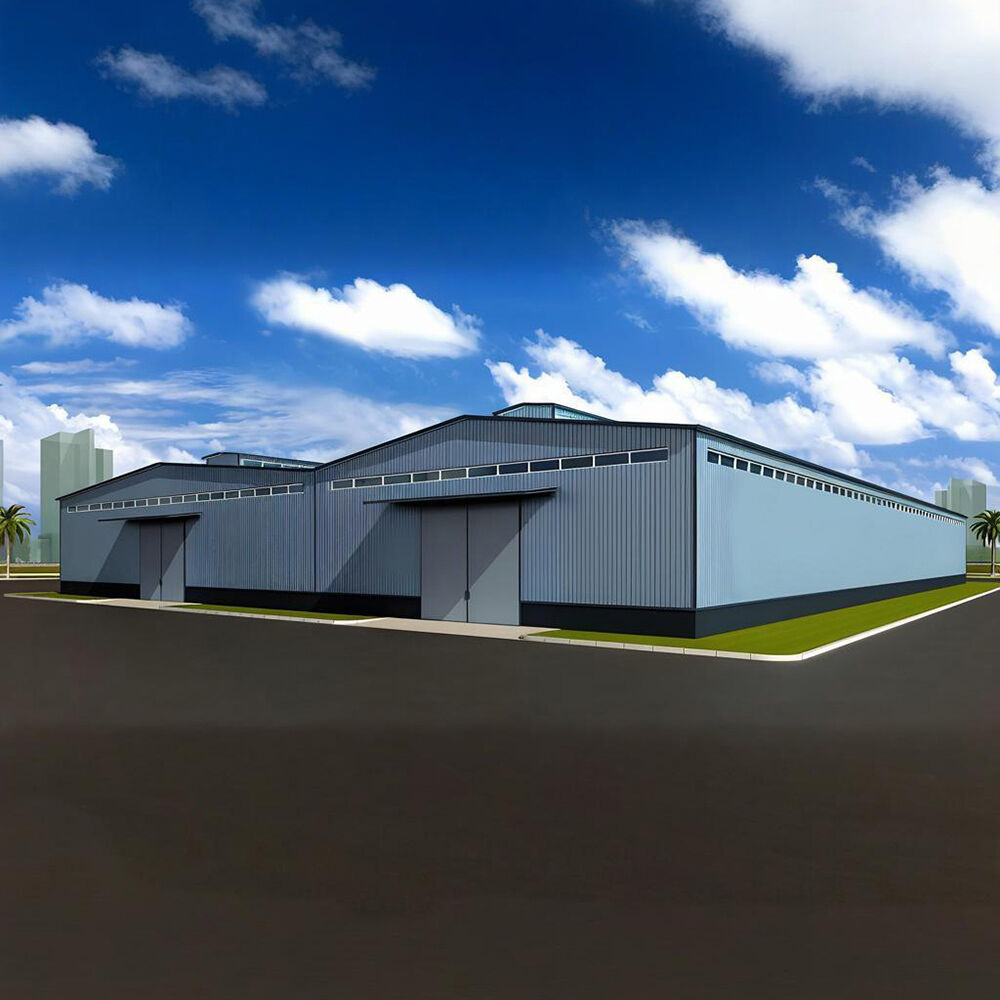
Superior Structural Performance for Large-Span Warehouse Designs
Wide Span Capabilities Without Interior Load-Bearing Walls
Warehouse roof trusses make it possible to span over 200 feet without needing those pesky internal columns, which is really important for logistics centers that need open floor space. Most warehouses these days are going this route since studies show around 96 percent of them want column-free areas specifically for their automated material handling systems. When we remove those load bearing walls, steel trusses actually make life easier for configuring shelves and planning out aisles. Plus they leave room for things like overhead cranes or even robotic equipment to move around freely without obstruction.
High Strength-to-Weight Ratio Enhances Structural Efficiency
Steel trusses achieve compressive strengths up to 50 ksi while weighing 60% less than concrete alternatives, allowing warehouses to support heavier roof loads with slimmer profiles. This efficiency reduces lateral wind loads on foundations by 22-35% compared to traditional framing (MBCM 2023), enabling taller vertical storage configurations without compromising structural integrity.
Open Interiors Maximize Usable Space and Layout Flexibility
Column-free interiors increase usable square footage by 18-24% compared to multi-span designs, providing adaptable zones for cross-docking operations or seasonal inventory shifts. Facilities using this design report 31% faster pallet turnover rates due to optimized workflow paths, according to recent warehouse optimization studies.
Customizable Truss Configurations for Diverse Warehouse Needs
From Pratt trusses for heavy equipment storage to Warren configurations for cold-chain facilities, prefabricated systems adapt to:
- Height requirements: Clearances up to 40 feet for vertical racking
- Climate control: Integrated insulation channels
- Future expansion: Modular connection points for seamless additions
This flexibility reduces retrofitting costs by 57% over a building’s lifecycle compared to rigid-frame structures (MBCM 2023).
Cost Savings Through Efficient Material and Foundation Use
Reduced Material Waste with Precision-Engineered Roof Trusses
Precision-engineered roof trusses minimize waste through advanced fabrication techniques like optimized nesting, which maximizes sheet metal utilization. Industry studies show these methods reduce material waste by up to 30% compared to traditional framing, lowering raw material costs and disposal fees while improving sustainability.
Lower Foundation Costs Due to Lightweight Truss Systems
The reduced weight of steel trusses significantly decreases structural load requirements. Analyses indicate lightweight systems lower foundation expenses by 40%, as they eliminate the need for deep footings or reinforced concrete slabs. This benefit is especially valuable in regions with challenging soil conditions, where conventional foundations often require costly overengineering.
Long-Term Economic Benefits of Steel Roof Trusses in Warehouses
Steel trusses deliver lifecycle savings through:
- Durability: Resists warping, rot, and pest damage
- Low maintenance: No recurring treatments required
- Adaptability: Easily reconfigured for layout changes
Warehouses with steel trusses incur 60% lower maintenance costs over 30 years compared to wood alternatives, based on industry research.
Comparison: Cost-Effectiveness of Roof Trusses vs. Traditional Framing
| Factor | Roof Trusses | Traditional Framing |
|---|---|---|
| Material Waste | 8-12% | 15-25% |
| Foundation Costs | $18-$22/sq ft | $28-$35/sq ft |
| Installation Speed | 20% Faster | Baseline |
| Lifespan | 50+ Years | 25-30 Years |
This data highlights how truss systems outperform conventional methods across key budget metrics.
Faster Construction Timelines with Prefabricated Roof Trusses
Prefabricated roof trusses transform warehouse construction by enabling projects to meet aggressive deadlines without sacrificing structural integrity. Factory-made components and modern engineering practices accelerate timelines while ensuring precision across all phases.
Rapid On-Site Installation of Factory-Made Truss Systems
Preassembled steel trusses arrive site-ready, eliminating weeks of on-site fabrication. A 2025 industry analysis found that prefabricated systems reduce roof installation time by 40-60% compared to stick-built methods. Crane-assisted placement allows crews to install 8-12 trusses per day—a pace unachievable with traditional framing.
Precision Manufacturing Ensures Fit and Reduces Rework
Computer-controlled fabrication achieves tolerances within 1/8 inch, ensuring seamless alignment during assembly. This accuracy avoids the 12-15% material waste typical in conventional framing and prevents costly delays from measurement errors. Third-party inspections at manufacturing facilities verify compliance with ASTM A6 steel standards before shipment.
Minimized Labor Requirements Address Workforce Shortages
Prefabrication reduces on-site labor needs by 55-70% compared to traditional roofing methods. With trusses delivered as complete assemblies, crews avoid skilled tasks like cutting rafters or welding connections. This efficiency helps contractors manage the projected 500,000-worker shortfall in U.S. construction through 2026 (U.S. Bureau of Labor Statistics 2025).
Integration with BIM for Streamlined Design and Assembly
Building Information Modeling (BIM) aligns truss design with mechanical, electrical, and plumbing systems before fabrication begins. This digital coordination prevents the 8-12% rework costs caused by design clashes in conventional projects. Contractors using BIM-enabled truss systems report 30% faster approval cycles with local building departments.
Innovations Accelerating Roof Truss Deployment in Industrial Projects
Automated connection systems and drone-assisted alignment tools now enable installation rates of 1,200 sq ft/hour for warehouse roofs. Research from structural engineering leaders shows these innovations help complete 100,000 sq ft warehouses 6-8 weeks faster than conventional framing a crucial advantage in markets with vacancy rates below 4%.
Durability and Long-Term Performance of Steel Roof Trusses
Resistance to Heavy Loads, Wind, and Environmental Stress
Steel roof trusses can take on some pretty harsh conditions, capable of holding up against snow loads as high as 70 pounds per square foot and wind speeds over 140 miles per hour according to research from the Structural Engineering Institute back in 2024. The way these trusses are built with welds and triangles stops them from bending when weight isn't distributed evenly across the structure, which matters a lot in areas prone to bad weather. Another big plus for steel is that it doesn't burn like wood does, so there's less chance of fire spreading. Plus modern buildings often include special bracing systems that help absorb shaking during earthquakes by distributing the energy throughout those strong joint connections.
Corrosion-Resistant Coatings Extend Service Life
Galvanization today often involves applying zinc aluminum alloys to steel trusses which creates a strong defense against both moisture and those nasty industrial pollutants we see everywhere. The good news is these protective coatings tend to last anywhere from 40 to 60 years, and they hold up surprisingly well along coastlines where salt levels are through the roof according to BuildSteel research from 2024. What makes them stand out compared to regular paint? Well, these alloy coatings actually have what some call a self healing quality that keeps protecting the metal surface consistently over time without needing all that extra work of repainting. For places dealing with really tough weather conditions, adding an epoxy primer on top seems to boost protection capabilities by about thirty percent more than what standard methods offer.
Steel vs. Wood Trusses: Longevity and Maintenance in Warehouses
Steel trusses simply outlast their wooden counterparts by about two to three times, giving them service lives stretching from 80 to 100 years instead of just 30 to 40 for timber structures. What makes steel so durable? It doesn't suffer from rot problems, termite damage, or those annoying warping issues that plague wood construction. These wood troubles end up costing warehouse owners between $18 and $25 per square foot when repairs become necessary according to recent maintenance reports. Another big plus for steel is how it keeps its shape over time, which means roofs stay properly pitched for effective water drainage. Recent material studies back this up too; steel systems cut down on moisture related problems by roughly 92 percent when compared directly against traditional wood options.
Low Maintenance Requirements Reduce Operational Costs
The annual maintenance cost for steel trusses typically runs between ten and fifteen cents per square foot, which is about sixty percent cheaper than the twenty five to forty cents range for wooden structures according to Facility Management Journal from 2024. When checking steel trusses, maintenance crews mainly look at how tight the bolts are and whether the protective coatings are still intact. This avoids all the hassle with wood that comes from dealing with mold problems and fixing damaged beams. For a warehouse covering fifty thousand square feet, these differences add up to somewhere between forty five thousand and seventy five thousand dollars saved over thirty years. Plus there's automated monitoring systems now using things like strain gauges and drones that cut down on manual work because they spot potential problems much earlier than traditional methods.
FAQ
What are the advantages of using roof trusses for large-span warehouse designs?
Roof trusses allow for wide spans without needing internal columns, providing open floor spaces ideal for logistics centers. They enhance structural efficiency with a high strength-to-weight ratio and maximize usable space by increasing square footage.
How do prefabricated roof trusses affect construction timelines?
Prefabricated roof trusses accelerate construction timelines by enabling faster on-site installation and reducing on-site labor needs by 55-70% compared to traditional methods, thanks to factory-made components that demand fewer skilled tasks on-site.
Why is steel preferred over wood for warehousing roof trusses?
Steel trusses offer superior durability, resisting warping, rot, and pest damage, along with a longer service life of 80-100 years. They require significantly lower maintenance costs and are effective against harsh environmental conditions, unlike wood trusses.
Can roof truss systems be customized for specific warehouse needs?
Yes, roof truss systems can be customized with configurations like Pratt and Warren trusses to adapt to requirements such as height, climate control, and future expansion needs, all of which offer enhanced flexibility and reduced retrofitting costs.