
 EN
EN
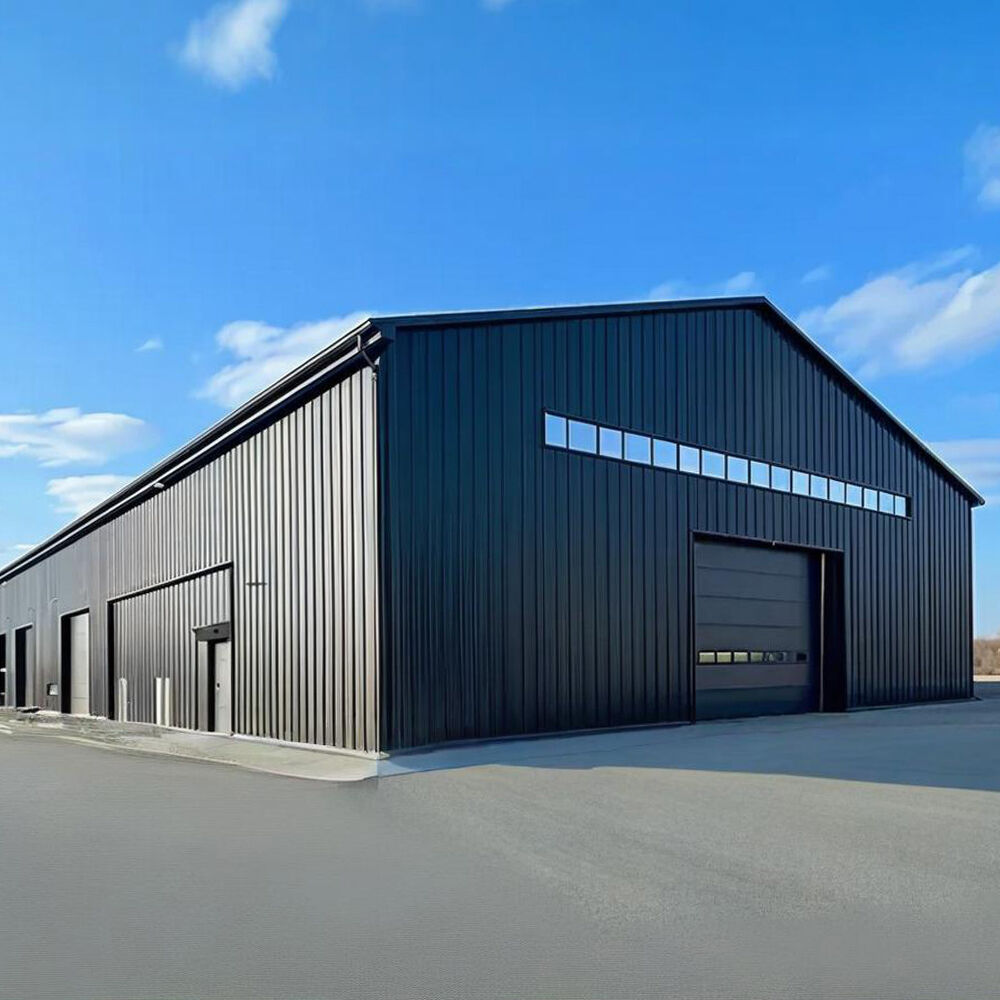
Understanding Prefab Sheds: Benefits, Materials, and Design Options
What Is a Prefab Shed and How Does It Differ from Traditional Sheds?
Prefab sheds are basically structures made in factories and shipped as complete kits with all the pieces already cut for putting together at home. Traditional sheds usually need custom framing and take forever to build, often requiring several weeks of work. Prefab versions come with standard panels ready to go, doors already hung, plus step-by-step instructions that make the whole process much smoother. The modular design cuts down building time significantly, somewhere around 30 to 50 percent faster than building from scratch according to industry reports from last year.
Key Benefits of Choosing a Prefabricated Shed for Home Use
- Cost Predictability: Prefab sheds eliminate 68% of budget overruns caused by weather delays in traditional projects (Home Improvement Trends 2023).
- Quality Assurance: Factory-controlled environments reduce material defects by 41% compared to on-site builds.
- Sustainability: Modular construction generates 52% less waste than conventional methods.
Common Materials and Designs in Prefab Shed Construction
| Material | Durability | Maintenance Needs | Best For |
|---|---|---|---|
| Steel | 25+ years | Annual inspection | High-wind regions |
| Vinyl | 15–20 years | Biannual cleaning | Moist climates |
| Wood Composite | 10–15 years | Quarterly sealing | Aesthetic-focused |
Manufacturers offer design flexibility with over 12 roof styles and features like reinforced floors (supporting up to 725 kg/m²) and UV-resistant windows. Recent innovations include integrated vapor barriers that prevent 97% of moisture intrusion in humid environments.
Planning and Site Preparation for Your Prefab Shed Installation
Choosing the Right Location: Orientation, Access, and Sun Exposure
Select a site balancing practicality and environmental conditions. Allow at least 3 feet of clearance on all sides for maintenance and airflow. Orient the entrance to avoid prevailing winds while maximizing natural light—south-facing positions typically minimize snow buildup in colder climates.
Leveling the Ground and Ensuring a Stable, Flat Surface
Proper ground preparation is critical—76% of shed failures stem from poor foundation work. Use a 4-foot level to assess gradients, removing high spots and filling low areas with compactible gravel. For slopes exceeding 2°, consider terracing or retaining walls to create a stable base.
Clearing Vegetation and Debris Before Foundation Work
Remove all organic matter within a 6-foot radius, including grass, shrubs, and decaying leaves, to prevent root intrusion and moisture retention. These materials can attract pests and compromise stability. Allow 48 hours after clearing for soil to settle before beginning foundation installation.
Checking Local Building Codes and Permit Requirements
Verify local regulations before installation—43% of U.S. jurisdictions require permits for structures over 120 square feet (American Planning Association, 2025). Pay attention to setback requirements (typically 5–15 feet from property lines) and height restrictions for gabled roofs.
Foundation Options and Best Practices for Prefab Sheds
Gravel vs. Concrete Foundations: Pros, Cons, and Suitability
Gravel bases usually run about 40 to 60 percent cheaper than concrete options and drain water really well, which makes them great choice for level ground or slightly sloped spots. Most gravel setups involve packing down around 4 to 6 inches of gravel inside some pressure treated lumber frames, something most folks can handle themselves without much trouble. For places where things get heavy or where freezing temperatures are common, concrete slabs still hold their own advantage when properly built with footings dug deep enough beneath where the ground freezes. A recent look at different shed foundation types from 2024 shows gravel tends to work better in rainy regions, whereas concrete remains the go to option for buildings that will stand for years or need multiple levels. Each has its strengths depending on what exactly needs building.
Step-by-Step Guide to Installing a Gravel Pad for Your Shed
- Mark the area: Use stakes and string to outline a space 12" wider than your shed.
- Excavate and level: Remove 6–8" of soil, ensuring a slope of 1" per 4–8 feet for drainage.
- Add stabilization: Lay landscape fabric to suppress weeds, followed by a 4" crushed stone base.
- Compact gravel: Finish with 2–4" of angular gravel, compacting every 2" using a plate compactor.
When to Use Concrete Slabs or Piers for Enhanced Stability
Concrete piers—spaced 6–8 feet apart—are ideal for uneven terrain or modular designs needing adjustable height. Slabs are best for permanent workshops, requiring a minimum 4" thickness and rebar reinforcement. Both must be built on compacted soil to prevent shifting, especially in areas with expansive clay.
Ensuring Proper Drainage and Using Vapor Barriers
Without proper vapor barriers underneath concrete, sheds tend to get mold problems about three times quicker than those that have them, as shown in recent research on moisture issues from 2023. For better drainage, it's wise to combine gravel bases with French drains around the edges while laying down at least 6 mil thick plastic sheets below the concrete slabs. The foundation should slope away from the shed by roughly a quarter inch for every foot of distance. Gutters need to stick out somewhere between five to six feet past the building's edge so rainwater doesn't pool near the base but instead flows away properly.
Assembling Your Prefab Shed: A Step-by-Step Installation Guide
Unpacking and Organizing Components from Your Shed Kit
Start off by checking every single part against what the manufacturer lists as included items. This helps spot any missing pieces before things get too far along. When putting together the structure, spread out panels, screws, and other hardware into clearly marked sections for walls, roof sections, and trim work. Getting everything organized this way makes putting it all together so much smoother. According to a recent industry report from 2024 on prefab structures, proper organization can cut down mistakes during installation by about 90 percent and save somewhere between two to three hours off the total construction time. For smaller projects especially, separating out those tiny screws and bolts into different containers really pays off when trying to find specific parts quickly without hunting through boxes.
Following Manufacturer Instructions for Accurate Assembly
Following the assembly instructions closely makes all the difference when it comes to keeping structures solid and able to withstand bad weather. Skipping steps or cutting corners often leads to problems down the road with how much weight something can hold and how long it will last overall. Take a look at what one major manufacturer recommends: they specify precise torque settings around 5 foot-pounds plus or minus for those anchor bolts, and insist that wall panels need to overlap at least an inch and a half to handle lateral forces properly. Smart builders always have their go-to tools handy while working on projects these days. A good cordless drill, a reliable level, and a trusty rubber mallet should never be far away if someone wants to get the job done right without wasting time searching for equipment halfway through.
Building the Floor, Walls, Roof Trusses, and Sheathing
Start putting together the floor frame right on top of that ready foundation. Make sure those joists are spaced no further than 16 inches apart so everything can hold up properly under weight. When it comes time for the walls, grab some good quality screws that won't rust away and fasten those panels in place. After mounting each section, take a moment to check if things are straight with a four foot level. For the roof trusses, work from middle outwards makes sense most of the time. Lay down those sheathing boards in an offset pattern rather than lining them up perfectly end to end. This little trick helps prevent any potential weak spots in the structure while making the whole thing stronger overall.
Installing Doors, Windows, and Siding for Weather Resistance
Seal window frames with silicone caulk rated for ±40°F temperature swings. Align doors with shims to ensure smooth operation, and apply self-adhering flashing tape above openings to channel water away. For siding, leave 1/8’ expansion gaps between panels to accommodate swelling in humid conditions.
Post-Installation Care, Maintenance, and Warranty Considerations
Final Inspection: Checking Alignment, Structure, and Sealing
After assembly, inspect the shed thoroughly. Use a 4' level to confirm floor and wall alignment. Check for gaps larger than 1/8" around doors and windows—these reduce energy efficiency and increase pest risk. Apply silicone caulk to joints, particularly at roof-wall connections where 38% of moisture intrusion occurs (Ponemon 2023).
Weatherproofing Joints and Preventing Moisture Damage
Reinforce corners and eaves with waterproof flashing tape. Install vinyl weatherstripping on doors and windows to block drafts, and use a dehumidifier if storing sensitive items. Inspect seals every six months, especially after storms or extreme temperature shifts.
Routine Maintenance Tips for Long-Term Durability
- Clear debris from roof gutters monthly to prevent pooling
- Re-stain or treat wood surfaces every 2–3 years with UV-resistant coatings
- Lubricate door hinges and locks annually with graphite-based lubricant
Understanding Warranty Coverage and DIY Installation Risks
Most prefab shed warranties cover structural defects for 10–15 years but exclude weather-related or misuse damage. A 2023 study found 62% of warranty claims are denied due to improper foundation work or unauthorized modifications. Document all maintenance with photos and timestamps, and consult the manufacturer before altering roof loads or wall configurations.
FAQ Section
What are prefab sheds made of?
Prefab sheds are commonly made from materials like steel, vinyl, and wood composite, each offering varying levels of durability and maintenance.
Do I need a permit to build a prefab shed?
Permit requirements vary by location, but generally, sheds over 120 square feet require a permit. It's important to check local codes before installation.
How is a prefab shed installed?
Installation involves unpacking the kit, organizing components, and following manufacturer instructions for assembly, including building the foundation, floor, walls, roof, and installing windows and doors.
Can I customize my prefab shed?
Yes, manufacturers offer various design options, including different roof styles and features such as UV-resistant windows and reinforced floors.
Table of Contents
- Understanding Prefab Sheds: Benefits, Materials, and Design Options
- Planning and Site Preparation for Your Prefab Shed Installation
- Foundation Options and Best Practices for Prefab Sheds
- Assembling Your Prefab Shed: A Step-by-Step Installation Guide
- Post-Installation Care, Maintenance, and Warranty Considerations
- FAQ Section