
 EN
EN
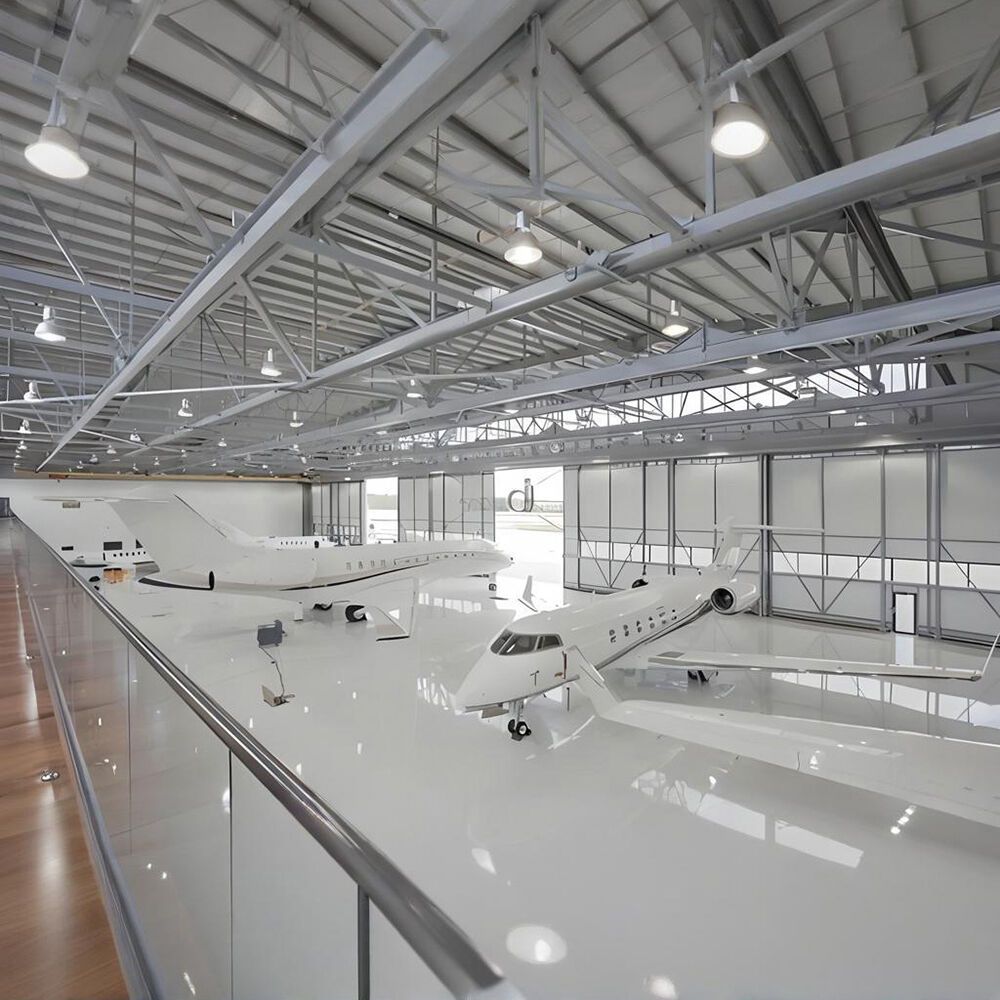
Establishing a Routine Inspection and Cleaning Schedule
Why biannual structural inspections are critical for steel structure hangar longevity
Hangars made from steel structures need checking every six months or so to spot stress points, make sure fasteners are holding up, and catch any early signs of rust before they become problems. According to a study published in 2023, hangars that get looked at twice a year end up needing about 60 percent fewer emergency fixes after fifteen years than ones only checked once per year. The real trouble spots tend to be around weld joints, base plates, and those big load bearing columns where tiny cracks often start forming especially in places where planes take off and land regularly.
Creating a preventive maintenance plan tailored to steel buildings
Develop a phase-based maintenance strategy aligned with seasonal weather patterns and operational cycles. Organizations using structured maintenance calendars reduce corrosion-related costs by 35% annually, according to industrial maintenance research. Key elements should include:
- Condensation control before humid seasons
- Post-storm debris removal protocols
- Load-bearing capacity verification after equipment upgrades
Case Study: Extending service life of an airfield hangar through consistent cleaning and inspection
A Midwest airfield extended the lifespan of its 1980s-era steel hangar by 22 years through quarterly cleaning and moisture mapping. By using grit-blasting for salt deposits and drone-assisted roof inspections, the facility avoided $2.8M in replacement costs while maintaining FAA compliance.
Leveraging digital checklists and drone technology for efficient steel structure monitoring
Modern teams use 360° camera drones equipped with AI-powered corrosion detection to inspect 50,000 sq ft hangars in just three hours—compared to two days for manual surveys. Cloud-based platforms automatically track fastener torque values and coating thickness across maintenance cycles, improving consistency and accountability.
Step-by-step guide to inspecting and cleaning steel panels, frames, and joints
- Pressure wash surfaces at 1,200–1,500 PSI, avoiding damage to sealants
- Probe column bases with a 10mm stainless steel pick to test for concrete spalling
- Apply non-ionic surfactants to dissolve hydrocarbon buildup on crane runway beams
- Document findings using ASTM D610-compliant rust grading scales
Detecting and Assessing Rust and Corrosion in Steel Structure Hangars
Common Rust-Prone Areas in Steel Structure Hangars and Their Warning Signs
Rust typically begins at joints, base plates, and beneath protective coatings. A 2019 Journal of Cleaner Production study found that 78% of corrosion in industrial steel buildings starts at overlapping seams or welded connections due to trapped moisture. Early indicators include:
- Discoloration (reddish-brown streaks near fasteners)
- Paint blistering (a sign of moisture infiltration under coatings)
- Flaking surfaces (common on columns exposed to de-icing salts)
Early Detection Techniques to Prevent Widespread Corrosion Damage
Proactive identification reduces repair costs by up to 60%. Biannual visual inspections should prioritize roof eaves, door tracks, and foundation connections. For inaccessible zones, facilities using hygrometers and infrared scanners detect 3.2 times more hidden moisture pockets than those relying on manual checks alone.
Case Study: Reducing Repair Costs by 40% With Proactive Rust Identification in an Industrial Hangar
A Midwest aviation facility implemented biometric drone scans and weekly moisture mapping, identifying 27 corrosion hotspots in critical roof trusses. This approach prevented structural degradation and cut annual maintenance expenses from $18,000 to $10,800 within two years.
Using Infrared Thermography and Moisture Sensors for Detecting Hidden Corrosion
Infrared cameras (sensitive to ±0.1°C variations) can detect corrosion under insulation, while resistive moisture sensors trigger alerts when wall cavity humidity exceeds 60%—a threshold linked to accelerated rust formation.
Integrating Comprehensive Rust Assessment Into Regular Maintenance Routines
Facilities combining quarterly electrochemical impedance spectroscopy with semi-annual coating adhesion checks report 92% fewer emergency repairs related to corrosion, based on 2023 data from leading structural engineering associations.
Effective Rust Prevention and Treatment Strategies for Steel Structures
How Environmental Exposure Accelerates Rust Development in Steel Structure Hangars
Coastal humidity, industrial pollutants, and temperature fluctuations accelerate steel corrosion by 200% compared to controlled environments (NACE 2023). Salt particles in marine air create electrolyte pathways, while thermal cycling promotes condensation on structural joints. In hangars near chemical plants, acidic deposits degrade protective coatings at rates exceeding 15 µm/year.
Best Practices for Rust Prevention and Long-Term Corrosion Control
Key strategies to protect steel structure hangars include:
- Conduct quarterly inspections of weld points and base plates using infrared moisture sensors
- Apply epoxy-zinc primers followed by polyurethane topcoats for over 25 years of protection
- Replace damaged fasteners within 48 hours to prevent galvanic corrosion
- Maintain at least 12 inches of ground clearance for structural columns in flood-prone areas
Galvanization vs. Sacrificial Anodes: Evaluating Options for High-Humidity Environments
| Method | Durability | Maintenance Interval | Ideal Use Case |
|---|---|---|---|
| Hot-Dip Galvanizing | 40–50 years | None | Primary structural beams |
| Sacrificial Anodes | 15–20 years | 5-year replacement | Underground components |
| Thermal Spray Zinc | 30–35 years | 10-year inspection | Complex geometric shapes |
Galvanizing provides full coverage for load-bearing elements, while sacrificial anode systems better protect submerged foundations in brackish conditions.
Repairing Scratches and Corroded Areas Using Cold Galvanizing Compounds
For spot repairs under 6" in diameter, cold galvanizing compounds with 92% zinc dust restore cathodic protection when applied at 3 mil thickness. Mask adjacent areas and prepare surfaces with rotary wire brushes per SSPC-SP 11 standards. Field tests confirm these repairs withstand over 1,200 hours of salt spray without failure.
Applying and Maintaining Protective Coatings and Sealants
Understanding how UV exposure and moisture degrade paint and sealants over time
UV radiation breaks down polymer chains in coatings, causing brittleness and fading, while moisture accelerates electrochemical corrosion at the steel interface. In coastal and high-humidity environments, unprotected steel can lose 0.5–1.2 mm of thickness annually due to salt-rich atmospheres.
Choosing the right protective coatings to maximize durability of steel structure hangars
Coating performance hinges on three factors: resistance to chemicals (salt, fuel, deicing fluids), flexibility during thermal expansion, and adhesion strength. Epoxy-polyurethane hybrid systems now dominate aviation projects, offering 12–15 years of protection—nearly double the 6–8 years provided by conventional alkyd enamels.
Case Study: Enhancing coating lifespan in a military aircraft hangar with epoxy-polyurethane systems
A coastal U.S. Air Force facility extended its recoating cycle from 8 to 14 years after adopting a three-layer epoxy-polyurethane system. Infrared scans showed 78% less sub-coating corrosion versus their prior zinc-rich primer, saving $320K in maintenance costs over a decade.
Reapplication protocols for paint and sealant renewal to ensure continuous protection
| Stage | Key Action | Industry Standard |
|---|---|---|
| Surface Prep | Remove 95%+ of existing coatings via abrasive blasting | SSPC-SP 11/NACE No. 5 |
| Primer | Apply zinc-rich epoxy within 4 hours of blasting | Dry film thickness ≥3 mil |
| Topcoat | Spray polyurethane between 60–85°F | Cross-hatch adhesion ≥4B |
All recoating projects must include holiday detection testing and 30-day post-application adhesion checks to ensure long-term performance.
Managing Moisture, Ventilation, and Critical Components
Preventing condensation through proper ventilation and insulation strategies
Excess moisture causes 60% of preventable steel degradation, according to 2023 infrastructure studies. Install continuous ridge vents with intake louvers to achieve 4–6 air changes per hour, a benchmark proven to suppress condensation in temperate climates. Closed-cell spray foam insulation offers a 0.5 perm rating, blocking 98% of moisture migration while retaining thermal efficiency.
Installing vapor barriers and mechanical ventilation to control internal humidity
Polyethylene vapor barriers (minimum 6 mil) reduce humidity infiltration by 87% when paired with dehumidification systems maintaining 45–55% RH levels. Research shows that combining barriers with centrifugal roof ventilators (1 CFM/sq ft capacity) eliminates 90% of humidity-related corrosion risks in hangars.
Maintaining doors, roof integrity, and fasteners to prevent water ingress
Check those door seals at least once every three months with what folks call the dollar bill test. If there's some resistance when trying to pull a bill out from between the door and frame after closing it, then things are sealing properly. For roof panels, don't forget to re-caulk those joints somewhere around every three to five years. Polysulfide sealants work much better against UV damage compared to regular silicone stuff, about forty percent improvement actually. And when those metal fasteners start showing signs of oxidation, swap them out for Grade 316 stainless steel versions. This simple change can cut down on water getting in through those spots by roughly thirty percent, making a real difference in long term maintenance issues.
Clearing gutters, downspouts, and grading terrain for effective drainage management
To manage runoff effectively, the ground around hangars should be sloped at least 2% so it can move away more than 1,200 gallons of water each day from standard 20,000 square foot structures. Going beyond standard specs, installing those big 6 inch gutters with good quality leaf guards makes a real difference. From what we've seen in actual installations, these systems can deal with roughly half again as much rainwater compared to regular ones, plus they get clogged way less often. During autumn months when leaves are falling constantly, it's smart practice to clear out any buildup every other week or so. Keeping water moving through the system at speeds above 2.5 feet per second helps stop problems like ice dams forming on roofs and protects against damage to building foundations caused by standing water.
Frequently Asked Questions
How often should steel structure hangars be inspected for maintenance?
Steel structure hangars should be inspected every six months to identify stress points, ensure fasteners are intact, and detect early signs of rust to prevent significant issues.
What technologies can be utilized for efficient inspection of large hangar spaces?
Drones equipped with 360° cameras and AI-powered corrosion detection are effective for inspecting hangars efficiently, reducing inspection time compared to manual surveys.
How do environmental factors like humidity and pollutants affect steel structures?
Environmental exposure such as coastal humidity and pollutants accelerates corrosion, necessitating tailored maintenance practices like applying protective coatings and performing regular inspections.
What are the recommended practices for rust prevention in steel hangars?
Rust prevention includes quarterly inspections with infrared sensors, applying epoxy-zinc primers and polyurethane topcoats, and ensuring structural components have adequate ground clearance in flood-prone areas.
How can moisture management improve the longevity of steel hangars?
Proper ventilation, insulation, vapor barriers, and mechanical ventilation control internal humidity, preventing condensation and reducing the risk of corrosion significantly.
Table of Contents
-
Establishing a Routine Inspection and Cleaning Schedule
- Why biannual structural inspections are critical for steel structure hangar longevity
- Creating a preventive maintenance plan tailored to steel buildings
- Case Study: Extending service life of an airfield hangar through consistent cleaning and inspection
- Leveraging digital checklists and drone technology for efficient steel structure monitoring
- Step-by-step guide to inspecting and cleaning steel panels, frames, and joints
-
Detecting and Assessing Rust and Corrosion in Steel Structure Hangars
- Common Rust-Prone Areas in Steel Structure Hangars and Their Warning Signs
- Early Detection Techniques to Prevent Widespread Corrosion Damage
- Case Study: Reducing Repair Costs by 40% With Proactive Rust Identification in an Industrial Hangar
- Using Infrared Thermography and Moisture Sensors for Detecting Hidden Corrosion
- Integrating Comprehensive Rust Assessment Into Regular Maintenance Routines
-
Effective Rust Prevention and Treatment Strategies for Steel Structures
- How Environmental Exposure Accelerates Rust Development in Steel Structure Hangars
- Best Practices for Rust Prevention and Long-Term Corrosion Control
- Galvanization vs. Sacrificial Anodes: Evaluating Options for High-Humidity Environments
- Repairing Scratches and Corroded Areas Using Cold Galvanizing Compounds
-
Applying and Maintaining Protective Coatings and Sealants
- Understanding how UV exposure and moisture degrade paint and sealants over time
- Choosing the right protective coatings to maximize durability of steel structure hangars
- Case Study: Enhancing coating lifespan in a military aircraft hangar with epoxy-polyurethane systems
- Reapplication protocols for paint and sealant renewal to ensure continuous protection
-
Managing Moisture, Ventilation, and Critical Components
- Preventing condensation through proper ventilation and insulation strategies
- Installing vapor barriers and mechanical ventilation to control internal humidity
- Maintaining doors, roof integrity, and fasteners to prevent water ingress
- Clearing gutters, downspouts, and grading terrain for effective drainage management
-
Frequently Asked Questions
- How often should steel structure hangars be inspected for maintenance?
- What technologies can be utilized for efficient inspection of large hangar spaces?
- How do environmental factors like humidity and pollutants affect steel structures?
- What are the recommended practices for rust prevention in steel hangars?
- How can moisture management improve the longevity of steel hangars?