
 EN
EN
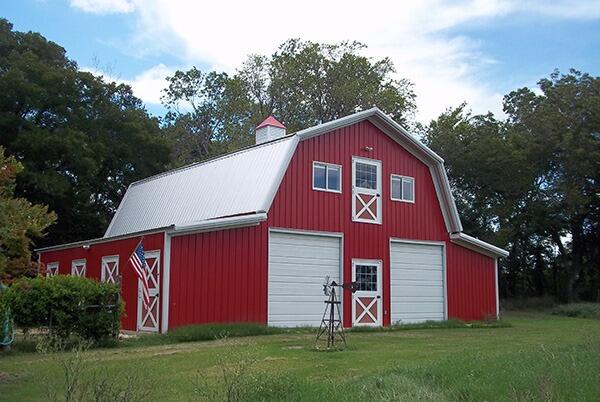
Seal Entry Points: The First Line of Defense for Prefabricated Barns
Identifying high-risk gaps in prefabricated barn seams, joints, and utility penetrations
Tiny cracks and holes can let pests sneak into buildings. Metal barns have real trouble spots where panels meet, corners come together, and utilities pass through walls. These include things like wires running through walls, pipes sticking out, and air conditioning ducts entering the structure. The materials here tend to move around as temperatures change throughout the day. According to recent pest control data from last year, nearly four out of five rodent problems in steel buildings started right at these service entry points. Checking for problems regularly matters a lot. Grab a flashlight and look closely along all those seams and places where stuff goes through walls. Pay special attention down near the floor where walls meet the ground, and up where roofs connect to walls since these areas tend to develop bigger gaps over time as the building settles or gets worn down by weather. Making notes about what needs fixing once a year helps stop small issues before they turn into big entry points for unwanted guests.
Selecting and applying pest-resistant sealants (silicone, polyurethane, expanding foam) for metal and composite structures
Some sealants just don't cut it in barn settings where moisture builds up and critters love to nibble. Silicone works great for sealing those metal parts that expand and contract with temperature changes because it stays flexible enough to resist teeth marks from rodents. When dealing with bigger spaces over a quarter inch wide in wooden beams or composite materials, go for expanding foam specifically marked as rodent resistant. Regular old foam gets chewed right through by pests looking for shelter. Polyurethane sealant sticks better to rough spots and cracks, making it ideal for tricky joints, though remember to shield it from sun exposure since UV light can break it down over time. Getting good results means paying attention to details during installation.
- Cleaning surfaces thoroughly to remove dust and grease
- Backfilling gaps exceeding 1/2 inch with copper mesh before sealing
- Tooling sealants into joints for maximum adhesion
- Reapplying every 3-5 years-silicone lasts longest under UV exposure
Control Moisture and Foundation Integrity to Deter Pest Habitats
Grading, Drainage, and Foundation Sealing to Eliminate Moisture-Driven Pest Attraction
Keeping moisture under control stops pests from moving in because they lose their favorite spots to hide. Landscaping should slope away from barn foundations at least 6% so water doesn't pool around them. Putting in French drains works wonders too these consist of perforated PVC pipes wrapped in gravel placed next to footings to catch water below ground level. Concrete bases need cracks sealed using polyurethane injections while metal buildings call for special sealants such as silicone or butyl tape at joints. Barns that handle drainage well tend to have about 70% fewer rodent problems since those wet nesting areas disappear. When dealing with crawl spaces underneath barns, covering roughly 95% of the dirt with 6 mil plastic sheeting blocks most ground moisture from getting up into the structure.
Installing Physical Barriers (e.g., Galvanized Mesh, Gravel Buffers) at the Foundation Perimeter
Putting up permanent physical barriers helps protect those weak spots where pests can get into foundations. For underground protection, dig down about 12 inches and install 24 gauge galvanized steel mesh with half inch grids. Add a six inch L-shaped angle at the bottom to stop critters like voles and rats from digging through. When dealing with areas above ground, create an 18 inch wide gravel zone around the perimeter using three quarter inch crushed stone. The rough edges of this stone make it hard for animals to nest or dig tunnels. Don't forget to include moisture wicking materials between concrete slabs and foundation walls to keep dampness from creating entry paths. Barns that combine both mesh and gravel systems see roughly 83 percent fewer pest problems compared to buildings without such defenses. To keep these barriers working properly, check all the seals once every season and replace any damaged parts right away before they become bigger issues.
Design and Material Selection for Inherently Pest-Resistant Prefabricated Barns
Choosing pest-deterrent materials: corrugated steel, non-organic insulation, and treated framing
What materials get used makes all the difference when it comes to keeping pests away from prefabricated barns. Steel panels that are corrugated form a real tough wall against those pesky rodents who love to chew and insects that try to dig in. Plus, the galvanized coating stops rust spots from forming which could weaken the structure over time. When looking at insulation options, closed cell spray foam beats regular stuff like cellulose or fiberglass hands down. Since it doesn't contain any organic material, bugs don't find it appealing for nesting, plus it fills up every tiny crack and crevice. The framing should always include pressure treated wood mixed with borates. These compounds work wonders against termites and carpenter ants because they mess with how these critters digest things. Putting together this combination of materials basically cuts off three main things pests need survival: places to eat, spots to make nests, and weak points in the structure where they can break through.
Integrating pest-proof ventilation (e.g., fine-mesh soffit vents, ridge vent guards)
Special pest proofing is needed for proper ventilation systems if we want to stop unwanted critters from sneaking in. Stainless steel mesh soffit vents work well when they have openings no bigger than 1/16 inch. That size keeps out most bugs while still letting air flow through normally. When dealing with ridge vents, it makes sense to install baffles along with layered mesh screens. This combination stops rain blown by strong winds and also keeps birds and bats away. Keeping indoor humidity under 60% matters a lot because once moisture goes over that mark, pests start showing up in much greater numbers. Don't forget regular cleaning too. Making sure there's no buildup of debris around these vents helps maintain their effectiveness against unwanted intruders over time.
Manage Surroundings and Storage to Eliminate Pest Triggers
Landscape zoning and vegetation clearance within 3 feet of the prefabricated barn envelope
Keep at least three feet clear of plants around any prefab barn to stop pests from setting up shop right next door. When grass grows too tall, bushes spread out, or leaves pile up on the ground, these become perfect spots for critters to nest and hide. Plus, all that greenery holds moisture against the building walls which can cause problems over time. Get rid of everything growing close and put down some gravel or broken stones instead. These hard surfaces don't offer much in the way of shelter or snacks for unwanted visitors. Make sure no tree branches hang within ten feet of the roof either since squirrels and other climbing pests love to use them as bridges into the barn. Studies show this kind of spacing cuts down pest issues by about two thirds because it breaks their usual paths between hiding places. Check the area regularly to keep things cleared out properly and spot any new growth before it becomes a problem.
Rodent-proof feed and supply storage: sealed containers, elevated platforms, and audit-ready protocols
Implement triple-layer protection for stored materials using:
- Sealed containers: Airtight bins with locking lids-preferably polypropylene or metal-to prevent gnawing access
- Elevated platforms: Storage at least 18" above ground on metal stands with inverted cone barriers to block climbing rodents
- Audit protocols: Bi-weekly inspections for droppings, chew marks, or container breaches; maintain digital logs with photo documentation
This approach directly addresses the primary pest attractant-food sources-while creating verifiable compliance records. Proper storage reduces rodent infestations by 85% compared to unprotected supplies.
Implement Integrated Pest Management (IPM) for Sustainable Prefabricated Barn Protection
Proactive monitoring: inspection schedules, early-sign detection, and digital log templates
Setting up regular monitoring is key for good IPM practices. Check areas twice a month where pests tend to enter buildings, especially around electrical boxes and places where walls meet floors. Keep records using simple digital forms that show what's happening over time with insect activity. Spotting small signs early matters a lot - things like insect droppings, bits of paper they've gathered, or damp spots on surfaces can signal bigger problems ahead. Good record keeping helps spot when certain pests come back season after season and pinpoints weak spots in building defenses. Makes sense to adjust pest control methods based on actual observations instead of guesswork. Buildings that stick with this method typically cut down on emergency pesticide applications by about two thirds without compromising the structure itself.
Preventive treatments and annual IPM audits tailored to prefabricated barn construction
Tailoring non chemical pest control approaches to fit the specific design of barns makes all the difference. For instance, putting rodent proof collars around support posts or spreading silica dust into wall cavities works wonders compared to traditional spray methods used elsewhere. Every year, regular inspections need to check how well seals hold at panel connections, look for damp spots in insulation materials, and ensure proper airflow through the building these are especially important concerns for metal frame constructions. When dealing with prefabs, create special plans that tackle their particular vulnerabilities. Place baits strategically along those horizontal framing tracks where critters tend to move around. The numbers back this up too studies from multiple farms over several years show that sticking to these barn focused inspection routines stops about 8 out of 10 potential infestation problems before they start.
Frequently Asked Questions (FAQ)
What are the critical entry points for pests in prefabricated barns?
The critical entry points for pests in prefabricated barns are often found at panel seams, joint corners, and utility penetrations such as places where wires, pipes, and air conditioning ducts pass through walls.
What are the best materials for sealing barns against pests?
Silicone, polyurethane, and expanding foam are among the best materials for sealing barns against pests, each providing solutions suited for different materials and gap sizes.
How can I prevent moisture from attracting pests into my barn?
Prevent moisture by ensuring proper grading and drainage, using foundation sealing techniques, and installing barriers like galvanized mesh and gravel buffers to keep pests at bay.
What construction materials are recommended for pest-resistant prefabricated barns?
Corrugated steel, non-organic insulation like closed cell spray foam, and pressure-treated framing combined with borates are recommended for creating pest-resistant prefabricated barns.
Why is inspecting regularly important in pest management for barns?
Regular inspections allow for early detection of pest activities, helping in formulating targeted pest control strategies, thereby reducing the need for emergency pesticide applications.
Table of Contents
- Seal Entry Points: The First Line of Defense for Prefabricated Barns
- Control Moisture and Foundation Integrity to Deter Pest Habitats
- Design and Material Selection for Inherently Pest-Resistant Prefabricated Barns
- Manage Surroundings and Storage to Eliminate Pest Triggers
- Implement Integrated Pest Management (IPM) for Sustainable Prefabricated Barn Protection
-
Frequently Asked Questions (FAQ)
- What are the critical entry points for pests in prefabricated barns?
- What are the best materials for sealing barns against pests?
- How can I prevent moisture from attracting pests into my barn?
- What construction materials are recommended for pest-resistant prefabricated barns?
- Why is inspecting regularly important in pest management for barns?