
 EN
EN
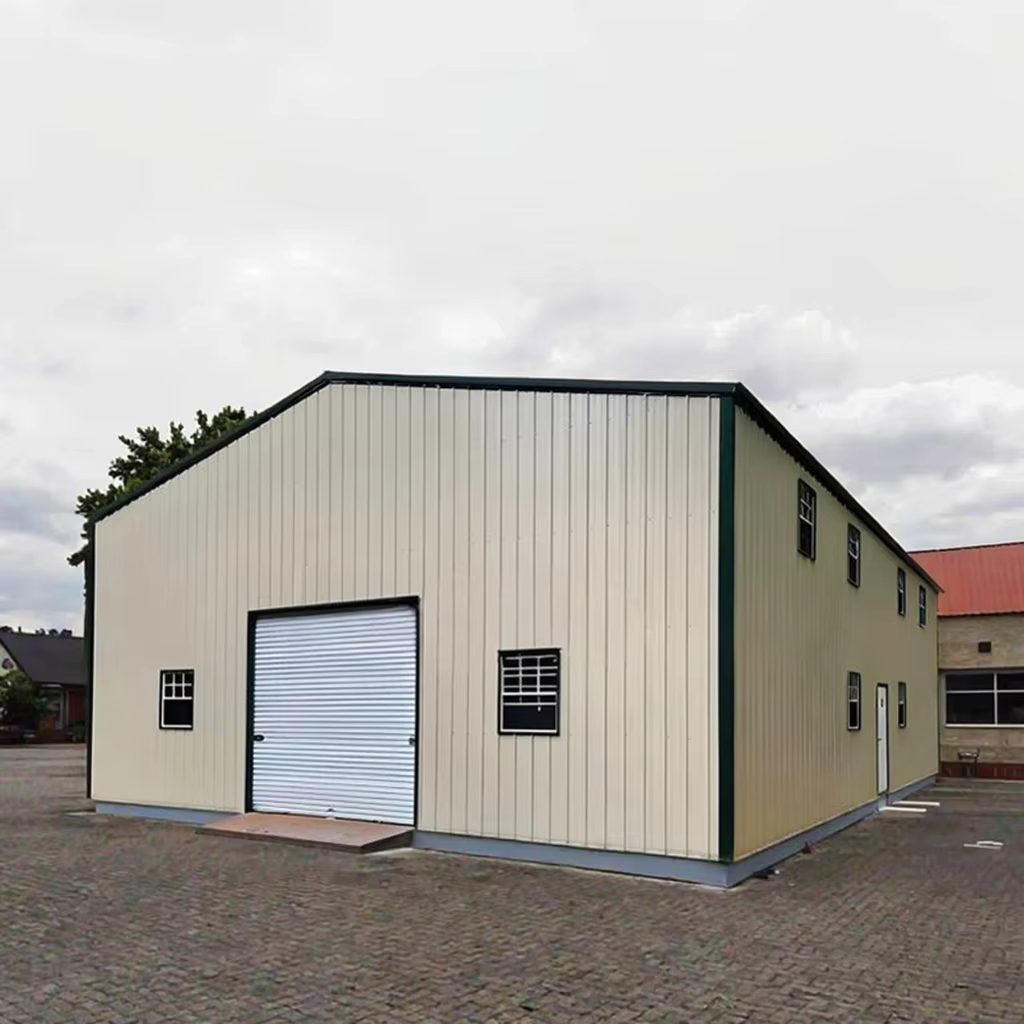
Why Wind Resistance Matters for Your Prefab Shed
In high-wind regions—coastal zones, tornado alleys, and open plains—standard prefab sheds face catastrophic failure risks. Winds exceeding 90 mph exert lateral pressures equivalent to a small car striking the walls every second, potentially launching unanchored structures into homes, vehicles, or power lines. The consequences are real and measurable:
- Property damage: Collapsed sheds destroy stored equipment valued at $5,000–$15,000 on average
- Safety hazards: Wind-borne debris causes over 200 injuries annually in the U.S. during windstorms (NOAA, 2023)
- Insurance impacts: Structures lacking verified wind compliance void coverage in 68% of wind-related claims (Insurance Information Institute, 2022)
Wind resistance engineering tackles these problems not only by making components stronger, but also by how everything works together as a system. Sheds built to withstand over 140 miles per hour winds, which is about Category 4 hurricane strength, stay intact because of their reinforced joints that actually soak up some of the force from the wind. The shape matters too. These structures have smoother curves and angles that reduce lift forces by roughly 40% compared to those square-looking buildings we see everywhere. And let's not forget about the ground connection. Proper anchoring systems have been tested and shown they can prevent those sudden sideways gusts called microbursts from flipping over even the heaviest sheds during storms.
Beyond storm survival, wind-resilient sheds deliver three times the service life in harsh climates—eliminating premature replacement costs while safeguarding tools, seasonal gear, and hazardous materials like fuel or chemicals from environmental release.
Key Structural Features That Make a Prefab Shed Wind-Resistant
Reinforced framing and continuous load path engineering
The strength against wind starts right at the bones of the building itself. When builders reinforce the frame with thicker wood or high-quality steel at key spots, they're setting up better protection. What really matters though is how all those parts work together as one system. Wind force needs to move smoothly from the roof down through walls, across floors, and finally into the ground below. This happens because of special metal connectors that join everything properly. Factory built structures have advantages over ones constructed on-site since manufacturers can maintain much tighter standards. Think about things like keeping studs no more than 16 inches apart, installing hurricane straps wherever rafters meet walls, and adding extra support corners with three layers instead of just one. These details make buildings incredibly sturdy. Tests show these kinds of systems hold up when winds hit over 150 miles per hour, something regular sheds simply cannot do. Be wary of any product claiming wind resistance unless there's proper certification somewhere visible. Real durability comes from having clear documentation showing how forces travel through the structure, signed off by someone who knows what they're doing in engineering circles.
Aerodynamic roof design: Hip, low-pitch, and standing seam advantages
The shape of a roof makes a big difference when it comes to how wind behaves around a building. Hip roofs, those with slopes on all four sides, tend to handle wind better than traditional gable roofs according to wind tunnel testing referenced in ASCE 7-22 Annex D. These hip designs deflect strong gusts sideways instead of creating dangerous upward forces that can lift off parts of the roof. Roofs with lower pitches below a 6:12 slope also stand up better against wind forces. For metal roofing specifically, standing seam systems are superior because they lock panels together using hidden fasteners that hold firm even when winds reach speeds over 110 miles per hour. Good quality manufacturers go the extra mile by adding reinforced edges at the eaves and installing special wind baffles that guide air movement around the building rather than letting it get underneath. Anyone building near the coast should definitely look for these kinds of features along with completely sealed seams to keep water from getting inside during heavy storms with driving rain.
Proper Anchoring and Foundation Systems for High Winds
Matching anchoring type (concrete piers, helical anchors, slab mounts) to soil and exposure
A shed’s wind resistance is only as strong as its connection to the ground. Uplift forces during storms can exceed 1,000 pounds per square foot—demanding foundation systems engineered for your specific site. Three primary options exist, each suited to distinct conditions:
- Concrete piers excel in stable, well-drained soils where deep footings anchor into compact subsoil layers. They resist lateral movement effectively—but require soil testing to confirm bearing capacity before installation.
- Helical anchors screw into unstable, sandy, or saturated soils, using helical plates to distribute loads across multiple strata. Per Structural Engineering International (2023), they outperform concrete piers by 40% in uplift resistance in loose substrates.
- Concrete slab mounts, anchored with embedded J-bolts, provide maximum rigidity in high-wind zones (140+ mph). Ideal for flood-prone sites, they demand perfectly level terrain and proper drainage to avoid hydrostatic pressure buildup.
The type of soil makes all the difference for stability. Clay soils tend to swell up when they get wet, which can cause problems for concrete foundations over time. Sandy ground is different though - it usually needs special helical anchors because regular ones just won't hold properly. For properties near the coast, there's another consideration altogether. Salt air eats away at metal pretty fast, so most professionals recommend using either hot-dipped galvanized steel or stainless steel components instead of regular iron. When picking out anchor systems, don't forget to check those local wind charts too. The manufacturer specs matter a lot here. Take a shed designed to handle winds up to 110 miles per hour as an example. According to the latest standards from ASCE 7-22, if that shed sits in what's called Exposure Category D territory (think open fields or beachfront property), the anchors need to be about 20% stronger than what might be specified for other areas. This kind of attention to detail ensures structures stay secure no matter what Mother Nature throws their way.
Wind-Resistant Materials and Components for Prefab Sheds
Material selection isn’t secondary—it’s foundational. Compromised cladding, corroded fasteners, or weak sheathing often initiate failure during high-wind events, making component integrity as critical as structural design.
Durable cladding (fiber cement, LP SmartSide), corrosion-resistant fasteners, and structural insulated panels (SIPs)
Materials like fiber cement and engineered wood products such as LP SmartSide stand up well against flying debris during storms and stop water from getting inside buildings, which is a big problem in areas near the coast or where humidity levels are high. These building materials stay stable in shape and maintain their strength even when winds blow harder than 140 miles per hour. For fastening purposes, corrosion-resistant options made from hot-dipped galvanized steel help prevent joints from breaking down because of rust over many years. Research indicates that these fasteners keep around 90 percent of their initial strength after being exposed to coastal conditions for three decades. Structural Insulated Panels, or SIPs for short, consist of foam insulation trapped between layers of oriented strand board. They create solid walls that spread out wind pressure across the whole wall surface instead of concentrating it in certain spots. Testing according to ASTM E72 standards shows SIPs can handle sideways forces better than traditional framing methods by about 40 percent. When all these elements work together, the exterior covering, hidden connections, and insulation layer combine to make buildings much more resilient against strong winds.
Verifying Real Wind Performance: Ratings, Certifications, and Red Flags
Decoding wind speed ratings (140 mph vs. 180+ mph), ICC-500, and engineered vs. ‘wind-rated’ marketing claims
Wind speed ratings are based on actual testing, not just guesswork or theory. For example, something rated at 140 mph can handle basic hurricane conditions similar to an EF2 tornado or Category 4 storm. Coastal areas where storms hit hard need equipment rated above 180 mph, especially those falling under Exposure Category D regulations. These numbers come from wind tunnel tests following the latest ASCE 7-22 guidelines. There's also the ICC-500 standard originally created for community storm shelters. When builders apply this to storage sheds, it shows serious engineering work went into them. But honestly, most homes don't need anything that robust unless they're in really dangerous locations.
Crucially, the term “wind-rated” has no legal or technical definition and carries no enforcement weight. True wind resilience requires engineer-certified design backed by:
- Third-party test documentation (e.g., Miami-Dade Notice of Acceptance reports)
- Compliance with regional building codes (IBC Chapter 16, ASCE 7-22)
- Site-specific wind load calculations signed and sealed by a licensed Professional Engineer
Red flags include vague claims like “built for high winds” without mph specifications, absence of a PE stamp, or missing ICC-ES evaluation reports. Verify certifications through authoritative databases like ICC NTA or the Miami-Dade Product Control Division—not manufacturer websites alone.
FAQ
What does wind resistance mean for prefab sheds?
Wind resistance in prefab sheds refers to the structural and material configurations that enable them to withstand high wind forces. This includes reinforced joints, aerodynamic roof designs, and proper anchoring systems.
Why are proper foundation systems important for shed wind resistance?
Foundation systems anchor the shed to the ground, preventing uplift forces during storms from exceeding 1,000 pounds per square foot. The choice of foundation depends on soil type and exposure conditions, ensuring stability against wind forces.
How can I verify a shed's wind-resistance claims?
Verify certifications through authoritative databases like ICC NTA or the Miami-Dade Product Control Division. Look for third-party test documentation, compliance with regional building codes, and site-specific wind load calculations signed by a licensed Professional Engineer.