
 EN
EN
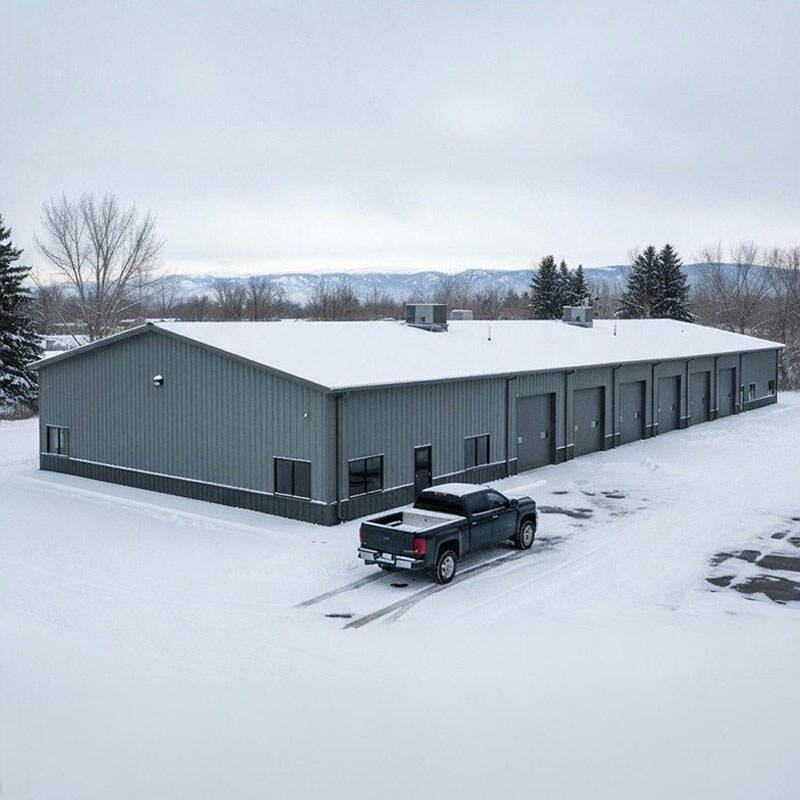
A 120,000-square-foot distribution center outside Buffalo, New York, went through two roof collapses in five years. The first one happened during a late-winter nor'easter that dumped 28 inches of snow over 48 hours. The second occurred the following season when a rain-on-snow event added nearly 15 pounds per square foot of unexpected weight on top of existing accumulation. Both failures traced back to the same root cause: the building had been engineered to outdated load specifications that didn't account for the region's actual weather patterns.
Stories like this play out across the northern tier of the United States and in coastal wind zones every year. The difference between a steel building that stands for decades and one that fails within its first few years comes down to one thing—getting the wind and snow load calculations right from the start. Not close. Not “good enough for this area.” Right.
Why Local Climate Data Matters More Than Generic Ratings
A common mistake among buyers is assuming that a steel building rated for a certain wind speed or snow depth will perform identically everywhere. That assumption doesn't hold up under real-world conditions. Wind loads vary significantly based on terrain, building height, and exposure category. A building sitting on an open plain in Kansas experiences wind differently than the same structure tucked into a valley in western Pennsylvania. Snow loads depend on ground snow density, altitude, and the thermal properties of the roof system.
The 2024 International Building Code, which references ASCE 7-22 as its loading standard, shifted the approach from generalized regional maps to site-specific targeting. That change wasn't cosmetic. Ground snow loads under the new standard are roughly 12 percent higher on average across the country, with some mountainous and northern regions seeing much steeper increases. Wind load requirements also became more demanding at building edges and corners, where uplift pressures reach their peak. A steel building engineered to ASCE 7-16 or older standards may not pass inspection under current codes.
Reading the Load Tables Like a Pro
The engineering drawings that come with a steel building package tell the full story—if you know what to look for. Two numbers deserve special attention: the design wind speed and the ground snow load. These aren't suggestions. They're the baseline figures that determine every structural member, connection, and foundation detail.
For wind, the critical figure is the basic wind speed, expressed in miles per hour, tied to a specific risk category. ASCE 7-22 introduced more granular wind speed maps that account for site-specific exposure conditions. A building with a 170-mph wind rating doesn't automatically qualify for every location that experiences high winds. The rating has to match the exposure category, the building's mean roof height, and the topographic factors of the site.
For snow, the ground snow load—measured in pounds per square foot—serves as the starting point. From there, the design snow load gets adjusted for roof slope, thermal factor, and exposure. The rain-on-snow surcharge, a new provision in ASCE 7-22, adds another layer of complexity. This factor accounts for the rapid weight gain that occurs when rain falls on existing snow accumulation, a condition that has caused multiple roof failures across the northern U.S. in recent years.
A Real-World Selection Process: The Mountain Warehouse Project
A project in the Rocky Mountain region illustrates how the selection process plays out in practice. The client needed a 40,000-square-foot storage facility at an elevation of 7,200 feet. The site experienced winter gusts over 100 mph and annual snowfall exceeding 200 inches. Initial quotes from three suppliers ranged widely—not just in price, but in the engineering assumptions behind the numbers.
One supplier quoted a building based on ground snow loads from the old ASCE 7-10 maps, which understated the requirement by nearly 30 percent. Another proposed a design that met the wind load but failed to account for drift loading—the uneven snow accumulation that forms when wind blows snow off one roof section and deposits it on another. Only the third supplier ran the numbers through the current ASCE 7-22 hazard tool, incorporating the site's specific latitude, longitude, and exposure conditions.
That building went up without issues and has now weathered three heavy winter seasons. The other two designs, had they been built, would have faced serious structural risks. The lesson is straightforward: the cheapest quote often reflects the most aggressive—and riskiest—engineering shortcuts.
The Numbers That Separate Safe from Sorry
The table below shows how design loads can differ between the old and new standards for a typical building in a northern climate zone:
|
Load Parameter
|
ASCE 7-10 (Previous)
|
ASCE 7-22 (Current)
|
Difference
|
|---|---|---|---|
|
Ground Snow Load (psf)
|
55
|
62
|
+12.7%
|
|
Design Wind Speed (mph)
|
115
|
120
|
+4.3%
|
|
Rain-on-Snow Surcharge
|
Not required
|
+5 psf
|
New requirement
|
|
Edge Zone Wind Pressure (psf)
|
28
|
34
|
+21.4%
|
These aren't academic differences. They translate directly into heavier gauge steel, tighter fastener spacing, and more robust framing at the corners and eaves. A building designed to the older standard might look identical on paper but would lack the structural capacity to handle the loads it would actually face.
What the Manufacturer Should Provide
Any reputable steel building supplier should deliver three things before fabrication begins. First, stamped engineered drawings that clearly state the design wind speed and ground snow load used for the calculations. Second, a certification that the design complies with the current ASCE 7 standard referenced by the local building code. Third, load tables or calculation summaries that show how the structural members were sized to meet those requirements.
If a supplier hesitates to provide these documents or tries to downplay their importance, that's a red flag. The engineering package isn't paperwork—it's the foundation of the building's performance. Skipping or shortcutting this step is how buildings end up like that Buffalo distribution center: compromised from day one.
Making the Final Call
Selecting the right steel building for high wind and snow load regions comes down to doing the homework upfront. That means knowing the site-specific design loads, verifying that the supplier's engineering matches those numbers, and rejecting any proposal that cuts corners on the structural calcs. The extra cost for heavier framing and tighter connections is negligible compared to the expense of repairing or replacing a failed structure.
Manufacturers like Huaying Weiye Steel Structure engineer their buildings to the specific load requirements of each project location, using current ASCE 7 standards as the baseline. The engineering package arrives with the building kit, giving owners and contractors the documentation they need for permit approval and long-term peace of mind. In high-load regions, that level of diligence isn't optional—it's the difference between a building that stands and one that doesn't.