
 EN
EN
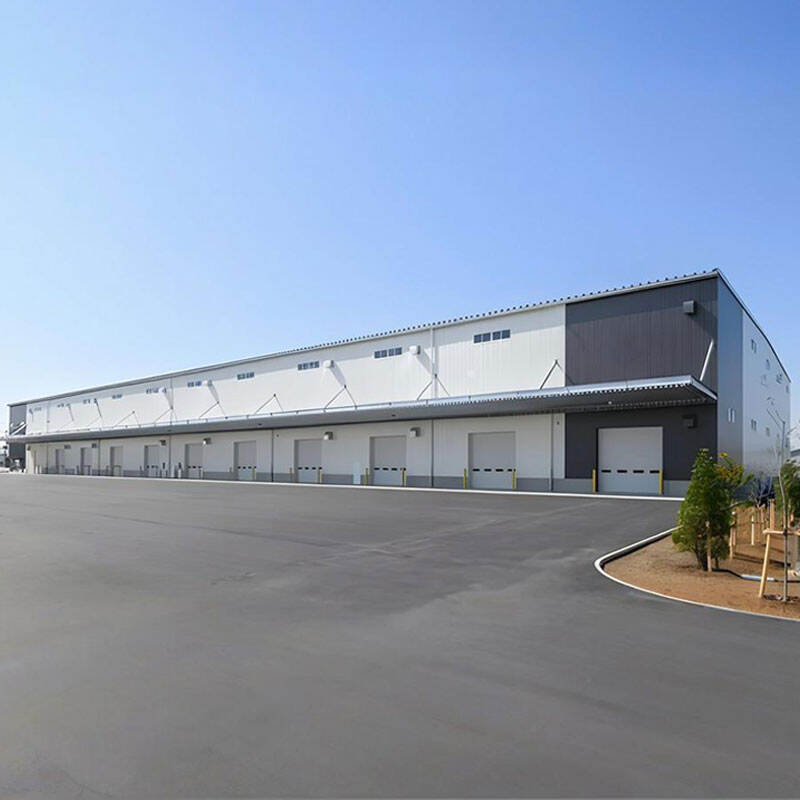
A food processing plant in the Midwest needed to go from groundbreaking to operational in under six months. The conventional construction route—cast-in-place concrete foundations, structural steel fabricated on-site, masonry infill walls—would have pushed the timeline past nine months. The developer went with a pre-engineered steel building instead. The building kit arrived on site in week eight. Erection took another five weeks. The plant was running production by week fourteen.
That fourteen-week timeline wasn't an outlier. It's the kind of schedule compression that pre-engineered steel buildings deliver consistently across industrial, commercial, and agricultural projects. The difference isn't incremental—it's structural, baked into the way these buildings are designed, fabricated, and assembled.
Parallel Processing Beats Sequential Construction
Conventional construction follows a linear path. Site clearing happens first. Then foundations. Then the structural frame gets erected, piece by piece, as materials arrive and labor becomes available. Then the roof goes on. Then the walls. Each trade waits for the previous one to finish. Any delay—weather, material shortage, labor availability—ripples through the entire sequence.
Pre-engineered steel buildings flip that model. The factory fabrication of the building components runs simultaneously with site preparation and foundation work. While the foundation crew pours concrete at the project site, the manufacturing facility is cutting, drilling, welding, and coating the steel members that will form the building's frame. By the time the foundation cures, the building kit is either already on a truck or waiting at the factory for shipment.
This parallel processing alone cuts the total project calendar by weeks or months, depending on the size and complexity of the building. The critical path shrinks because the longest phase—fabrication—no longer sits on the schedule's main sequence.
Factory Precision Eliminates Field Rework
On-site construction introduces variability. Weather affects welding quality. Skilled labor availability fluctuates. Measurements get taken in the field, and errors get corrected on the fly—often at significant cost in time and materials.
Factory fabrication eliminates most of that variability. Computer-controlled cutting equipment produces members to exact specifications. Holes get drilled in precisely the right locations. Welds happen under controlled conditions with certified inspectors present. The building components arrive on site numbered and organized, ready for bolted assembly.
The reduction in field rework is substantial. A conventional steel building might require weeks of on-site adjustments—trimming members, re-drilling connections, shimming foundations. A pre-engineered building typically goes together with minimal fitting. The bolts line up with the holes. The members fit as designed. That predictability translates directly into schedule reliability.
The Numbers Tell the Story
A study by McKinsey & Company found that modular and prefabricated construction methods accelerated project timelines by 20 to 50 percent compared to traditional approaches. Other industry data shows that pre-engineered steel buildings can be erected 30 to 50 percent faster than conventional construction. The gap widens on larger projects, where the inefficiencies of sequential on-site construction compound.
The table below compares typical timelines for a 50,000-square-foot industrial building:
|
Project Phase
|
Conventional Construction
|
Pre-Engineered Steel Building
|
|---|---|---|
|
Design & Engineering
|
8–12 weeks
|
4–6 weeks
|
|
Site Preparation
|
4 weeks
|
4 weeks (parallel with fabrication)
|
|
Foundation
|
6 weeks
|
6 weeks (parallel with fabrication)
|
|
Structural Fabrication
|
10–14 weeks (on-site)
|
6–10 weeks (off-site, parallel)
|
|
Erection / Assembly
|
12–16 weeks
|
4–6 weeks
|
|
Total Project Duration
|
40–52 weeks
|
20–28 weeks
|
The conventional timeline assumes sequential execution. The pre-engineered timeline assumes parallel fabrication. That's where most of the savings come from—not from faster work, but from smarter sequencing.
Weather Doesn't Stop the Factory
One of the hidden advantages of pre-engineered steel buildings is weather resilience during the fabrication phase. Conventional construction sites shut down in heavy rain, extreme cold, and high winds. Every weather delay adds days to the schedule.
Factory fabrication continues regardless of what's happening outside. Snowstorms, heat waves, and downpours don't slow down the production line. The building components get manufactured on schedule, regardless of the weather at the project site. By the time conditions improve on site, the building kit is ready to go.
This advantage becomes especially pronounced in regions with harsh winters or rainy seasons. A conventional project in the Pacific Northwest might lose weeks to rain delays during the winter months. A pre-engineered building keeps moving through the factory while the site waits for better weather.
The Labor Math Works Differently
Conventional construction requires a large on-site workforce throughout the project duration. Carpenters, ironworkers, masons, and concrete finishers all need to be on site at different points in the schedule. Labor shortages in any trade can stall the entire project.
Pre-engineered steel buildings shift much of the labor to the factory, where workers can be more productive in a controlled environment. The on-site erection crew is smaller and works more efficiently because the components arrive ready to assemble. A university study found that prefabricated steel framing reduced installation time from 13 working days to just 4—a 70 percent reduction.
The reduced on-site labor requirement also means less exposure to local labor market conditions. Projects in remote areas or regions with tight construction labor markets benefit disproportionately from this dynamic.
A Project That Proved the Point
A retail warehouse development in the Southeast illustrates the schedule advantage in real terms. The developer needed the building completed before the holiday peak season—a hard deadline with significant financial consequences for missing it. The conventional construction estimate came in at 11 months. The pre-engineered steel building proposal promised occupancy in 6 months.
The developer chose the steel building. The foundation crew started work in week one. The factory began fabrication in week two. By week eight, the building kit arrived on site. Erection took five weeks. The building was enclosed and ready for interior fit-out by week thirteen. Occupancy happened in week twenty-four—five months ahead of the conventional estimate.
The difference wasn't magic. It was parallel scheduling, factory precision, and a building system designed for speed from the ground up.
When Speed Matters Most
Faster project turnaround isn't just about convenience—it's about money. Every month of construction carries carrying costs: interest on construction loans, temporary utilities, site security, project management overhead. A shorter schedule reduces these costs directly. For commercial projects, faster completion also means earlier revenue generation. A warehouse that opens three months sooner starts generating income three months sooner.
The schedule advantage of pre-engineered steel buildings is most pronounced for single-story industrial, commercial, and agricultural structures—the applications that account for the majority of steel building demand. For these project types, the speed difference isn't marginal. It's the difference between a project that makes financial sense and one that doesn't.
Manufacturers like Huaying Weiye Steel Structure design their building systems with fabrication efficiency and on-site assembly speed as core priorities. The factory produces components to tight tolerances, and the building kits arrive organized for rapid erection. In a construction environment where time truly is money, that approach delivers measurable results—week after week, project after project.