
 EN
EN
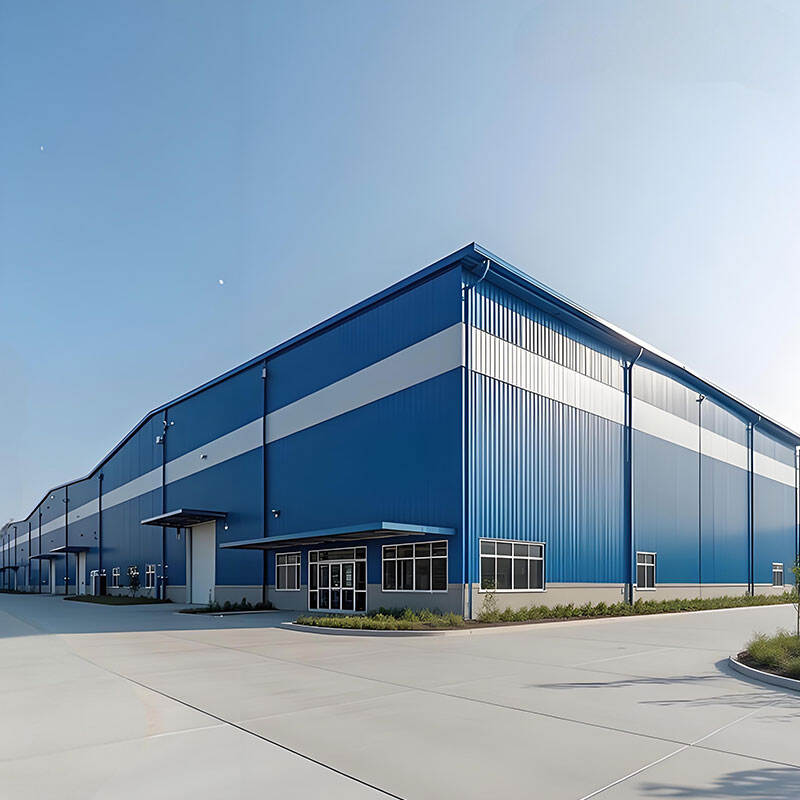
Structural Integrity and Load-Bearing Capacity for Factory Steel Structure
Tensile and Yield Strength Requirements for Heavy Industrial Loads
Steel structures used in factories need to handle specific levels of tensile strength, which basically means how much pulling force they can withstand, as well as yield strength, or when they start to permanently deform. For things like heavy machinery, storage systems that hold multiple tons, and overhead cranes, the steel needs at least 50 ksi (about 345 MPa) yield strength and should have tensile strength above 65 ksi (around 450 MPa). These numbers are important because they allow the structures to deal with all sorts of stresses including sudden impacts, constant loading, and those tiny cracks that grow over time from repeated stress. When calculating what kind of steel to use, engineers look at several factors together. They consider dead loads from fixed equipment, live loads from materials being moved around, plus dynamic forces like vibrations and movements from cranes operating nearby according to guidelines set out in ASCE/SEI 7-22. Getting this wrong can lead to serious failures, while going too far on specifications just adds unnecessary expenses between 15% and 30%. So picking the right material really comes down to finding that sweet spot where it performs reliably without breaking the bank.
Selecting Optimal Steel Grades (ASTM A36, A992, A572, S355JR) by Application
The right steel grade aligns mechanical properties with functional demands, regional availability, and environmental exposure. Key grades include:
| Grade | Yield Strength | Tensile Strength | Primary Industrial Use Cases |
|---|---|---|---|
| ASTM A36 | 36 ksi (250 MPa) | 58–80 ksi (400–550 MPa) | Non-critical platforms, walkways |
| ASTM A992 | 50 ksi (345 MPa) | 65 ksi (450 MPa) | Primary framing in high-stress zones |
| ASTM A572 | 50–65 ksi (345–450 MPa) | 65–80 ksi (450–550 MPa) | Heavy equipment supports, mezzanines |
| S355JR | 355 MPa (51 ksi) | 470–630 MPa (68–91 ksi) | Seismic-resistant joints (Eurocode-compliant applications) |
A992 steel has become the go to material for factory columns across North America because it works really well when welding, stays flexible under stress, and provides good strength without adding too much weight. For areas where things get cold or salty air from the coast causes problems, S355JR stands out as a better choice since it handles these conditions much better than other options. When looking at places with heavy impacts such as forging operations, many engineers turn to A572 Grade 50 instead. Meanwhile, A36 still finds its place in parts of structures where they don't carry major loads. No matter what kind of steel gets used though, anyone working with important structural components needs to make sure they pass those Charpy V-notch tests at actual operating temps. These tests check how likely something is to crack suddenly rather than bend slowly, which matters a lot when safety depends on avoiding unexpected failures.
Environmental Resilience and Regional Compliance for Factory Steel Structure
Corrosion Protection Strategies: Galvanizing, PVDF Coatings, and Humidity/Marine Adaptations
Steel left unprotected tends to corrode pretty quickly in places where there's lots of moisture, near coasts, or around chemicals. The service life drops dramatically about 60% in these conditions. Hot dip galvanizing works well because it creates this zinc layer that basically sacrifices itself to protect the steel from atmospheric damage. This method is particularly good for things like building frames inside structures and support beams. When dealing with harsher environments like those hit by salt spray, industrial waste, or strong sunlight, PVDF coatings really stand out. They resist chemicals better than most options and keep their color much longer too, so buildings stay protected for twenty years or more. For marine applications, combining galvanized steel with an epoxy topcoat cuts down on corrosion problems by almost all compared to just using one type of protection. Weathering steel according to ASTM A588 standards does form a kind of stable rust layer in average climate conditions, but when humidity stays high or there's constant exposure to chlorides, extra coatings become necessary to stop corrosion from happening underneath the surface.
Code-Compliant Design for Snow, Wind, Rain, and Seismic Loads by Geographic Zone
Building codes across different regions set specific design rules so structures can stand up to whatever dangers might hit them where they're built. Take snow loads for instance these can go from around 20 pounds per square foot in places with light winter weather all the way up to more than 100 psf in mountainous or northern locations. This big difference affects how far apart rafters need to be spaced, what size purlins should be used, and even determines the angle of the roof itself. When it comes to wind design, engineers have to factor in local wind speeds and what kind of terrain surrounds the building. Hurricane prone areas especially need special attention with things like stronger moment connections between structural elements and specially shaped cladding that helps reduce wind resistance. For earthquakes, standards like those found in ASCE/SEI 7-22 or Eurocode 8 require buildings to be designed with flexibility in mind through features like moment resisting frames. Some really risky spots actually use base isolation systems at the foundation level which can cut down on earthquake forces transmitted to the building by about half. Managing rainwater is another key consideration involving proper roof slopes, adequate gutter sizes, and making sure stormwater drains meet city requirements for runoff control. A recent study from MIT back in 2021 showed that buildings following local codes tend to perform about 40% better during actual regional disasters compared to ones built using generic guidelines.
Pre-Engineered vs Custom Factory Steel Structure: Matching Design to Operational Needs
Scalability, Layout Flexibility, and Future Expansion Readiness in Manufacturing Facilities
Steel buildings that are pre-engineered typically cost about 20 to 30 percent less upfront and take around half the time to build compared to traditional methods. These kinds of buildings work great for standard projects like adding on to warehouses or building new distribution centers. However there's a catch with their design approach. While it makes things easier to replicate across multiple sites, it limits how adaptable they can be. Complex machinery arrangements, odd shaped workflow areas, or spaces without columns longer than 45 meters usually push past what these pre-engineered buildings can handle. On the other hand, custom made steel structures allow for much more specific solutions. They can incorporate things like expansion joints built right into the framework, extra reinforcement where needed for heavy machinery or robotics, and open spaces that stretch up to 60 meters wide. Industry data shows this kind of flexibility actually cuts down on retrofitting expenses later on by roughly 40%. Facilities that plan to upgrade their automation over time, rearrange production lines, or integrate new technologies will find that going with custom designs avoids those frustrating structural limitations while keeping operations running smoothly. When looking at the bigger picture, investing in custom frameworks becomes the smarter option once long term needs become more important than just saving money initially.
Total Cost of Ownership for Factory Steel Structure
Evaluating total cost of ownership (TCO) reveals steel's long-term economic advantage over alternative structural systems. Initial construction typically ranges from $20 to $45 per square foot—varying with design complexity, finish level, and regional labor/material costs. However, lifecycle value emerges through four key savings drivers:
- Maintenance Efficiency: Annual upkeep averages just 1% of initial investment—$1,500–$2,500 yearly for a 10,000 sq ft facility—versus 2–4% for conventional construction.
- Insurance Premiums: Inherent fire resistance and non-combustible classification can reduce premiums by up to 40%.
- Energy Performance: With proper insulation integration, steel-framed envelopes achieve ~30% better thermal efficiency than masonry alternatives—lowering HVAC demand and operating costs.
- Durability Payoff: Well-maintained steel structures reliably exceed 50 years of service with minimal material degradation.
Cumulative savings over 20 years reach $40,000–$100,000, frequently offsetting higher upfront investment. Modular scalability also enables cost-effective future expansions—preserving capital while supporting growth. Further, steel buildings command 20–30% higher resale valuations than comparable conventional facilities, reflecting market confidence in longevity, adaptability, and regulatory compliance.
FAQ
What are the key factors when selecting the right steel grade for a factory structure?
Choosing the right steel grade involves considering mechanical properties, functional demands, regional availability, and environmental exposure. Key grades include ASTM A36, ASTM A992, ASTM A572, and S355JR, each with its own primary industrial use cases.
How do environmental factors affect the choice of steel structure?
Environmental factors such as moisture, coastal proximity, and exposure to chemicals can significantly impact corrosion resistance and durability. Strategies like hot dip galvanizing, PVDF coatings, and epoxy topcoats are employed based on these conditions.
What are the economic benefits of using steel structures?
Steel structures offer long-term economic benefits such as maintenance efficiency, reduced insurance premiums due to fire resistance, better energy performance through thermal efficiency, and durability that extends service life beyond 50 years. They also allow for scalability and higher resale valuations.
Why might a custom steel structure be more advantageous than a pre-engineered one?
While pre-engineered buildings are cost-effective and quicker to build, custom-made structures offer greater flexibility and scalability for specific operational needs, especially for complex machinery arrangements and future expansions.