
 EN
EN
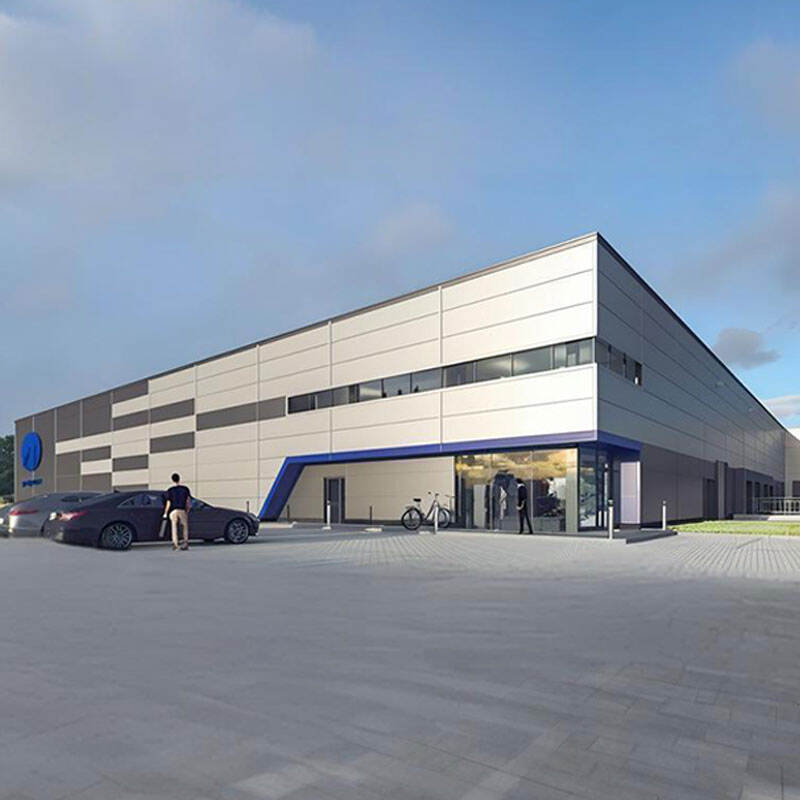
Faster Project Delivery with Prefabricated Workshop Solutions
Parallel On-Site and Off-Site Construction Minimizes Total Build Time
Structural parts like columns, beams and cladding get made in factories at the same time as workers lay foundations onsite. This overlapping approach saves around 30 to maybe even 50 percent off the overall schedule when compared to old fashioned step-by-step building methods. As teams clear land and dig holes, factory workers are busy putting together these precise modules elsewhere, so rain or snow doesn't hold things up and there's no waiting for materials to arrive. For average sized prefab projects, getting those main structures put together takes about two to four weeks tops, whereas regular construction would drag on for months before anything really gets going.
Factory-Controlled Scheduling Improves Predictability and Reduces Delays
When it comes to making parts, automated manufacturing really levels the playing field compared to traditional on site construction methods. The whole process gets standardized so everything flows according to schedule something that's pretty hard to replicate when building things manually at the location. With digital systems in place, companies can keep tabs on inventory levels and monitor how far along each fabrication stage is progressing. This tracking cuts down those annoying supply chain surprises by around 40 percent give or take. What happens next? Prefabricated components show up exactly when needed for assembly work. No waiting around for materials means fewer workers sitting idle, less money spent storing stuff, and definitely less need for fixing mistakes later on. Look at actual project stats too these days most prefab projects finish right on schedule about 95% of the time which makes all the difference when deadlines are tight in industrial settings where timing matters most.
Phased Modular Installation Limits Operational Disruption in Active Facilities
When installing modular units, companies typically do it piece by piece around existing operations so they don't have to shut down the whole facility. Workers can build out one workshop area at a time while keeping nearby production lines running as normal, which means disruptions stay contained within specific areas instead of affecting everything at once. Many facilities report that retrofitting using this step-by-step method cuts into productivity far less than tearing things down completely and starting over from scratch. Some estimates suggest losses drop somewhere between 40-60%, though actual results vary depending on site conditions. Another big plus is that these crane-mounted modules reduce how much time ground crews spend exposed to active machinery, making the whole integration process safer for everyone involved on site.
Cost Efficiency Across the Lifecycle of a Prefabricated Workshop
Lower Upfront Costs Through Standardization, Bulk Manufacturing, and Reduced Labor
Building things in factories really brings down what companies have to spend upfront. When products are made to standard specs, it's easier to buy materials in big quantities which usually saves around 10 to maybe even 20 percent thanks to those bulk pricing deals. Manufacturing in controlled environments means we don't need as many skilled workers onsite anymore. The assembly line approach makes everything run smoother and cuts down on staff needs by about a third give or take. Waste from materials? That's sitting at just under 2 percent these days, way better than the usual 10 to 15 percent seen in traditional building methods. Transportation costs still fluctuate the most, but they're pretty predictable these days and companies know how to keep them in check through smart planning and route optimization.
Long-Term Savings from Energy-Efficient Design, Low Maintenance, and Extended Service Life
The bottom line shows better value right from day one when looking at operational costs. Better insulation materials combined with properly sealed construction cut down on yearly heating and cooling expenses somewhere between 25 to 40 percent. What about maintenance? Most owners report spending around 1% of what they originally paid for upkeep, which is roughly half of what people typically spend on older buildings that run about 2 to 4%. Why such a difference? Because these modern structures use steel frames that resist rust and have protective coatings rated against fire damage. Industry research points to prefabricated workshops lasting well past fifty years if built correctly, and over time, these buildings save companies anywhere from 30 to 40% compared to standard construction methods. Plus, since these buildings can be modified relatively easily, they hold their value longer and are much simpler to sell or move to another location when needed.
Enhanced Quality, Safety, and Compliance in Prefabricated Workshop Construction
Rigorous Factory Quality Control Ensures Structural Consistency and Precision
When production happens inside controlled factory settings, we eliminate those pesky weather issues that can mess with outdoor construction and also cut down on inconsistent craftsmanship from different workers onsite. The automated systems handle cutting, welding jobs, and putting everything together with precision down to the millimeter for each part. Digital tracking keeps everyone following the same procedures step by step. Speaking of quality control, this standardization really works wonders. We see around a 60% drop in material flaws compared to traditional methods, plus every single module comes out meeting those ISO 9001 quality requirements. Throughout the whole process, multiple checks happen at various stages starting with looking at raw materials right through to testing how much weight each piece can actually hold. These inspections make sure everything fits together properly when installed alongside big machines where even small variations matter a lot for day-to-day operations.
Built-In Industrial Performance: Corrosion Resistance, Load-Bearing Integrity, and Fire-Rated Assemblies
When it comes to prefabricated workshops, they're built using heavy duty materials meant to last through tough conditions. The frames are made from hot dip galvanized steel which basically means they won't rust away even if installed near chemical plants where there's lots of dust floating around in the air. These buildings have special truss systems that can handle pretty serious weight loads, about 500 kg per square meter actually. That kind of strength lets them support overhead cranes and all sorts of big machinery that weighs several tons. For fire protection, the walls feature composite panels filled with ceramic fiber insulation. These panels have been tested and proven to resist fire for two full hours while keeping the structure stable even when temperatures reach as high as 1000 degrees Celsius. Every component gets checked by independent experts for things like earthquakes, strong winds, and heavy snowfall before being put together on site. This means businesses get safe operations right from day one without having to spend extra money later on making adjustments.
Design Flexibility and Future-Proof Scalability of Prefabricated Workshops
Tailored Configurations for Industrial Requirements: Crane Systems, MEP Integration, and High-Performance Cladding
Prefab workshops can be tailored pretty precisely to meet different industrial requirements. Many manufacturers now include heavy duty crane systems capable of lifting over 50 tons right into the workshop design. They also build out complete mechanical, electrical and plumbing systems while everything is still at the factory, which cuts down on those frustrating coordination problems that happen when things get assembled on site later. The walls themselves are another big plus point. Some high end cladding materials offer insulation properties that keep heat loss down by around 40% compared to standard construction methods. And these materials often come with impressive fire ratings too, sometimes as high as 120 minutes of protection. All this attention to detail means plants can hit the ground running from day one without wasting time waiting for adjustments or fixes after installation.
Modular Expansion and Reconfiguration Support Evolving Production Capacity and Layout Needs
Modular design makes scaling operations much faster without causing major disruptions. A factory looking to grow can actually increase its production area between 30 and 60 percent in just a few weeks simply by installing those pre-made bay sections. Inside, the layout can be changed to fit new equipment thanks to those movable walls that come apart easily. The cost savings are pretty impressive too - companies report cutting reconfiguration expenses down around two thirds compared to regular building renovations. This means businesses don't have to wait months anymore when they need to adjust their workspace; most changes happen within days now. Prefabricated workshop solutions really seem to offer something special for companies wanting flexible spaces that keep up with market changes over time.
FAQ
What are prefabricated workshops?
Prefabricated workshops are construction solutions where building sections are manufactured off-site in factories and assembled on-site, providing quicker build times and efficiency.
How do prefabricated workshops save time?
They save time through parallel construction of components in factories and site preparation, reducing the overall construction timeline by 30% to 50% compared to traditional methods.
Are prefabricated workshops cost-effective?
Yes, they offer cost savings through standardization, bulk ordering, and reduced labor, alongside long-term savings on energy, maintenance, and extended service life.
What are the design capabilities of prefabricated workshops?
They offer tailored configurations to meet industrial needs, including integration of crane systems, mechanical, electrical, and plumbing systems, and high-performance cladding.