
 EN
EN
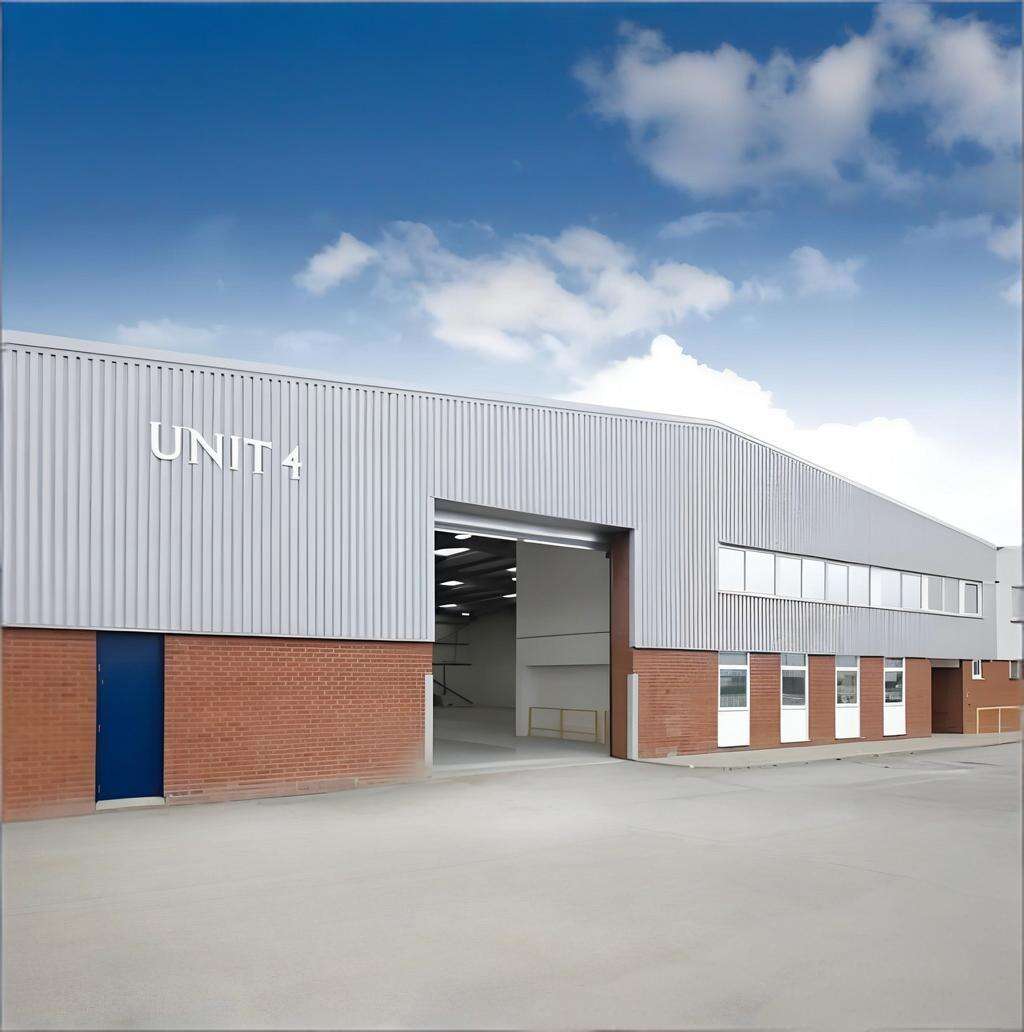
Mga Pangunahing Prinsipyo sa Disenyo Laban sa Lindol para sa Industriyal na Gusaling Bakal
Bakit Iba ang Mga Hamon sa Lindol sa Industriyal na Gusaling Bakal
Ang mga gusali na yari sa bakal ay may likas na kahutukang tumutulong sa kanila na matagalan ang mga lindol nang mas mainam kaysa sa maraming iba pang materyales. Gayunpaman, kapag ginagamit ang mga istrukturang ito sa mga industriyal na kapaligiran, kinakaharap nila ang mga espesyal na hamon. Ang malalawak na takip ng bubong na kailangan para sa mga operasyon sa pagmamanupaktura ay talagang nagpapataas ng mga puwersang kumikilos sa gusali habang nangyayari ang pagkabulok. Bukod dito, ang lahat ng mabibigat na kagamitan na nakainstal sa bubong ay nagdaragdag ng karagdagang bigat sa isang lugar, na nagpapataas ng posibilidad na mabaling ang buong istruktura. Para sa mga pasilidad na naglalaman ng sensitibong makina na hindi umaayon sa anumang paggalaw, ang kontrol sa lawak ng pagkabend ng gusali ay naging lubos na mahalaga. At tiyakin nating malinaw din ang isang bagay na sobrang mahalaga upang huwag balewalain: ang anumang pinsala—kahit gaano pa kakaunti—ay maaaring magkamit ng gastos na higit sa pitong daan at apatnapu’t limang libong dolyar para lamang sa nawalang oras ng produksyon, ayon sa pananaliksik ng Ponemon Institute noong nakaraang taon. Ibig sabihin, kailangan ng mga gusaling ito na gumana nang malayo sa itaas ng mga pangunahing pamantayan sa kaligtasan kung gusto ng mga negosyo na manatiling bukas nang walang interupsiyon.
Mga Pangunahing Prinsipyo: Duktilidad, Pagkalastiko ng Enerhiya, at Pagpapatuloy ng Landas ng Karga
Ang epektibong paglaban sa lindol ay nakabatay sa tatlong magkakaugnay na prinsipyo:
- DUKTILIDAD : Ang kakayahan ng bakal na mag-deform nang malaki nang lampas sa yield nito nang hindi nababasag ay nagpapahintulot ng kontroladong pag-absorb ng enerhiya—upang maiwasan ang biglang pagbagsak. Ang American Institute of Steel Construction (AISC) ay nagsasaad ng mga pagsusuri sa materyales upang mapatunayan ang kakayahan nito sa strain-hardening.
- Paggamit ng Enerhiya : Ang mga damper na nakalagay nang estratehiko o ang mga koneksyon na may espesyal na detalye ay nagpapalit ng kinetic energy sa init, kaya binabawasan ang demand sa pangunahing frame.
- Pagpapatuloy ng Landas ng Karga : Ang isang walang kupas na lateral force path—mula sa roof diaphragms hanggang sa mga braced frames o moment connections at papunta sa mga pundasyon—ay nagpipigil sa mga bahagyang pagkabigo. Ang mga gabay ng FEMA P-751 ay binibigyang-diin ang mga redundant at maaaring inspeksyunin na koneksyon na kayang tumagal ng paulit-ulit na siklikong dehormasyon.
Ihambing ito sa mga non-ductile na sistema ang mga mahrap na welded joints sa mga istrukturang bakal na ginawa bago ang 1994 ay nabagsak noong 1994 Northridge earthquake dahil sa hindi nasasaad na mga demand sa pagkabigat—na nagpapalaganap ng pandaigdigang reporma sa mga code na binibigyang-prioridad ang mataas na ductility sa pagdidisenyo.
Pag-optimize ng mga Sistema na Nagreresist sa Lateral na Puwersa sa mga Gusaling Bakal
Mga Moment-Resisting Frames vs. Mga Braced Frames: Mga Insights sa Pagganap mula sa Tunay na mga Lindol
Ang mga frame na tumututol sa moment, o MRFs bilang maikli nito, ay gumagana sa pamamagitan ng paggamit ng mga koneksyon ng beam at column upang 'sumipsip' ng enerhiya kapag may kumakalabit o kumikilos. Matapos suriin ang nangyari sa malaking lindol sa Chile noong 2010, natuklasan ng mga mananaliksik na ang mga frame na ito ay nabawasan ang pagbagsak ng mga gusali ng humigit-kumulang 42% sa mga gusaling bakal na may katamtamang taas dahil mas mainam ang kanilang kakayahang lumuwang nang hindi nababasag. Sa kabilang banda, ang mga concentrically braced frames ay nagbibigay ng mas matigas na pagtutol. Karaniwan nilang pinipigilan ang paggalaw ng mga sahig nang higit sa 0.7% habang nangyayari ang karaniwang pagkakalabit ayon sa mga gabay ng FEMA. Ang mga ito ay mahusay na mga pagpipilian kapag kailangan ng mga arkitekto na makatipid ng espasyo dahil ang mga beam ay hindi gaanong tumutumbok palabas. Mayroon ding eccentric bracing na nasa gitna ng dalawa. Ayon sa mga pag-aaral, ito ay 30% na mas epektibo sa pagpapabagal ng mga vibrasyon kumpara sa mga karaniwang paraan ng bracing ayon sa mga pamantayan ng AISC. Ngunit ang kamakailang mga lindol sa Mexico City ay nagturo ng isang mahalagang aral. Habang ang mga MRF ay may mga problema sa ilang mga layout ng sahig na tinatawag na 'soft stories', ang mga braced frame naman ay talagang nabasag sa kanilang mga koneksyon. Ang pagpili ng tamang sistema ay talagang nakasalalay sa paghahanap ng 'sweet spot' sa pagitan ng iba't ibang mga salik tulad ng gastos, pagganap, at mga kinakailangan sa disenyo.
- Kailangan ng ductility (Ang mga MRF ay pinapaboran sa mga lugar na mataas ang panganib sa lindol),
- Mga pang-arkitekturang limitasyon , at
- Access para sa inspeksyon at pagpapanatili (halimbawa, mga koneksyon ng brace na may turnilyo kumpara sa mga MRF na may welding).
Mga Hybrid na Estratehiya sa LFRS para sa Mga Industriyal na Gusali na Yari sa Bakal na may Malawak na Span
Ang mga hybrid na sistema ng paglaban sa lateral na puwersa, o LFRS para maikli, ay nagkakasama ang parehong matitigas na bahagi at malalambot na bahagi upang harapin ang mga malalaking span na isyu na nararanasan natin sa modernong konstruksyon. Kapag ang mga gusali ay may ganitong dalawang sistema—isipin ang mga braced core na pinagsasama sa mga perimeter moment frame sa paligid ng gusali—mas mainam nilang napapamahalaan ang deformasyon. Ayon sa pinakabagong gabay ng NEHRP 2020, ang mga warehouse na may span na hindi bababa sa 100 metro ay nakakaranas ng humigit-kumulang 60 porsyento na pagpapabuti sa kanilang kakayahang humarap sa stress habang may lindol. Ang teknik na tinatawag na partitioned zoning ay lubos ding epektibo. Sa pamamagitan ng paglalagay ng mga espesyal na buckling restrained braces kung saan ang stress ay pinakamalakas at ang pag-iwan sa mga moment resistant frame para sa mga karaniwang operasyonal na lugar, ang mga inhinyero ay nakakapanatili ng bukas na espasyo nang walang haligi samantalang pinipigilan pa rin ang pagkalat ng mga katastrofikong kabiguan sa loob ng gusali. Kasalukuyan, ang karamihan sa mga bagong disenyo ng hybrid na LFRS ay sumasali na sa mas advanced na mga materyales at teknik habang patuloy na inuunlad ng industriya ang direksyon patungo sa mas ligtas at mas epektibong mga istruktura.
- Mga pader na gawa sa bakal na pinutol sa mga koridor ng logistics,
- Mga daluyan ng karga na may mataas na pagkakabukod sa mga eksentrikong suportadong bakuran, at
- Pagpapatuloy ng vertikal na karga sa pamamagitan ng dagdag na mga truss.
Ang mga datos mula sa field sa mga pasilidad sa Hapon ay nagpapakita na ang mga hybrid na sistema ay nabawasan ang panahon ng pagkakatigil pagkatapos ng lindol na M7.0 hanggang walo (8) na linggo sa pamamagitan ng paglokalisa sa pinsala sa mga bahagi na maaaring palitan—tulad ng mga sacrificial fuse—nang hindi naaapektuhan ang integridad ng istruktura.
Matibay na mga Koneksyon at Redundansiya sa Balangkas ng Gusali na Gawa sa Bakal
Mga bolted vs. welded joints sa ilalim ng cyclic loading: Mga aral mula sa FEMA P-751 at mga datos mula sa field
Ang pagganap ng mga koneksyon kapag inilalagay sa ilalim ng pabalik-balik na pwersa ay tunay na mahalaga para sa mga gusali na nananatiling nakatayo matapos ang mga lindol. Ayon sa dokumento ng FEMA na P-751 at sa mga obserbasyon natin mula sa aktuwal na pagsusuri ng pinsala dulot ng lindol, ang mga bolted joints (mga sambungan na may turnilyo) ay karaniwang nagpapakita ng mas mataas na ductility (pagkakabuklat). Maaari nilang abutin ang humigit-kumulang 30 porsyento pang dagdag na enerhiya bago sila sumuko sa pamamagitan ng kontroladong dehormasyon imbes na biglang putulin ang lahat nang sabay-sabay. Ang ganitong uri ng mabagal na pagkabuklat ay talagang nakakapigil sa mga istruktura na biglang bumagsak. Sa kabilang banda, ang mga welded joints (mga sambungan na pinagkabit sa pamamagitan ng pag-weld) ay maaaring tila mas matibay sa unang tingin dahil sila ay mas matigas at mas malakas agad mula sa simula. Ngunit ang mga weld na ito ay maaaring mag-crack nang walang babala kapag harapin ang parehong paulit-ulit na stress sa loob ng panahon. Kaya nga ang regular na inspeksyon upang hanapin ang mga maliit na depekto ay naging napakahalaga sa mga welded connection.
| Uri ng koneksyon | Pagganap ng Seismic | Pangunahing Kobento | Mahalagang Isaalang-alang |
|---|---|---|---|
| Bolted | Mataas na ductility (pagkakabuklat), pag-absorb ng enerhiya | Maaaring ayusin sa field; tumatanggap ng di-malaking misalignment | Kailangan ng eksaktong pre-tensioning upang maiwasan ang pagkakalipat |
| Welded | Pinakamataas na stiffness (katigasan), paglipat ng load | Nawawala ang mga vulnerability (kahinaan) dulot ng pagkakalipat | Mahina sa mga nakatagong depekto; nangangailangan ng mahigpit na pagsusuri gamit ang NDT |
Ang pagsasama-sama ng iba't ibang paraan ng paggawa, tulad ng paggamit ng mga welded moment frames kasama ang mga bolted bracing connections, ay nagpakita ng mas mainam na pagganap sa mga aktwal na malalawak na pagsusuri. Kapag nabigo ang ilang bahagi ng mga hybrid na sistema na ito sa panahon ng lindol, ang natitirang mga bahagi ay kumuha ng beban, kaya nananatiling buo ang buong istruktura kahit matapos na ang ilang lindol. Gayunpaman, hindi maiiwasan ang mataas na kalidad ng paggawa dito. Ang mga pagsusuri sa laboratorio ay nagpapakita na kapag hindi sapat ang pagpapakapit ng mga bolt o hindi sapat ang lalim ng mga weld sa mga metal joint, nawawala ang halos kalahati ng potensyal na lakas ng mga koneksyon na ito. Ang ganitong uri ng pagbaba ay lubhang mahalaga kapag ang mga gusali ay kailangang tumagal sa mga tunay na pangyayaring pagyuko at paggalaw.
Paggamit ng mga likas na pakinabang ng bakal para sa Seismic Resilience
Ang mga pisikal na katangian ng bakal ay nagbibigay sa kanya ng tunay na kalamangan sa paggawa ng mga industriyal na istruktura na kayang tumagal sa mga lindol. Ang bakal ay sapat na ductile upang mapabaluktot at ma-absorb ang pagsabog nang hindi lubos na nababasag, na isang bagay na hindi kayang gawin ng mga brittle na materyales tulad ng simpleng kongkreto. Isa pang malaking kapakinabangan ay ang lakas ng bakal kung ihahambing sa kanyang timbang. Ang mas magaan na mga gusali ay nangangahulugan ng mas kaunti na puwersa ang naipapasa sa lupa habang may lindol, kaya ang pundasyon at lahat ng mga punto ng koneksyon ay hindi kailangang masyadong magtrabaho. Pagkatapos ng malalaking lindol, ang mga inhinyero ay regular na nakakakita na ang mga maayos na ginawang istrukturang bakal ay nangangailangan ng halos kalahating bilang ng mga pagkukumpuni kumpara sa mga katulad na gusaling kongkreto. Bakit? Dahil ang bakal ay may kahanga-hangang katangian na tinatawag na resilience. Sa madaling salita, naaalala niya kung saan siya dapat naroon kahit pagkatapos mabent sa labas ng kanyang orihinal na hugis.
Ang paggamit ng bakal na balangkas ay naglalaman ng redundansya sa antas ng sistema. Kapag ang ilang mga koneksyon ay napapabigat, ang maraming daanan ng pagsasalin ng load ay nagpapahintulot sa mga puwersa na muling ipamahagi sa buong istruktura, na tumutulong upang maiwasan ang mga senaryo ng progresibong pagbagsak. Ang kombinasyon ng ductility, mabuting ratio ng lakas sa timbang, at nakaimbak na redundansya ang nagpapakilala sa bakal. Ito ay gumagana bilang isang panukala sa kaligtasan sa panahon ng krisis at nag-aalok din ng ekonomikong benepisyo para sa mahahalagang gusali ng industriya na matatagpuan sa mga lugar na madalas magkaroon ng lindol.
Seksyon ng FAQ
Ano ang pangunahing hamon sa seismik para sa mga gusali ng industriya na gawa sa bakal?
Ang mga gusali ng industriya na gawa sa bakal ay humaharap sa hamon ng malalawak na saklaw ng bubong at mataas na konsentrasyon ng mabibigat na kagamitan, na maaaring dagdagan ang mga puwersa habang may lindol.
Ano ang papel ng ductility sa disenyo ng gusali na gawa sa bakal?
Ang ductility ay nagpapahintulot sa bakal na magbago ng hugis lampas sa yield point nito nang hindi nababali, sumisipsip ng enerhiya at pumipigil sa biglaang pagguho.
Paano inihahambing ang mga bolted at welded joints sa kanilang seismic performance?
Ang mga bolted joints ay nag-aalok ng mataas na ductility at kontroladong deformation, samantalang ang mga welded joints ay nagbibigay ng rigidity ngunit madaling apektado ng mga nakatagong depekto sa panahon ng cyclic loading.
Bakit mahalaga ang redundancy sa steel framing?
Ang redundancy sa steel framing ay tumutulong sa muling pag-distribute ng mga puwersa upang maiwasan ang progressive collapse sa panahon ng mga seismic event.
Talaan ng Nilalaman
- Mga Pangunahing Prinsipyo sa Disenyo Laban sa Lindol para sa Industriyal na Gusaling Bakal
- Pag-optimize ng mga Sistema na Nagreresist sa Lateral na Puwersa sa mga Gusaling Bakal
- Matibay na mga Koneksyon at Redundansiya sa Balangkas ng Gusali na Gawa sa Bakal
- Paggamit ng mga likas na pakinabang ng bakal para sa Seismic Resilience
- Seksyon ng FAQ