
 EN
EN
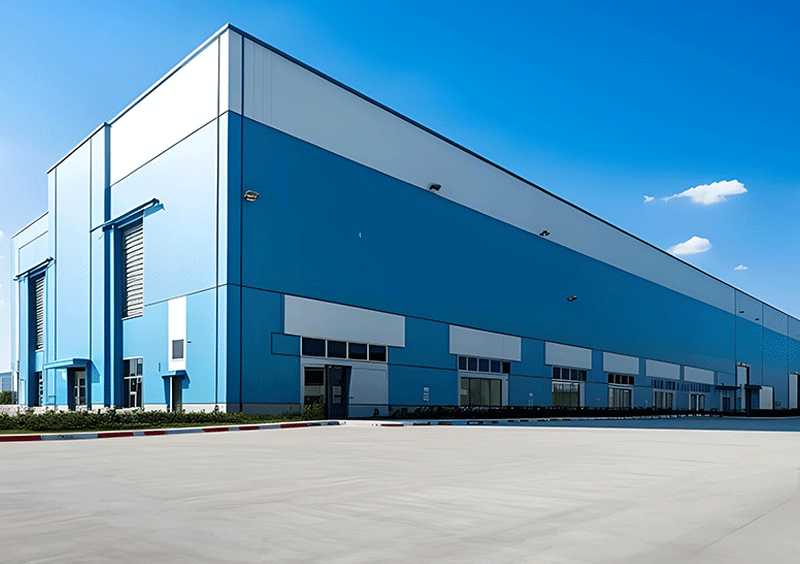
Clear-Span Interiors: Maximizing Unobstructed Floor Space in Steel Buildings
Eliminating Load-Bearing Walls to Unlock Open, Adaptable Floor Plans
Steel buildings replace obstructive load-bearing walls with precision-engineered frames—delivering column-free interiors spanning up to 300 feet wide without compromising structural integrity. This design freedom unlocks three core advantages:
- Operational flexibility: Unimpeded movement for forklifts and automated systems reduces material handling errors by ~35% and supports rapid workflow reconfiguration.
- Storage optimization: Warehouses achieve nearly double the storage density of traditional column-grid layouts by utilizing every square foot.
- Future-proof adaptability: Spaces reconfigure seamlessly—from manufacturing cells to bulk storage—without structural retrofitting or costly downtime.
Engineering Validation: AISC Standards and Real-World Performance (Bloomfield Logistics Hub Case)
Clear-span steel structures comply with American Institute of Steel Construction (AISC) standards, ensuring proven resilience under seismic, wind, and live loads. The Bloomfield Logistics Hub—a 250-foot clear-span facility—demonstrated this in practice: it maintained uninterrupted operations during regional seismic events while delivering measurable performance gains:
| Performance Indicator | Traditional Building | Steel Clear-Span | Improvement |
|---|---|---|---|
| Structural Deflection | 0.5 inches | 0.2 inches | 60% reduction |
| Column-Free Width | 60 feet max | 300 feet | 5× increase |
| Reconfiguration Cost | $74/sq ft | $18/sq ft | 76% savings |
Post-occupancy data showed 98% equipment accessibility and zero column-related incidents over three years—confirming how AISC-compliant steel systems balance safety, efficiency, and long-term operational reliability.
Vertical Space Optimization: Mezzanines, Lofts, and High-Ceiling Strategies for Steel Buildings
Mezzanine ROI and Spatial Efficiency: Data-Driven Gains from the 2023 MBMA Report
A good mezzanine turns wasted vertical space into usable floor area without needing to expand the building's footprint. According to recent data from the Metal Building Manufacturers Association in their 2023 findings, businesses that installed custom mezzanine structures saw around 28 percent better storage capacity and about 19 percent quicker inventory movement rates. The reason? Modern steel buildings typically have those tall ceilings, sometimes going over 20 feet high. Mezzanines work great for creating office spaces above warehouse floors, setting up temporary staging areas, or even housing specialized equipment. No need to move operations elsewhere or build something entirely new. When positioned right within a facility layout, these platforms cut down on how far workers need to walk between tasks and bring together different parts of the workflow process. This can boost overall efficiency quite a bit too. Some companies report saving roughly 40 cents on every dollar spent when comparing cost per square foot against traditional expansion methods, though results will vary based on specific circumstances.
Modular Prefabrication: Accelerating Build-Out While Minimizing On-Site Footprint for Steel Buildings
Off-Site Fabrication Benefits: Reduced Site Disruption, Faster Timeline, and Phased Occupancy
Moving most of the assembly work to factory settings instead of construction sites cuts down on site disturbances by around 70%. Less noise, dust, and traffic problems make this approach much better for surrounding areas. When foundations are being laid out, the building components can actually be fabricated at the same time in factories with machines doing precise cutting and welding jobs. This setup reduces mistakes and saves materials compared to traditional building methods, about 23% less waste according to Modular Building Institute data from 2023. What we get isn't merely faster completion times though there's definitely speed involved. The real advantage comes from being able to put finished parts into use right away. This means businesses can start occupying parts of their new buildings before everything is done, bringing in money earlier than usual. For companies needing space quickly or those with tight schedules, this makes all the difference in the world.
Adaptive Layouts: Flexible, Multi-Use Spaces Enabled by Steel Building Structural Systems
The strength and stability built into steel make it possible to create really adaptable spaces. Steel structures can span over 200 feet without columns and don't require load bearing walls. This flexibility means buildings can be changed from offices to light manufacturing facilities or even mixed use spaces without needing major structural work. According to some recent industry numbers from 2023, companies that modify steel framed buildings spend about 40 percent less on renovations compared to traditional construction methods. What's more, because steel stays stable over time, doors, windows, and all those mechanical systems stay properly aligned even after many years of rearranging layouts. This cuts down on maintenance costs keeps things looking good and reduces disruptions when businesses need to change their space around.
FAQ
What is a clear-span interior in steel buildings?
A clear-span interior is a design in steel buildings where the floor space is unobstructed by load-bearing columns or walls, allowing maximum use of the area.
How do mezzanines benefit steel buildings?
Mezzanines optimize vertical space without expanding the building’s footprint, enhancing storage capacity and operational efficiency with potential cost savings.
What are the advantages of modular prefabrication in steel building construction?
Modular prefabrication offers reduced site disruption, faster timelines, and phased occupancy, minimizing construction waste and allowing buildings to be used sooner.
How adaptable are steel buildings?
Steel buildings offer flexible, multi-use spaces that can be reconfigured easily without major structural changes, resulting in cost savings on renovations.
Table of Contents
- Clear-Span Interiors: Maximizing Unobstructed Floor Space in Steel Buildings
- Vertical Space Optimization: Mezzanines, Lofts, and High-Ceiling Strategies for Steel Buildings
- Modular Prefabrication: Accelerating Build-Out While Minimizing On-Site Footprint for Steel Buildings
- Adaptive Layouts: Flexible, Multi-Use Spaces Enabled by Steel Building Structural Systems
- FAQ