
 EN
EN
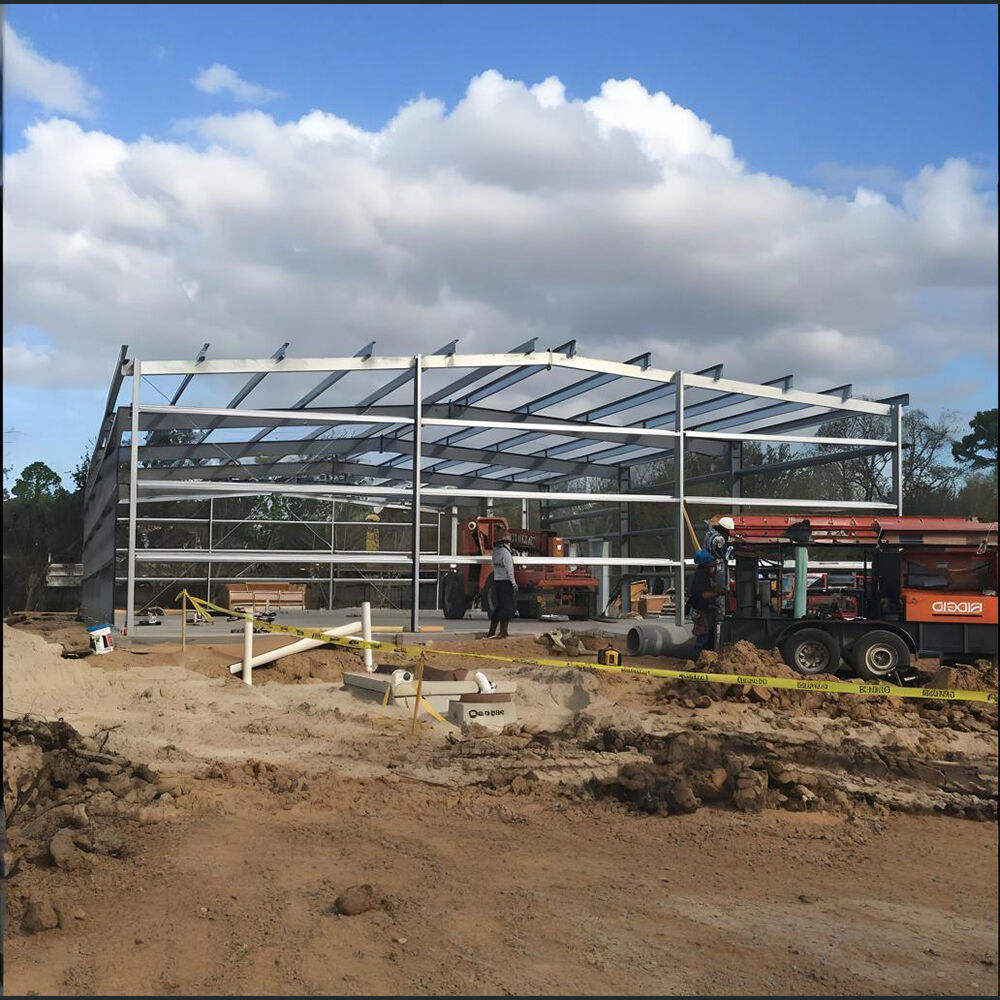
How Prefabricated Steel Buildings Differ from Traditional Construction Methods
Steel structures built offsite can really speed things up since about 70 to 90 percent of the work happens inside factories instead of at construction sites where materials get processed on location. Weather doesn't slow down these projects because components come ready to go with all the cuts, holes, and tests already done. According to Mirin Building Systems from their 2024 report, this approach cuts down waste by around 30%. Traditional construction often grinds to a halt in bad weather, but not so with prefabs. The bolt together method works great even in freezing temperatures when most other building sites just sit idle waiting for better conditions.
Key Stages: Design, Off-Site Fabrication, and On-Site Assembly
Three concurrent workflows define modern prefab projects:
- Digital Design: Advanced BIM software optimizes steel quantities within a 2% margin of error
- Factory Production: Automated CNC machines fabricate over 40 components daily per workstation
- Site Preparation: Foundation work proceeds in parallel with manufacturing, reducing overall schedules by 3-6 weeks
This integrated approach ensures precision and speed, minimizing rework and site labor.
Case Study: Warehouse Completed in 6 Weeks Using Pre-Engineered Steel Components
A recent 12,000 sq.ft warehouse exemplifies the efficiency of prefabricated steel construction:
- Days 1-14: Foundation pours conducted while components are manufactured off-site
- Days 15-35: Two crews assembled the primary frame in parallel
- Days 36-42: Cladding and MEP systems installed rapidly due to pre-integrated design
The project achieved LEED Silver certification and finished 22 weeks faster than a comparable traditional build.
The Role of Parallel Workflows in Accelerating Project Timelines
Leading manufacturers employ overlapping phases to compress delivery timelines:
| Phase | Traditional Duration | Prefabricated Duration |
|---|---|---|
| Design Approval | 8 weeks | 3 weeks |
| Material Procurement | 6 weeks | 0 weeks (pre-packaged kits) |
| On-Site Construction | 26 weeks | 9 weeks |
By aligning design, production, and site preparation, prefabricated projects eliminate sequential bottlenecks. This efficiency drives 78% of commercial developers to choose prefabricated steel for time-sensitive builds (Viking Steel 2023).
Typical Construction Timeline by Project Size
Small-Scale Projects: Garages and Storage Units (2-4 Weeks)
Prefabricated steel buildings deliver rapid deployment for small structures. A standard 1,500 sq ft garage typically requires 3-5 days for on-site assembly after foundation curing, with total completion in 14-21 days. Standardized designs reduce engineering overhead by 63% compared to custom builds, accelerating permitting and fabrication.
Medium-Scale Projects: Commercial Buildings and Workshops (4-8 Weeks)
For 10,000-20,000 sq ft spaces, prefabricated systems complete structural work four times faster than traditional steel framing. A 15,000 sq ft automotive workshop reached weather-tight status in just 18 days using pre-engineered wall and roof cassettes. Key accelerators include:
- Concurrent foundation pouring and component manufacturing
- Bolt-up connections eliminating welding delays
- Pre-integrated electrical and HVAC routing
These efficiencies reduce on-site labor needs and coordination complexity.
Large-Scale Projects: Industrial Facilities and Warehouses (8-14 Weeks)
Industrial-scale builds see the most dramatic gains. A 100,000 sq ft distribution center was erected in 12 weeks-67% faster than conventional methods. Phased deliveries of pre-insulated wall panels and mezzanine decks allowed crews to:
- Install 5,000 sq ft of roofing daily
- Assemble loading docks in parallel with interior partitions
- Conduct safety inspections during subsystem installations
Critical path analysis shows 82% of time savings occur during enclosure, where prefabricated components reduce on-site labor by 1,200-1,500 hours versus stick-built methods.
Factors That Influence Construction Speed of Prefabricated Steel Buildings
Weather Conditions and Their Impact on On-Site Assembly
While prefabricated steel components are weather-resistant, heavy rain or extreme temperatures can delay crane operations and foundation work. Projects in arid regions typically finish 10-15% faster than those in coastal climates (Engineering News-Record 2024), underscoring the importance of regional planning.
Crew Experience and Project Management Expertise
Teams certified in modular construction best practices complete projects 20% faster than inexperienced crews. Advanced BIM integration further enhances efficiency by aligning fabrication tolerances with on-site requirements, reducing misalignment and rework.
Material Delivery Schedules and Supply Chain Reliability
Just-in-time delivery of pre-punched beams and pre-welded connections prevents site congestion and workflow interruptions. According to a 2023 AISC survey, 78% of delayed prefab projects stemmed from untracked material shipments-not fabrication errors-highlighting the need for real-time logistics oversight.
Balancing Standardization vs. Customization in Prefab Steel Design
Standardized building kits shorten fabrication cycles by 12-18 days compared to fully customized designs. Architects maximize speed by limiting bespoke elements to non-load-bearing features, keeping them under 10% of the total structure without compromising aesthetics or function.
Comparing Construction Speed: Prefabricated vs. Traditional Steel Buildings
Time Savings with Prefabricated Steel Structure Building: Industry Data Overview
Industry studies show prefabricated steel buildings achieve 20-40% faster completion than traditional methods. Factory-controlled manufacturing enables precise cutting, welding, and priming before components reach the site. A 2024 analysis found warehouses using pre-engineered components required 30% fewer on-site labor days than conventionally framed steel structures.
Traditional Construction Timelines vs. Modular Steel Building Projects
While traditional steel buildings often take 6-12 months to complete, prefabricated alternatives deliver large facilities in 8-14 weeks. The gap widens during on-site execution:
- Weather Delays: Conventional projects lose 15-20 days annually to adverse conditions (Construction Industry Institute 2023)
- Labor Coordination: Modular crews erect steel frames 65% faster using pre-tested assembly sequences
These advantages make prefabrication ideal for fast-track developments.
The Trade-Off: Longer Planning Phase for Faster On-Site Execution
Building with prefabricated steel takes about 30 percent more time during the initial design phase compared to regular construction methods. But all that extra work pays dividends later on. When contractors invest properly in thorough planning processes like building information modeling (BIM) and working closely with suppliers, they end up avoiding around 87% of those frustrating last minute changes that usually happen when erecting standard steel frames. The numbers back this up too. Industry insiders have found that spending roughly 40 hours on digital prototypes can cut down costly on site corrections by nearly eighteen thousand dollars per project. So while it might seem like a drag to spend so much time upfront, most experienced builders will tell anyone willing to listen that getting things right from day one saves both money and headaches down the road.
FAQ
-
What are prefabricated steel buildings?
Prefabricated steel buildings are structures manufactured offsite in factories and then assembled on the construction site.
-
Why are prefabricated buildings faster to construct?
They are faster due to offsite fabrication, pre-integrated designs, and streamlined assembly processes that eliminate weather-related delays and reduce on-site labor.
-
How do prefabricated buildings handle custom designs?
Standardized kits speed up fabrication, but customization is limited to non-load-bearing features to ensure efficient production.
-
How does weather affect prefabricated buildings?
While components are weather-resistant, extreme conditions can impact crane operations during assembly, especially in coastal regions.
-
What is the trade-off with prefabricated steel building?
The initial planning phase takes longer but results in reduced on-site corrections and overall higher efficiency.
Table of Contents
- How Prefabricated Steel Buildings Differ from Traditional Construction Methods
- Key Stages: Design, Off-Site Fabrication, and On-Site Assembly
- Case Study: Warehouse Completed in 6 Weeks Using Pre-Engineered Steel Components
- The Role of Parallel Workflows in Accelerating Project Timelines
- Typical Construction Timeline by Project Size
- Factors That Influence Construction Speed of Prefabricated Steel Buildings
- Weather Conditions and Their Impact on On-Site Assembly
- Crew Experience and Project Management Expertise
- Material Delivery Schedules and Supply Chain Reliability
- Balancing Standardization vs. Customization in Prefab Steel Design
- Comparing Construction Speed: Prefabricated vs. Traditional Steel Buildings
- FAQ