
 EN
EN
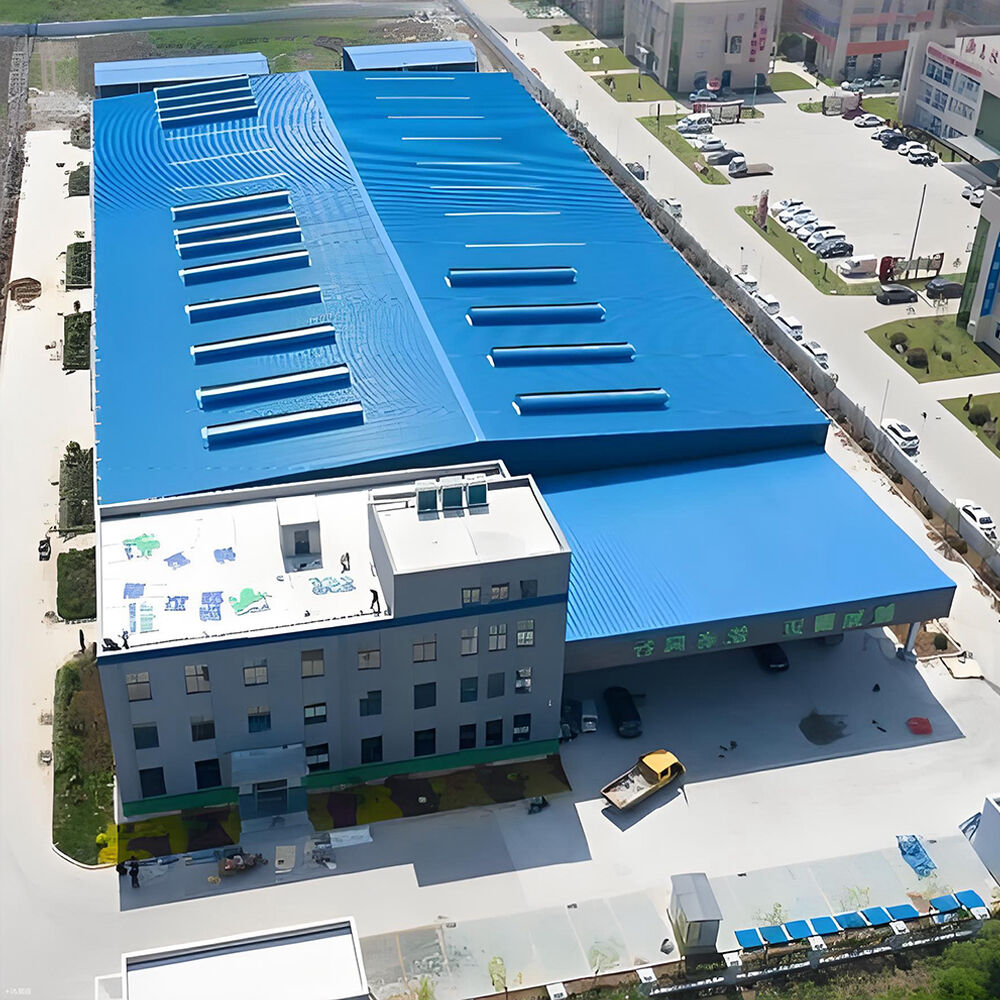
Designing Efficient Workflow for Material and Personnel Movement
Mapping Material Flow and Personnel Pathways to Minimize Congestion
Begin by analyzing travel patterns using digital tracking or spaghetti diagrams to identify collision points and inefficiencies. Facilities that map workflows upfront reduce cross-department backtracking by 22% compared to ad-hoc layouts, significantly cutting wasted movement and improving cycle times.
Zoning Strategies to Reduce Bottlenecks and Improve Throughput
Separate high-velocity material routes from personnel walkways using physical barriers or floor markings. Projects implementing this separation report a 15% reduction in loading time (LinkedIn, 2024). Unidirectional material flow systems further prevent gridlock at intersections, enhancing throughput and safety.
Integrating Lean Principles to Eliminate Non-Value-Added Movement
Apply value stream mapping to identify and remove redundant transport steps. For example, relocating welding stations just 8 meters closer to assembly areas eliminated 14 daily labor hours in one prefabrication facility-demonstrating how small spatial changes yield significant efficiency gains.
Case Study: Enhancing Efficiency in a Modular Steel Prefabricated Workshop
A steel workshop reduced beam handling time by 18% through three key interventions: co-locating cutting and drilling stations, implementing kanban-controlled buffer zones, and standardizing lift equipment charging areas. These changes streamlined workflow continuity and minimized idle time.
Leveraging Digital Simulation Tools for Predictive Workflow Modeling
Discrete event simulation tools like FlexSim identified a 27% potential improvement in crane utilization before any physical reconfiguration. Cloud-based platforms allow engineering teams to collaborate in real time on layout iterations, reducing costly trial-and-error during implementation.
Strategic Zoning: Organizing Production, Storage, and Quality Control Areas
Segregating High-Risk and High-Activity Zones for Safety and Efficiency
Studies show that clearly marked work areas can cut down on contamination problems by around 42% according to the latest Manufacturing Safety Report from 2023. When it comes to prefabrication shops, certain dangerous tasks like welding or operating big machines need special routes and actual barriers between them so workers don't accidentally get too close. Assembly line areas where lots happens all day long really help when there's good signage and proper floor markings. These practices actually mirror what we see in places with strict hygiene rules, making sense for anyone concerned about workplace safety and efficiency.
Aligning Material Handling Zones With Assembly Sequences
Workshops that sequence material handling reduce redundant lifting and transport by 27% (Lean Construction Journal, 2022). Staging areas should follow the natural progression of production: raw material intake - primary processing - sub-assembly - final QC. This "line-of-sight" layout ensures unidirectional flow, eliminating backtracking responsible for 15% of delays in modular workflows.
Dedicated Storage, Production, and QC Areas to Streamline Operations
When companies separate their storage areas for raw materials, work in progress (WIP), and finished products, they typically see a reduction of about 33% in how long it takes to find inventory items according to research from the Material Handling Institute back in 2023. Putting quality control stations right next to where things get assembled makes sense because workers can catch problems early on before anything moves further down the line. Keeping these storage areas isolated helps avoid all those tools getting scattered around production lanes which is actually a big issue. Studies looking at auto manufacturing plants found this approach cut down on traffic jams in the workspace by nearly 20%, making everything run smoother overall.
Fixed vs. Dynamic Zoning: Balancing Stability and Adaptability in Prefabricated Workshops
In factories where they make lots of the same product, fixed zoning helps maintain consistent output. But when companies need to switch gears for special orders, dynamic layouts come into play. These setups often involve things like movable walls or rolling workstations that can be rearranged quickly. According to some research published last year, manufacturers who combined both methods saw their setup times drop by around a quarter compared to those sticking with traditional arrangements. For anyone looking to stay flexible, it's wise to keep roughly one fifth to a quarter of workshop area open for these kinds of changes. Also worth noting is making sure all the machines fit together nicely so nothing gets stuck during transitions between different production runs.
Optimizing Tools and Equipment Placement Using 5S and Ergonomic Principles
Strategic tool and equipment placement reduces interruptions and enhances safety. By aligning positioning with production rhythms and human biomechanics, facilities can mitigate repetitive motions linked to 42% of manufacturing-related musculoskeletal disorders (OSHA 2023).
Ergonomic Positioning Based on Frequency of Use and Access Patterns
Organize workstations into primary (hourly use), secondary (daily use), and tertiary (weekly use) zones. Place frequently used tools like welding torches within a 20° forward reach arc (15-24 inches from torso midline) to minimize shoulder strain. Store lightweight, infrequently used items overhead to preserve accessible space.
Applying 5S Methodology to Reduce Clutter and Travel Time
Implement the 5S framework-Sort, Set in Order, Shine, Standardize, Sustain-through practical measures:
- Shadow-boarded tool walls with outlines for quick identification
- Color-coded floor markings to define workcell boundaries
- QR-coded inventory racks integrated with maintenance software
Facilities using 5S-driven layouts report 37% faster tool retrieval compared to conventional setups.
Measurable Impact: 30% Reduction in Downtime After Layout Reorganization
One modular construction workshop achieved dramatic improvements by:
- Reducing average worker travel distance from 58 ft to 19 ft per cycle
- Cutting machine idle time between operations by 53%
- Increasing tool visibility and compliance from 68% to 94%
These changes translated directly into higher output and lower operational friction.
Sustaining Gains: Overcoming the Gap Between 5S Adoption and Long-Term Adherence
Monthly "5S + Safety" audits combined with real-time digital dashboards help maintain standards. Workshops leveraging predictive layout modeling sustain 89% of initial efficiency gains, far outperforming those relying on paper checklists, which retain only 33%.
Building Scalable and Modular Layouts for Future Growth
Designing Flexible Modules to Accommodate Future Expansion
Prefabs workshops are getting a major makeover thanks to modular designs that let them adapt easily when production needs change. Most big manufacturers have started working with these standard 3 meter by 3 meter building blocks which they can simply snap together or rearrange whenever business conditions shift. The savings are pretty impressive too. A recent study from Industrial Logistics in 2024 found that companies using this system save around 35 percent on expansion costs compared to traditional fixed layout workshops. What makes all this possible? Well, there are several factors driving this trend forward, but we'll get into those details shortly.
- Plug-and-play utility conduits: Pre-installed electrical and data ports in floor and wall modules
- Stackable storage units: Vertically expandable racks that maximize vertical space
- Swappable workstation shells: Standardized interfaces for fast equipment upgrades
Adopting modular design principles allows facilities to scale capacity by 200% without structural changes, as demonstrated in a recent aerospace components retrofit.
| Layout Type | Best For | Expansion Flexibility | Space Efficiency |
|---|---|---|---|
| U-Shape | Linear assembly lines | Medium | 85% utilization |
| Island | Team-based workflows | High | 78% utilization |
| Open-Plan | Rapid reconfiguration needs | Very High | 92% utilization |
Long-Term Planning: Aligning Current Layout Decisions With Growth Strategy
Forward-thinking workshops integrate 5-10-year growth projections into their initial designs. One automotive parts supplier accelerated production ramp-ups by 22% by reserving 15% of floor space for future technology integration, such as collaborative robots or AI-guided material handling systems.
By combining modular construction with predictive capacity modeling, manufacturers reduce layout redesign costs by up to 60% over a decade while maintaining 98% operational continuity during expansions.
FAQ
What are digital tracking and spaghetti diagrams used for in workflow design?
Digital tracking and spaghetti diagrams are tools used to analyze travel patterns, identify collision points, and reveal inefficiencies in movement within a facility.
How does implementing zoning strategies contribute to productivity?
Zoning strategies, such as separating material routes from personnel walkways, reduce bottlenecks and improve throughput, leading to a reduction in loading times.
What is the significance of using Lean principles in workflow optimization?
Lean principles, such as value stream mapping, are used to identify and remove unnecessary transport steps, thereby reducing labor hours and enhancing efficiency.
How can modular designs contribute to future expansion in workshops?
Modular designs allow facilities to adapt and expand easily, saving on expansion costs and enabling rapid integration of new technologies.
What are the benefits of ergonomic tool placement?
Ergonomic tool placement reduces interruptions, enhances safety, mitigates repetitive strain, and aligns with human biomechanics.
Table of Contents
-
Designing Efficient Workflow for Material and Personnel Movement
- Mapping Material Flow and Personnel Pathways to Minimize Congestion
- Zoning Strategies to Reduce Bottlenecks and Improve Throughput
- Integrating Lean Principles to Eliminate Non-Value-Added Movement
- Case Study: Enhancing Efficiency in a Modular Steel Prefabricated Workshop
- Leveraging Digital Simulation Tools for Predictive Workflow Modeling
- Strategic Zoning: Organizing Production, Storage, and Quality Control Areas
- Optimizing Tools and Equipment Placement Using 5S and Ergonomic Principles
- Building Scalable and Modular Layouts for Future Growth
- Long-Term Planning: Aligning Current Layout Decisions With Growth Strategy
-
FAQ
- What are digital tracking and spaghetti diagrams used for in workflow design?
- How does implementing zoning strategies contribute to productivity?
- What is the significance of using Lean principles in workflow optimization?
- How can modular designs contribute to future expansion in workshops?
- What are the benefits of ergonomic tool placement?