
 EN
EN
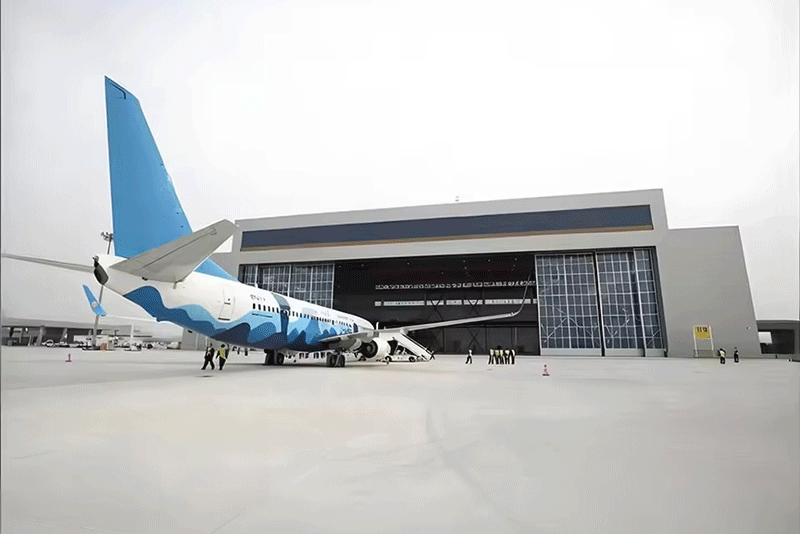
Match Aircraft Hangar Door Types to Operational and Spatial Constraints
Comparing Core Architectures: Bifold, Sliding, Hydraulic Vertical-Lift, and Fabric Systems
There are four main types of aircraft hangar door systems, each designed for different operational needs and space constraints. Bifold doors have those hinged panels that fold up rather than out, which means they take up about 15 to 20 percent less horizontal space compared to their sliding counterparts. This makes them particularly useful when dealing with tight spaces like city airports or mountain bases where every inch counts. Sliding doors work by moving along tracks horizontally, so they tend to be cheaper upfront but need extra room on either side to store the panels when open. That can become a problem at busy airports where apron space is already limited. The hydraulic vertical lift system stands out because it lifts straight up with just one panel, creating better weather seals against harsh conditions. According to FAA guidelines (Advisory Circular 150/5370-10F), these systems also cut down on maintenance costs by around 30% over time compared to older cable driven models. Fabric doors represent another approach altogether, using stretched fabric material held in place by vertical guides. These eliminate the heavy cantilever load issues seen in other designs and perform exceptionally well in coastal areas prone to strong winds, something traditional rigid doors struggle with due to potential structural wear over time.
Different types of doors come with their own space requirements. Bi-fold doors need plenty of overhead room since they open all the way up to their full height. Then there are hydraulic systems which push heavy weights (sometimes as much as 5,000 pounds on each cylinder) straight down onto the floor anchors. That means extra strong concrete foundations are necessary for these installations. Sliding doors present another challenge altogether because they need clear space along the sides where they move back and forth. The good news is fabric systems don't take up any extra space above or beside the actual doorway opening. They fit right inside the existing frame without needing additional clearance anywhere else.
| Door Type | Space Impact | Best For |
|---|---|---|
| Bi-fold | High headroom required | Limited lateral space |
| Sliding | Side stacking area needed | Budget-conscious projects with ample apron width |
| Hydraulic Lift | Minimal lateral footprint; high foundation load demand | Extreme climates and heavy-equipment MRO operations |
| Fabric | Zero cantilever clearance; low structural load transfer | Coastal/windy sites and heritage or low-headroom retrofits |
End-Wall vs. Side-Wall Placement: Space Requirements and Site Limitations
Where something gets installed really affects how well it works and fits into the overall site plan. Putting things on end walls gives straight access to planes which is great, but there's a catch. The area needed for approach has to be at least 1.5 times the wing span. That becomes a big deal when dealing with larger jets, especially around taxiways or close to airport fencing. On the other hand, side wall setups save space at the front of the apron area, though they take up 25 to 40 percent more room sideways to handle doors opening, where ground crews park their gear, and making sure everyone can move safely around the plane. What works best depends a lot on the land itself and existing structures nearby. Steep hills or buildings next door usually mean going with side wall arrangements. But if an airport has plenty of open space right in front, then end wall placements make sense because they line up better with normal taxi routes.
Structural Compatibility: Headroom, Load Transfer, and Retrofit Feasibility for Existing Aircraft Hangar Structures
When adding new doors to old hangar buildings, it's really important to check the structure first. The vertical lift door systems put a lot of pressure on specific spots, which can be too much for older wood or brick walls without extra support. That usually means installing steel frames or strengthening anchors inside the walls. Hangars where the ceiling is less than 18 feet high generally can't use folding or hydraulic doors because there just isn't enough space. So sliding doors or fabric systems tend to be the best bet. Fabric doors are particularly good for historic buildings or those with special architectural features. They weigh less so they don't require as much structural work compared to solid doors. Studies show these fabric systems cut down on reinforcement costs by somewhere between 40% and 60%. Plus, they still meet FAA requirements for wind resistance, holding up against gusts up to 150 mph according to ASTM E1233 tests. This makes fabric doors a smart choice when building codes or preservation rules limit what kind of changes can be made.
Prioritize Safety, Sealing, and Environmental Control for Aircraft Hangar Performance
Weather Tightness and Thermal Efficiency in Extreme Climates
Hangar doors for aircraft aren't just big gates they need to work as part of the whole building envelope system. When temps drop below freezing or soar in desert conditions, poor sealing leads to ice buildup on planes sitting inside plus makes heating and cooling systems work harder, sometimes by as much as 30% according to recent DOE studies. Good quality compression seals combined with frames that break heat transfer and those thick insulated panels stop moisture getting in which is what causes most problems with plane bodies and onboard electronics. And let's not forget about thermal bridging either uninsulated aluminum frames alone can push energy usage up around 15% based on research from ASHRAE. For extreme weather protection, continuous seals all around the door frame plus anchoring rated for hurricanes keeps everything intact even when winds hit over 130 miles per hour, protecting delicate electronic systems from failing due to excess humidity.
Critical Safety Features: Emergency Egress, Pest Exclusion, and Fail-Safe Actuation
There are three essential safety functions that simply cannot be ignored. First, emergency exits need proper mechanisms like those code compliant push bars that let people get out fast when there's smoke or fire around. Second, good compression seals stop pests from getting into the wiring bundles which can cost upwards of $40k each time they chew through stuff according to FAA data from last year. And third, systems should have fail safe operations so they still work even if the power goes out thanks to either manual override options or those UL listed batteries we all know about. Every facility needs to follow NFPA 415 standards and run those quarterly stress tests on everything. Looking at what actually happens in the field, hangars without these basic protections face roughly 70% more unexpected shutdowns, especially bad during winter storms or when the local power grid acts up. Using fire rated materials plus having backup power sources really helps prevent those chain reaction problems that happen right when maintenance crews are already stretched thin.
Align Door Selection with Aircraft Hangar Use Case and Traffic Profile
MRO, FBO, and Multi-Jet Hangars: Clear Opening Dimensions, Cycle Frequency, and Security Demands
The amount of activity at an airport and what kinds of planes come through really affect how doors need to perform. Maintenance hangars need big clear spaces above ground level, often going past 45 feet tall, so mechanics can get their equipment in there without problems. These places have to handle all sorts of gear like scaffolding setups, those huge engine stands, and even the long tails on widebody jets. For Fixed Base Operators running their own hangars, doors tend to go up and down quite a bit throughout the day maybe around 15 to 20 times when dealing with general aviation traffic coming in and out. That kind of constant movement means they need solid track systems that won't fail, bearings that don't create too much friction, and hardware that stands up against rust and corrosion from weather exposure. Hangars that service multiple jets at once want door spans stretching beyond 250 feet straight across so several planes can move in and out simultaneously. Security is also a major concern these days, which is why many install biometric locks for access control and set up motion sensors that turn lights on automatically when someone approaches, helping keep expensive aircraft safe from theft or damage.
High frequency FBO operations really need those multi panel horizontal sliding doors for their dependability and fast door movement. Maintenance repair organizations get the most out of hydraulic vertical lift systems because they can handle all sorts of heavy equipment installations such as overhead cranes and fueling systems. Thermal efficiency isn't usually top priority here compared to how tough the doors are mechanically. But getting good seals matters a lot when doors are open for maintenance work since dust, sand, and rainwater need to stay outside. This helps cut down on having to redo contaminated work and makes parts last longer overall in these harsh environments.
Evaluate Total Cost of Ownership for Long-Term Aircraft Hangar Efficiency
When figuring out the Total Cost of Ownership (TCO) for aircraft hangar doors, most people forget to consider much more than what's on the price tag. The real story lies in energy usage, how often things need fixing, how long they last, and whether they hold up during tough weather conditions. According to data from the US Department of Energy about commercial buildings, energy bills alone make up around three quarters of all costs over time. Installing better motors, smart control systems, and insulation panels with good R-values can slash electricity consumption anywhere between 30 to 50 percent. Then there's maintenance which usually eats away 20 to 40 percent of costs over ten years. And when systems aren't properly designed or installed, companies face massive losses too. Some studies show bad installations can cost businesses nearly half a million dollars extra each year just because operations get disrupted.
A rigorous lifecycle comparison reveals meaningful trade-offs:
| Cost Factor | Economy Option | Premium Option |
|---|---|---|
| Initial Purchase | Lower | Higher |
| Energy Consumption | 45–55 kWh/day | 20–30 kWh/day |
| Annual Maintenance | $12,000–$18,000 | $4,000–$7,000 |
| Service Life | 7–10 years | 20+ years |
| Operational Waste | 8–12% | 1–3% |
Aircraft operators should really consider investing in doors equipped with automated diagnostics and remote monitoring capabilities. These features can catch problems early on before they actually cause planes to sit on the ground, which saves tons of money since each hour of downtime costs around $5,000 or more. The return on investment for these premium systems tends to be pretty good too. Although the initial price tag is higher, most facilities find that the extra cost gets covered within about three to five years thanks to lower energy bills, less need for manual inspections, and longer periods between maintenance checks. When looking at whether these systems make sense financially, it's important to run the numbers through total cost of ownership calculators that take into account local weather conditions, how busy the airport typically is, and current electricity prices. This approach gives a much better picture of actual costs versus what manufacturers claim in their spec sheets.
Frequently Asked Questions
What are the main types of aircraft hangar doors?
The main types of aircraft hangar doors are bifold, sliding, hydraulic vertical-lift, and fabric systems. Each type is suited to different operational and spatial constraints.
How do bifold doors differ from sliding doors?
Bifold doors hinge and fold up, requiring less horizontal space than sliding doors, which move horizontally along tracks and need side room for panel storage when open.
What factors should be considered when selecting door placement?
Door placement should consider space availability, operational needs, and nearby structures. End-wall placements offer direct access but need larger clearance, while side-wall placements save apron space but require more width.
How does door type affect energy efficiency?
Doors with good weather seals and insulation improve energy efficiency by reducing heating and cooling costs. Uninsulated frames can increase energy usage significantly.
What is the Total Cost of Ownership for hangar doors?
Total Cost of Ownership includes initial purchase price, energy consumption, maintenance, service life, and operational impact. Energy efficiency and durability can reduce long-term costs.
Table of Contents
- Match Aircraft Hangar Door Types to Operational and Spatial Constraints
- Prioritize Safety, Sealing, and Environmental Control for Aircraft Hangar Performance
- Align Door Selection with Aircraft Hangar Use Case and Traffic Profile
- Evaluate Total Cost of Ownership for Long-Term Aircraft Hangar Efficiency
- Frequently Asked Questions