
 EN
EN
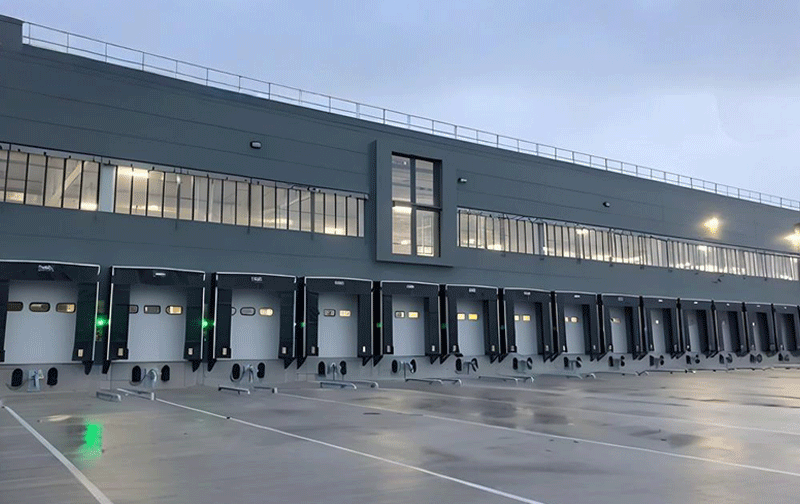
Виготовлення сталевих ферм поза місцем будівництва для швидкого монтажу на об’єкті
Точні за проектом, попередньо нарізані та попередньо просвердлені ферми скорочують час монтажу на місці на 50–70%
Будівлі зі стальних ферм значно швидше завершуються за умов використання методів попереднього виготовлення. Елементи, виготовлені на заводах, надходять у готовому до монтажу вигляді: всі розрізи та отвори вже виконані, а також проведена перевірка якості. Це практично повністю усуває дратівливі помилки вимірювань і необхідність повторного виконання робіт, що часто трапляється під час традиційного будівництва. Великі компанії галузі повідомляють, що їхні працівники витрачають приблизно вдвічі–утричі менше часу на збирання конструкцій на місці порівняно з тим, що було раніше, коли все будувалося безпосередньо на будмайданчику. Сам процес збирання зводиться до того, щоб «з’єднати» пронумеровані елементи, наче складаючи величезну головоломку для будівельних конструкцій. Погодні умови більше не стають серйозною проблемою, а також зменшується потреба в спеціалістах із вузькими навичками, оскільки зварювання потрібне значно рідше. Підрядники, які переходять на цю систему, зазвичай завершують проекти на чотири–шість тижнів раніше, ніж раніше, що іноді означає введення будівель у експлуатацію на кілька місяців раніше запланованого терміну.
Легкі стальні фермові елементи дозволяють монтаж у той самий день і ефективне використання крана під час монтажу
Сталеві ферми, виготовлені на заводах, значно легші за традиційні матеріали, такі як бетон або важке дерево, і мають вагу приблизно на 30–50 % меншу на погонний фут. Це робить їх набагато простішими у монтажі під час будівництва. Будівельні бригади можуть встановлювати цілі секції фермових прольотів всього за кілька годин замість днів, як це було раніше. На деяких будмайданчиках навіть вдалося завершити роботи з каркасного будівництва протягом одного дня саме завдяки цим легким компонентам. Оскільки вони набагато легші, для їх монтажу можна використовувати менші крани, що дозволяє зекономити від 15 000 до 40 000 доларів США на оренді техніки — згідно з даними різних галузевих звітів. Ще одне велике перевага — відкрита решітчаста конструкція таких ферм. Команди з механічних, електричних та сантехнічних робіт більше не змушені чекати черги: вони можуть прокладати повітропроводи та кабелі безпосередньо крізь систему ферм, поки покрівельники ще працюють над ними. Це усуває ті неприємні затримки, коли різні спеціалісти змушені по черзі використовувати одне й те саме робоче простір. Крім того, на будмайданчику значно менше матеріалів лежить у очікуванні використання — іноді потреба у складських приміщеннях скорочується майже на дві третини порівняно з традиційними методами.
Виконувати критичні дії на критичному шляху паралельно, щоб скоротити загальний графік
Паралельне виконання робіт з фундаменту, виготовлення ферм поза майданчиком та планування огородження дозволяє заощадити 4–6 тижнів
Під час роботи з будівлями зі стальних ферм виконання важливих завдань одночасно, а не послідовно, дійсно значно скорочує ті неприємні затримки. Ми встановили, що початок будівництва фундаменту безпосередньо на місці, поки ферми виготовляються в контролюваному цеховому середовищі, дозволяє скоротити загальний термін реалізації проекту приблизно на 4–6 тижнів. Подумайте про це так: ніхто не хоче, щоб робітники просто стояли й чекали, поки щось інше станеться. Раннє узгодження планів огородження (оболонки) значно спрощує подальшу роботу, оскільки всі невеликі питання, пов’язані з проектуванням, можна вирішити ще до того, як вони перетворяться на великі проблеми під час будівництва. Згідно з досвідом різних керівників будівництва в галузі, такі стратегії паралельного виконання робіт дійсно скорочують критичний шлях приблизно на 20–30 %. Команди перестають марнувати час, очікуючи завершення одного етапу перед початком наступного. Яскравим прикладом є ситуація, коли бригади заливають бетонні фундаменти одночасно з тим, як зварювальники збирають ферми. Це забезпечує набагато більш плавний робочий процес без будь-яких компромісів щодо кінцевої міцності конструкції. І, звичайно, не слід забувати й про сучасні цифрові інструменти координації — вони допомагають підтримувати безперебійне функціонування всіх процесів протягом усього життєвого циклу проекту, що в кінцевому підсумку означає менше головного болю та нижчі витрати для всіх учасників.
Ефективне використання робочої сили: спрощені з’єднання зменшують кількість годин роботи кваліфікованих працівників на одну секцію ферми приблизно на 40 %
Щодо збирання сталевих ферм, оптимізовані з’єднання мають вирішальне значення. Мова йде про передбачені отвори для кріплення та стандартні вузли, що скорочують обсяг робіт, які повинні виконувати кваліфіковані працівники. На місці монтаж проходить значно швидше, оскільки менше часу витрачається на підгонку елементів і їх точне вирівнювання. За даними деяких досліджень, це дозволяє зекономити близько 40 % часу, необхідного для монтажу кожної секції ферми. Результат? Менші бригади можуть виконувати більший обсяг робіт, не порушуючи стандартів безпеки. Оскільки готові до збирання компоненти надходять у вигляді префабрикованих виробів, підрядники витрачають набагато менше часу на коригування на будмайданчику. Такі покращення не лише знижують витрати на робочу силу, а й скорочують тривалі терміни монтажу, які всім так неприємні. Проєкти стають значно простішими у керуванні, особливо коли доводиться виконувати неможливі строки, що, здається, виникають всюди в наш час.
Усуньте затримки, пов’язані з погодою, за допомогою монтажу сталевих ферм у будь-яку погоду
Погода завжди є невизначеним фактором під час планування будівельних проектів, але системи сталевих ферм практично повністю уникують більшості цих проблем. Дерево схильне до деформації, а бетону потрібен час для правильного твердіння, тому робітникам часто доводиться чекати сприятливих погодних умов. Сталеві ферми ж відрізняються тим, що їх можна монтувати навіть під час сильного дощу або снігопаду. Оскільки сталь не вбирає воду, як органічні матеріали, немає ризику набухання або ослаблення конструкцій з часом. У регіонах із різкими коливаннями клімату така надійність має вирішальне значення. Підрядники можуть постійно рухатися вперед, не перевіряючи прогноз погоди, що при традиційних методах будівництва призводило б до повної зупинки робіт під час поганих погодних умов.
Доведення стійкості до погодних умов
- Непроникні для вологи сталь не деформується, не тріскається та не руйнується, як дерево, забезпечуючи стабільність розмірів
- Відсутні обмеження щодо затвердіння негайна здатність сприймати навантаження після монтажу
- Стійкий до корозії оцинковане покриття захищає від іржавіння навіть у прибережних зонах або зонах з високою вологістю
Усунення погоди як змінної дозволяє уникнути коштовних простоїв — прискорюючи введення об’єкта в експлуатацію до 30 % порівняно з альтернативами, чутливими до вологості.
Прискорення формування конструктивного огородження за допомогою сталевих ферм великого прольоту та відкритої решітки
Сталеві ферми великого прольоту та з відкритою решіткою скорочують терміни формування конструктивного огородження шляхом усунення внутрішніх перешкод і спрощення інтеграції інженерних систем. Ці підходи використовують трикутний розподіл навантажень для максимізації корисного простору та мінімізації складності монтажу.
Більші вільні прольоти усувають внутрішні колони — скорочуючи терміни монтажу каркаса та покрівлі приблизно на 30 %
Оскільки ці ферми охоплюють відстань 40–60 футів без проміжних опор, стовпоподібні фундаменти та з’єднання виключаються з критичного шляху. Бригади монтують безперервні покрівельні системи на 30 % швидше, оскільки їм не доводиться обходити вертикальні перешкоди. Неперервний робочий процес прискорює герметизацію — ключову «вузьку» ланку в термінах облицювання будівлі.
Конфігурація з відкритою решіткою спрощує інтеграцію ІВП (інженерних мереж: механічних, електричних та сантехнічних), скорочуючи затримки у координації до 25 %
Відкриті решітки створюють спеціалізовані маршрути для ІВП-систем (механічних, електричних та сантехнічних) усередині конструкції ферм. Це дозволяє одночасно монтувати повітропроводи, кабельні канали та трубопроводи під час каркасних робіт — зменшуючи необхідність переделок та конфлікти між різними спеціалізаціями. За даними проектів, кількість затримок у координації зменшилася на 25 %, оскільки механічні бригади уникли колізій з несучими елементами.
ЧаП
Що таке збірні сталеві ферми?
Збірні стальні ферми — це точні конструкційні елементи, які виготовляються з попередньо розкроєної та попередньо просвердленої сталі на заводі в контрольованому виробничому середовищі. Вони спрощують і прискорюють процес монтажу будівель на місці.
Які переваги збірних стальних ферм для будівельних проектів?
Вони значно скорочують час монтажу на місці, зменшують витрати на робочу силу та допомагають уникнути затримок, пов’язаних із погодними умовами, забезпечуючи швидше завершення проекту.
Чи можуть збірні стальні ферми витримувати несприятливі погодні умови?
Так, стальні ферми не піддаються впливу вологи, не потребують затвердіння та є стійкими до корозії завдяки оцинкованому покриттю, що робить їх придатними для експлуатації в несприятливих погодних умовах.
Як збірні ферми впливають на графік робіт та розподіл робочої сили?
Вони дозволяють виконувати критичні види робіт паралельно та скорочують кількість годин кваліфікованої праці, необхідних на одну секцію ферми, приблизно на 40 %, оптимізуючи таким чином терміни реалізації проекту та використання трудових ресурсів.
Зміст
- Виготовлення сталевих ферм поза місцем будівництва для швидкого монтажу на об’єкті
- Виконувати критичні дії на критичному шляху паралельно, щоб скоротити загальний графік
- Усуньте затримки, пов’язані з погодою, за допомогою монтажу сталевих ферм у будь-яку погоду
- Прискорення формування конструктивного огородження за допомогою сталевих ферм великого прольоту та відкритої решітки
- ЧаП